| # | Product | Our Rating | ||
|---|---|---|---|---|
| 1 |  | Best OverallREDMOND Goat Mineral Supplement (5 lb) | ★★★★★ | Check Price |
| 2 |  | Wholesome Harvest 16% Goat Feed (10 lb) | ★★★★☆ | Check Price |
| 3 |  | Manna Pro Goat Treats | ★★★★☆ | Check Price |
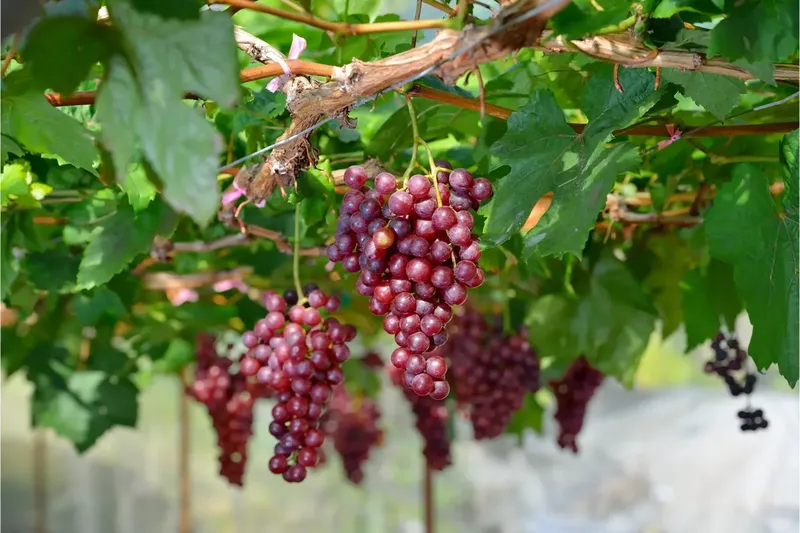
Grapes grow in tight clusters on climbing vines and pack a lot of natural sugar into a small package. For goats they work as a reward, never as part of the daily ration.
Plenty of owners hesitate at that first handful because of the dog warning. That warning does not carry over to livestock, and the reason is how each animal digests.
Can goats eat grapes?
Goats can eat fresh grapes of any color, and no part of the fruit is off limits. Skin, flesh, seeds, and stem all pass through a goat without trouble.
The ASPCA lists grapes as a risk for dogs, cats, and horses only, and goats never appear on that entry.
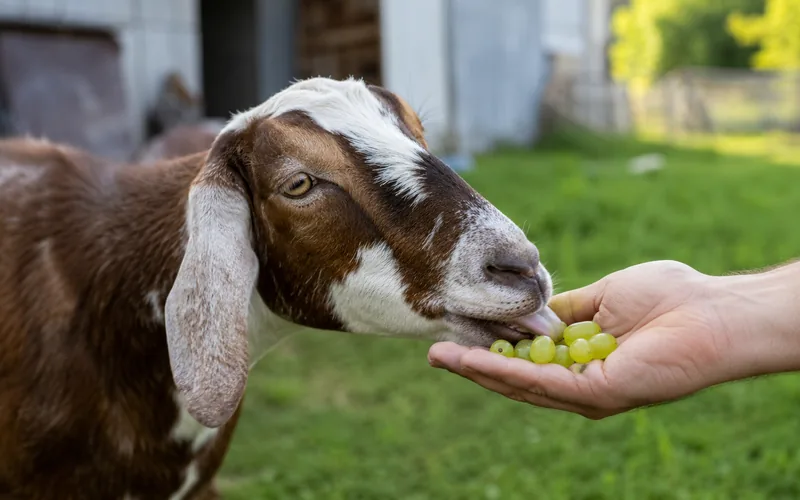
Grapes also suit how goats eat. A goat is a browser, picking soft leaves, fruit, and tender shoots over plain grass.
Allergies to grapes are almost unheard of in a herd. Even so, watch any new animal the first time you offer fruit.
Despite the name, Oregon grape is a different shrub, not a true grape.
Why grapes hurt dogs but not goats
A goat’s rumen breaks the fruit down before much of it reaches the bloodstream. A dog has no rumen, so the same grape behaves completely differently.
Grapes cause sudden kidney failure in dogs, and that danger is real. VCA Animal Hospitals notes there is no established toxic dose, so a few grapes can poison one dog while another shows no signs at all.
Here’s the difference: a goat is a ruminant with a four-part stomach, and a dog is not.
A dog’s stomach does none of that work. Whatever sits inside a grape reaches a dog’s kidneys largely intact, which is why one fruit affects two animals so differently.
What’s inside a grape
Grapes are mostly water and sugar, with a useful set of vitamins. Vitamin C, vitamin K, and potassium all turn up in a normal serving.
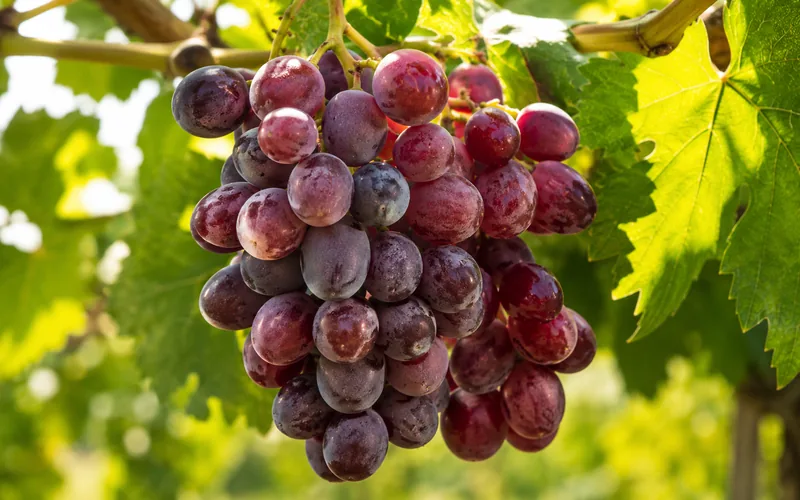
Healthline puts one cup of red or green grapes at about 27 grams of carbohydrate, nearly all of it sugar. Sugar at that level is the whole reason servings stay small.
The skin carries resveratrol and other antioxidants, the compounds behind a red grape’s color. They are a small bonus, not a reason to feed more.
So what does that mean day to day? Grapes bring almost no fiber next to hay, so they can never stand in for forage.
Can goats eat grapes with seeds?
Seeds are fine. Grape seeds hold no cyanide and no persin, the two compounds that make certain other fruit pits dangerous.
Seedless or seeded makes no difference to a goat.
How many grapes can a goat eat?
A full-sized adult goat can have 5 to 10 grapes, two or three times a week. Smaller breeds need proportionally less.
Portion depends on body size, and a Nigerian Dwarf weighs a fraction of what a Boer does.
| Goat type | Rough weight | Grapes per serving | How often |
|---|---|---|---|
| Nigerian Dwarf or Pygmy | 50 to 75 lb | 3 to 4 | 2 to 3 times a week |
| Anglo Nubian, Alpine, other dairy breeds | 120 to 160 lb | 5 to 8 | 2 to 3 times a week |
| Boer or other large meat breeds | 200 to 300 lb | 8 to 12 | 2 to 3 times a week |
| Kids under 3 months | any | none | not yet |
Those counts sit inside a wider feeding rule. PetMD puts a goat’s daily dry matter intake at 1 to 3 percent of body weight.
Treats of every kind should stay under 10 percent of that total.
But there’s a catch. Too much sugar at once feeds the wrong microbes in the rumen, and the result can be bloat or acidosis.
Both turn serious quickly. Five grapes three times a week is fine; 40 in one afternoon is not.
Signs a goat has had too many grapes
Too much sugar usually shows within a day or two, in four ways:
- Loose stool
- A swollen left flank, which points to gas
- Loss of interest in hay
- A goat that stops chewing its cud
A swollen flank is the serious one, since gas in the rumen can turn into bloat within hours. True allergies stay rare, so sugar is nearly always the real cause.
Pull all treats for several days if you see any of these. Plain grass hay and fresh water let the rumen reset on its own.
Can goats eat raisins?
Raisins are safe, though they are concentrated. Drying pulls the water out and leaves the sugar behind, so a raisin is far sweeter by weight than a fresh grape.
The short version: cut the count. Two or three raisins stand in for a full serving of grapes.
Skip yogurt-coated and chocolate-covered kinds. The added sugar and dairy do a goat no favors, and chocolate is a real hazard.
Can goats eat grape leaves and vines?
Grape leaves and vines are edible, and a herd will strip a grapevine bare given the chance. The leaves carry tannins, which cause no harm in normal amounts.
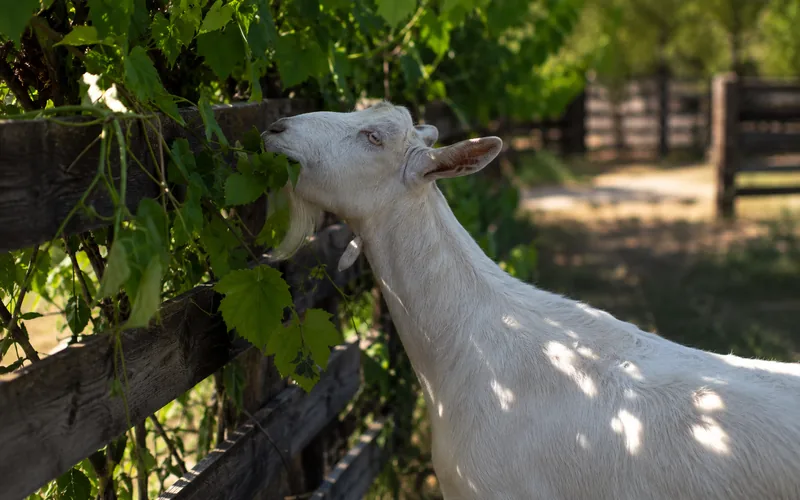
One thing to watch, though. Grapevines get sprayed more often than most plants.
Vineyard rows and backyard vines both get fungicide and pesticide treatments. Those residues are the real risk, not the leaf.
Only let goats browse vines you know are unsprayed. Goats strip bark from older vines too, so fence off any grapevine you want to keep.
How grapes compare to other fruit treats
The servings below assume a full-sized adult goat.
| Fruit | Serving for an adult goat | Prep needed |
|---|---|---|
| Grapes | 5 to 10 | rinse only |
| Blueberries | 10 to 15 | rinse only |
| Strawberries | 4 to 6 | pull off the green tops |
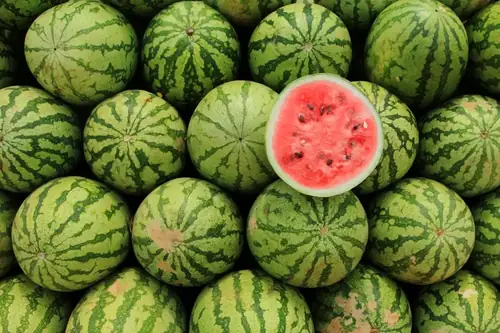
| Watermelon | 2 to 3 cubes | rind and seeds are both fine |
| Banana | half a banana | peel is edible, slice it up |
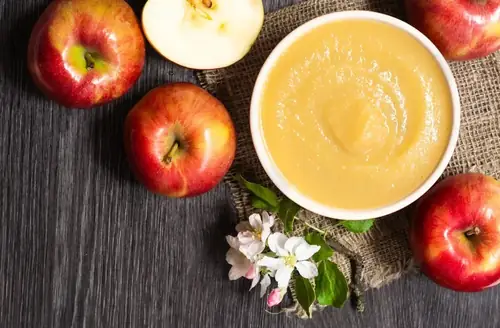
| Apple | 2 to 3 slices | cut the core and seeds out |
Grapes and blueberries need the least prep. Apples take the most, since the seeds carry cyanide.
Rotating grapes with other safe fruits spreads out the sugar and keeps the herd interested.
Which fruits goats should never eat
Avocado, the pits of stone fruit, and anything moldy are the three to rule out.
Avocado is the one to rule out completely. It contains persin, which damages heart muscle in goats, and the skin and pit hold the most.
Stone fruit pits are the next problem. Cherry, peach, apricot, and plum pits release cyanide when crushed between a goat’s molars.
Moldy fruit is off the list too. Mold toxins damage a goat’s liver, and grapes forgotten in the barn count here.
How to serve grapes safely
Rinse grapes under running water. Store-bought bunches carry pesticide residue, and a short wash removes most.
Watch for an allergic reaction the first time you feed any new fruit. Swelling around the mouth is the sign, though it is rare with grapes.
The same sugar limit applies to blueberries as a treat and to most other fruit. Fresh apples are another safe pick at similar portions.
Grape juice is different, since liquid sugar hits the rumen faster than whole fruit does.
Kids, does, and dairy breeds
Kids under three months should skip grapes. Their rumen is still developing, and milk plus starter feed covers what they need.
Pregnant does are the second exception. Cut treats back in late pregnancy, when extra sugar raises the risk of pregnancy toxemia.
Dairy breeds need the tightest limits of all. An Anglo Nubian in milk already burns through energy, and piling sugar on top can unsettle rumen balance and milk output.
Grapes will not taint milk flavor the way onions or strong weeds can. Your dairy products stay clean either way.
Final thoughts
Grapes are one of the lowest-risk treats you can offer a goat, and seeds, skin, and stem all pass through without incident.
The dog warning never transfers, because a rumen handles sugar differently. Keep servings to a small handful, spaced a few days apart.
Frequently Asked Questions
Avocado is the main one, because it contains persin. The pits of cherries, peaches, plums, and apricots are also unsafe, since those seeds release cyanide when a goat chews them. Moldy or rotting fruit is off the list too, because of the mold toxins it carries. Grapes have none of these problems, which is why they sit among the safest fruits you can offer.
It varies by animal, but most goats prefer sweet fruit. Grapes rank near the top alongside apples, bananas, watermelon, and berries. Grapes need no cutting for a full-sized goat, which makes them an easy reward during hoof trimming or halter training. Remove seeds and pits from other fruit first, since some are toxic to goats.
Skip avocado, chocolate, onions, and anything moldy. Dog and cat food are also out, because the animal protein and copper levels are wrong for a ruminant. Lawn clippings ferment fast and can cause bloat, so keep those away too. Large amounts of grain or sugary treats belong on the same list, since both upset the rumen.
Yes, and nothing about cold weather changes the portion. Goats burn more energy staying warm in winter, but that extra need is met with more hay, not more sugar. Let frozen or refrigerated grapes warm up a little before feeding. Grapes stored past their prime can grow mold, so check each bunch before it goes out to the herd.