| # | Product | Our Rating | ||
|---|---|---|---|---|
| 1 | 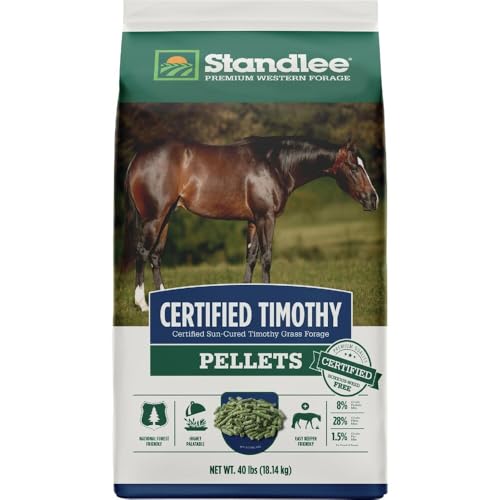 | Best OverallStandlee Premium Timothy Grass Pellets | ★★★★☆ | Check Price |
| 2 | 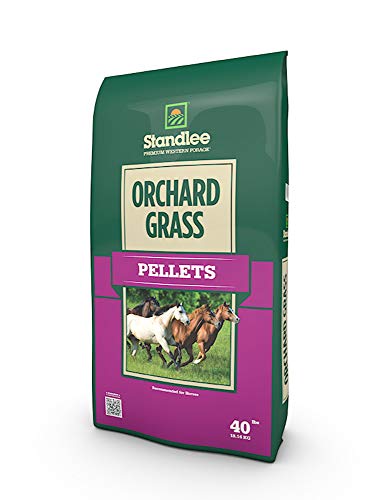 | Standlee Premium Orchard Grass Pellets | ★★★★☆ | Check Price |
| 3 |  | Standlee Organic Alfalfa Pellets | ★★★★★ | Check Price |
You’re standing at the feed store looking at a wall of hay, and most of it looks about the same. The type you pick, though, makes a real difference to your goats.
Goats eat several kinds of hay, and the right one depends on the animal’s age, sex, and what you are asking its body to do. Alfalfa, Timothy, orchard grass, and brome each have their place, and the wrong choice can mean anything from wasted money to a sick animal.
This guide breaks down each type of hay, when to use it, how to tell good hay from bad, and the mistakes that trip up new owners. Get the foundation right and the rest of feeding gets a whole lot easier.
Hay also sidesteps the label problem that comes with bagged concentrates, where feeds mixed for cattle can contain additives that are dangerous to goats.
What kind of hay do goats eat?
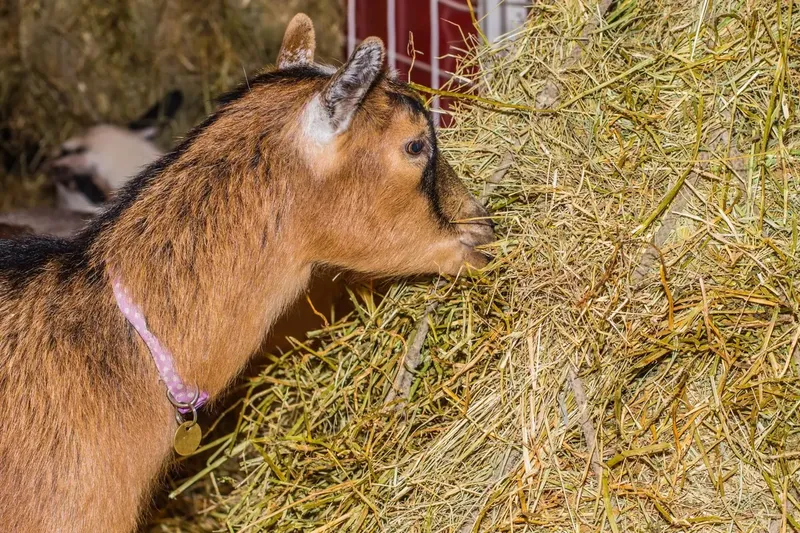
Alfalfa is the gold standard for lactating does and growing kids because of its high protein and calcium content. It gives milking does the energy they need to keep production up and helps kids build strong bones during their fastest growth period.
Timothy hay works well for bucks and wethers who don’t need the extra protein and calories. Goats are strict herbivores that should never be fed meat, so hay is the foundation of their diet.
It’s a solid maintenance hay that keeps the rumen working without packing on excess weight. That makes it a good everyday choice for easy keepers like pygmy goats.
The different types of hay and when to use them
Orchard grass is a great all-around option that most goats find palatable. It has a good balance of protein and fiber, and it’s softer than Timothy, which means less waste from picky eaters.
Bermuda grass hay is common in southern states and works fine as a base forage, though it’s lower in protein than the other options. Southern lawn grasses that creep into a pasture are weaker still, and centipede grass carries so little protein that goats need hay alongside it year round. Avoid fescue hay for pregnant does because endophyte-infected fescue can cause serious problems during late pregnancy, including retained placentas and poor milk production.
Feeding goats the wrong hay can also cause bloat that requires emergency treatment.
First cutting vs. Second cutting
First cutting hay is stemmier and higher in fiber but lower in protein. It’s fine for maintenance animals that just need something to chew on and keep their rumen healthy.
Second cutting is leafier, softer, and packed with more nutrition. It costs more per bale, but it’s worth the investment for does in milk and growing kids who need the extra protein and energy.
How to spot bad hay
Always smell hay before you buy it. Good hay smells sweet and grassy, while moldy hay has a sour, musty, or ammonia-like odor that you can’t miss.
Check the color too. Bright green hay is fresh and nutritious, while pale yellow or brown bales have either been rained on or stored too long.
Golden, hollow stems usually mean straw rather than hay, and straw is bedding with almost no feed value.
Goats are browsers, not grazers, which is why they seem to eat everything even though they’re actually quite selective. Moldy hay can cause respiratory infections and digestive problems that lead to expensive vet visits.
How much hay does a goat need?
A standard adult goat eats roughly 3 to 4 pounds of hay per day, which works out to about 2 to 4 percent of its body weight. Heavy milkers may go through 5 pounds a day because their bodies are burning through calories to produce milk.
Their four-compartment rumen system ferments this hay into usable energy far more efficiently than a simple stomach could. That’s why hay, not grain, belongs at the center of a goat’s diet.
Stock up before winter because goats eat more hay in cold weather to generate body heat. Running out in January when your local supplier is sold out is a bad spot to be in.
Evergreen browse trims that winter demand a little, since a stand of bamboo stays green and edible when the pasture is dormant.
Reducing hay waste
Goats are messy eaters and will waste a shocking amount of hay if you toss it on the ground. A keyhole-style hay feeder with narrow slots forces them to pull hay out one mouthful at a time instead of dragging whole flakes onto the floor and stomping on them.
This also prevents goats from accidentally ingesting metal debris like nails and wire that may end up on the ground.
Hang feeders at head height or slightly above to keep hay clean and dry. This one change alone can cut your hay waste in half.
Feeding in a pan sidesteps the waste problem entirely, which is why some herds use compressed hay cubes for part of the ration. Those cubes have to be broken up or soaked first, since a whole one is sized for a cow.
Final Thoughts
The right hay for your goats depends on what each animal needs. Feed alfalfa to does and kids who need the protein, and use grass hays for bucks and wethers on maintenance diets.
Buy the best quality hay you can find, store it in a dry covered area, and always give it a smell test before feeding. Good hay is the foundation of a healthy goat herd.
Frequently Asked Questions
Goats eat all kinds of hay, including alfalfa hay, Timothy hay, and brome hay. You can also give them a mix of all three hays. The important thing is that the hay is fresh and free of mold or mildew.
Hay is a type of animal feed that's made from dried grass or other plants. It's typically fed to livestock, such as cattle, horses, sheep, and goats. Goats are particularly fond of hay, and it can make up a large part of their diet.
All goats are herbivores, which means they only eat plant material. Despite that, not all goats eat hay. Some goats may prefer other types of plants, such as grass or leaves. Hay is a type of dried grass that's often fed to livestock.
You can feed hay to pregnant goats. Pregnant goats need plenty of hay to help them stay in good condition and to make sure that their kids get the best start in life.