| # | Product | Our Rating | ||
|---|---|---|---|---|
| 1 |  | Best OverallREDMOND Goat Mineral Supplement (5 lb) | ★★★★★ | Check Price |
| 2 |  | Wholesome Harvest 16% Goat Feed (10 lb) | ★★★★☆ | Check Price |
| 3 |  | Manna Pro Goat Treats | ★★★★☆ | Check Price |
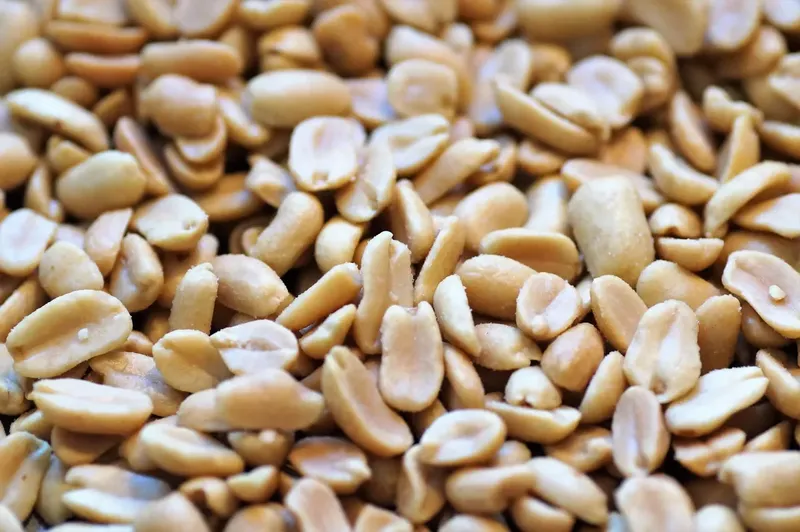
Peanuts are a safe and popular treat for goats, and most of them will crack shells and gobble them up without any hesitation. They’re loaded with protein and healthy fat that can supplement your goat’s regular diet.
Peanuts are treats, not a main course. Here’s how to feed them the right way.
Can goats eat peanuts?
Yes, peanuts are safe for goats. You can feed them raw or roasted, and most goats will happily eat them shell and all.
Goats have strong jaws and teeth that handle peanut shells without any trouble. The shells add a bit of fiber, and cracking them open seems to be part of the fun for the goats.
How to feed peanuts to goats
Stick with plain, unsalted peanuts. Salted, flavored, honey-roasted, or candy-coated peanuts have no place in a goat’s diet because the added salt, sugar, and seasonings can upset their stomachs, unlike plain oats which goats handle easily.
Raw peanuts from a feed store are the best option. If you only have roasted peanuts available, make sure they’re unsalted and have no added oil or seasoning.
That unsalted rule covers every legume snack, since edamame shells are perfectly safe plain but almost always sold heavily salted. Peanut butter needs a label check too, since some brands contain xylitol.
Start with just two or three peanuts per goat on the first day and watch for any signs of digestive upset over the next 24 hours. If everything looks good, you can work up to a small handful a few times per week.
Nutritional benefits of peanuts for goats
Peanuts are a solid source of protein, which helps with muscle development and milk production. They also contain healthy fats that provide extra energy, especially useful during cold weather or late pregnancy.
The vitamin and mineral profile is decent too. Peanuts contain niacin, manganese, copper, and vitamin E, all of which support overall health in goats.
Peanut hay, which is the dried plant left after the peanuts are harvested, is also safe and nutritious for goats. It’s high in protein, similar to alfalfa, and makes good supplemental forage if you can get your hands on it.
Risks and things to avoid
The main concern with peanuts is their high fat content. Too many peanuts can lead to weight gain and digestive problems, so you need to keep portions reasonable.
Watch out for aflatoxin contamination, the same toxin that makes moldy hay so dangerous. Peanuts are one of the crops most likely to carry aflatoxins, which are produced by fungi that grow in warm, humid storage conditions.
Aflatoxin poisoning can cause liver damage and reduced milk production, so always buy from a reputable supplier and toss any peanuts that look moldy or smell musty.
Store your peanuts in a cool, dry place and keep them in a sealed container where goats can’t help themselves, the same advice that applies to corn and other grains. A goat that discovers an unattended bag of peanuts will eat the whole thing and make itself sick.
How many peanuts can goats have?
A small handful per goat a few times a week is plenty. Think of peanuts as a training treat or a reward during handling and hoof trimming, not a dietary staple.
For a rough guideline, about a quarter cup per 100 pounds of body weight is a safe serving, similar to how you’d portion sunflower seeds. A smaller goat gets less, and a bigger goat can have a bit more.
Pregnant does can have peanuts in moderation alongside hay cubes, and the extra protein and fat can actually be helpful in late gestation. Baby goats should wait until they’re eating solid food regularly before you introduce peanuts, and even then start very small.
Final Thoughts
Peanuts make a great occasional treat for goats. They’re safe, nutritious, and goats genuinely enjoy them.
Keep them plain, keep them dry, and keep the portions small. Follow those three rules and your herd can enjoy peanut snacks safely.
Frequently Asked Questions
Goats can eat peanuts. Peanuts are high in vitamin B3, copper, manganese, and biotin. They're also packed with protein and fat that can help keep your goats healthy and provide them with energy.
It's generally safe for pregnant goats to eat peanuts. Peanuts are rich in protein, fat, and essential vitamins and minerals, which can help support a healthy pregnancy.
Baby goats should wait until they're eating solid food regularly before you introduce peanuts, and even then start very small. Their digestive systems are still developing.
Yes, goats can eat peanut shells without any trouble. They have strong jaws and teeth that handle the shells easily, and the shells add a bit of fiber. Cracking them open seems to be part of the fun.