| # | Product | Our Rating | ||
|---|---|---|---|---|
| 1 |  | Best OverallREDMOND Goat Mineral Supplement (5 lb) | ★★★★★ | Check Price |
| 2 |  | Wholesome Harvest 16% Goat Feed (10 lb) | ★★★★☆ | Check Price |
| 3 |  | Manna Pro Goat Treats | ★★★★☆ | Check Price |
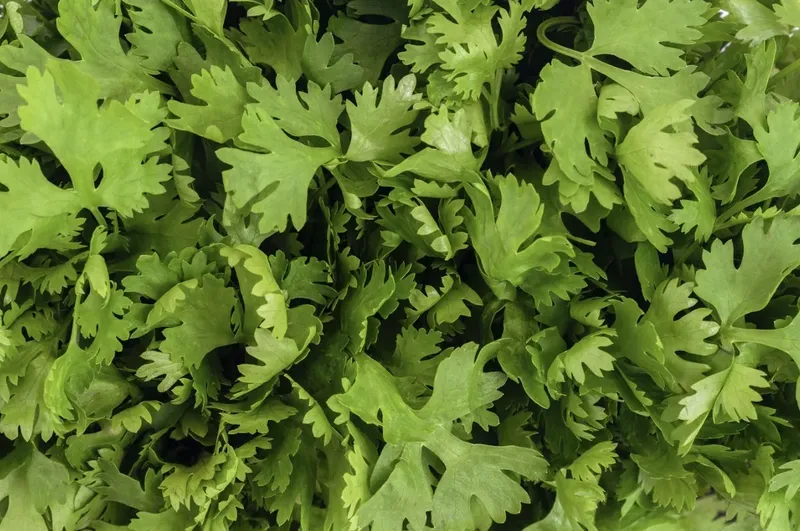
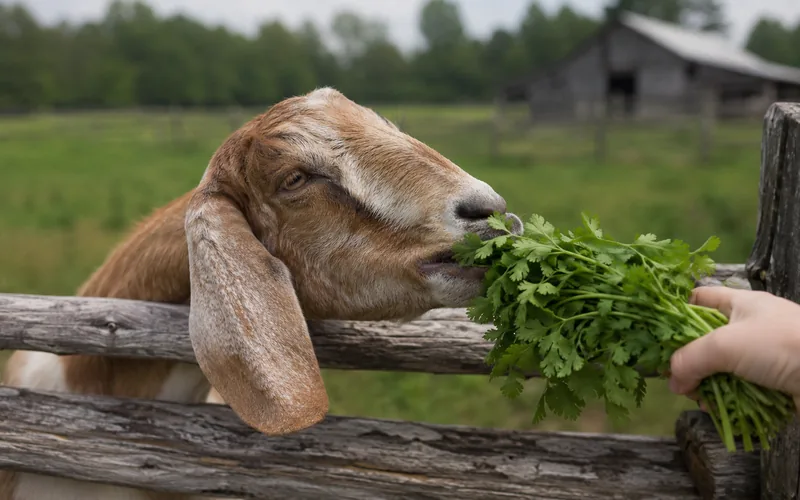
Cilantro is the fresh green leaf of the coriander plant, a fast-growing garden herb. Goats browse it readily, and a handful counts as a treat rather than a meal.
Most owners find this out by accident, after a goat gets its head through the fence and strips a whole row.
Nothing bad follows. What you actually need is the portion size, which parts are safe including the seeds, and what nutrition it brings.
Can Goats Eat Cilantro?
Yes, goats eat cilantro without any risk, and no veterinary source lists a toxic dose for them.
The ASPCA poison control database rates cilantro as non-toxic to dogs, cats, and horses. Goats are not named on that list, but the plant holds nothing that would trouble other grazing animals either.
But there’s a catch. Cilantro is an extra, and hay and pasture still make up the goat diet.
Which Parts of the Cilantro Plant Are Safe?
Every part of the plant passes: leaves, stems, flowers, and seeds.
Leaves
The soft green leaves go first, since they’re tender and smell strong, and most goats clear a bunch in seconds.
Stems
Stems are safe too and no harder to chew. A ruminant’s four-chambered stomach breaks down fibrous plant material, so a woody cilantro stalk poses no problem.
Flowers
Let cilantro bolt and it produces small white flowers. Those are safe too, though they’ll pick the leaves first.
Why Some Goats Refuse Cilantro
The short answer is smell. Some goats love the aroma, and others want nothing to do with it.
That split comes from the natural oils in cilantro. In people, the soapy taste some report traces to a variation in one smell-receptor gene.
Nobody has mapped that same variation in goats. One that turns away is showing preference, not sending a health warning.
Can Goats Eat Coriander Seeds?
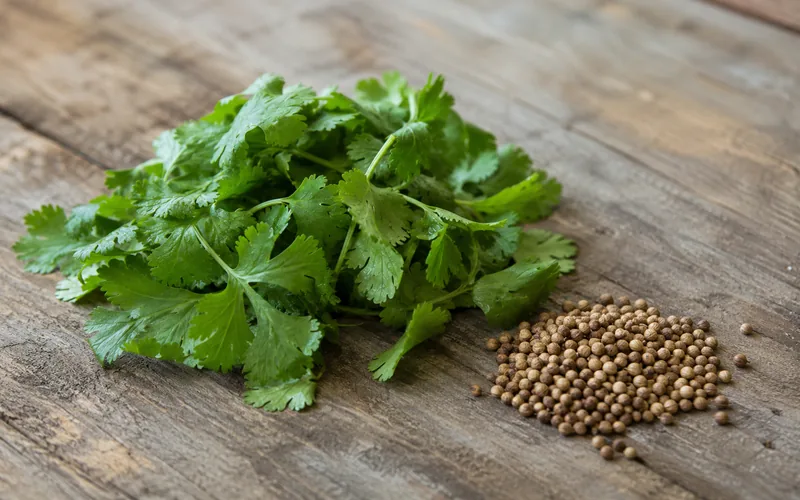
Coriander seeds are the dried fruit of that same plant, and goats eat them safely.
The seeds carry a warmer, nuttier taste than the leaves. A pinch stirred into grain makes a dull ration more appealing.
No separate rule applies to the seeds: same plant, same safety, same small portions.
What Cilantro Adds to a Goat’s Diet
Cilantro isn’t empty filler. It carries vitamins A, C, and K, plus potassium and manganese.
Those essential nutrients support immune function and general health. A goat on decent pasture already gets most of them, so cilantro adds to that rather than filling a gap.
The NIH Office of Dietary Supplements explains that vitamin K supports blood clotting and bone building.
That same office describes vitamin C as an antioxidant that strengthens immune defense. Goats make their own vitamin C in the rumen, so it counts for less in them than in people.
Here’s the honest scale of it: a handful of cilantro weighs a few grams. Those vitamins are a small bonus on a balanced diet, never a reason to feed it daily.
How Much Cilantro Can Goats Eat?
Keep treats under 10% of what a goat eats in a day. Forage fills the other 90%.
The Merck Veterinary Manual places forage at the base of goat nutrition, with supplements filling specific gaps. Hay and browse deliver the bulk of a goat’s essential nutrients, and cilantro adds little to that core.
So what does a serving look like? For a full-grown doe or wether, a large handful two or three times a week is sensible and protects rumen health.
Portion sizes shift with body size:
| Goat | Cilantro serving | How often |
|---|---|---|
| Standard adult (Nubian, Alpine) | One large handful | 2 to 3 times a week |
| Small breed (Nigerian Dwarf, pygmy) | Half a handful | 2 to 3 times a week |
| Kid over three weeks | 2 to 3 leaves | Every few days |
| Doe in late pregnancy | Half a handful | Once or twice a week |
Will Cilantro Change the Taste of Goat Milk?
In practice, no. A treat-sized serving is too small to change the flavor.
Strong-flavored feeds can pass their aroma into milk, which is why onions and garlic stay away from the milking herd.
Owners who feed cilantro in treat-sized amounts report no change in flavor, unlike the clear taint an onion patch causes.
So feed cilantro right after milking, which gives the compounds hours to clear before the next session.
How to Feed Cilantro to Your Goats
Put simply, rinse it and hand it over. Cilantro needs no special preparation.
Rinse store-bought cilantro before it goes over the fence. Pesticide residue is the real hazard here, not the plant.
Whole or Chopped
Goats manage whole bunches without help, so chopping only matters when you’re mixing cilantro into a feed bucket.
Mix It With Other Greens
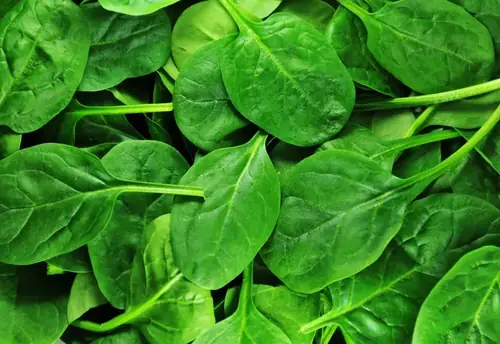
Cilantro pairs well with other garden greens. Working spinach into the rotation or offering a few kale leaves keeps the taste interesting.
Can Baby Goats Eat Cilantro?
Kids can eat cilantro once they’re taking solid food, usually around three to four weeks old.
What this means for you: start with two or three leaves and check for loose stool the next day. A young rumen is still building its microbe population, so new foods go in slowly.
Fresh Cilantro vs Dried Cilantro
Both are safe, though drying costs it most of its vitamin C, since that vitamin breaks down with heat and time.
Fresh is better whenever you have it. Dried cilantro, sometimes labeled dried coriander leaf, works once the garden is finished.
When to Skip the Cilantro
Spoiled cilantro and unwell goats are the two real reasons to skip it.
You’ll see claims that cilantro’s essential oils cause harm in quantity. No veterinary source supports that, and the oil content is far below the plants that do need limits.
The short version: the real reasons to skip a batch are simpler. Cilantro gone slimy in the fridge, or any plant material showing mold, causes digestive trouble no matter how safe the species is.
Two more situations call for restraint. Cut the portion back for a doe in late pregnancy, when rumen space is tight and every mouthful should carry real feed value.
Hold off as well on any goat that is off its feed or recovering from bloat. A struggling rumen needs plain hay and water, not a new taste to process.
Can Other Animals Eat Cilantro?
Cilantro suits most other livestock on a small farm.
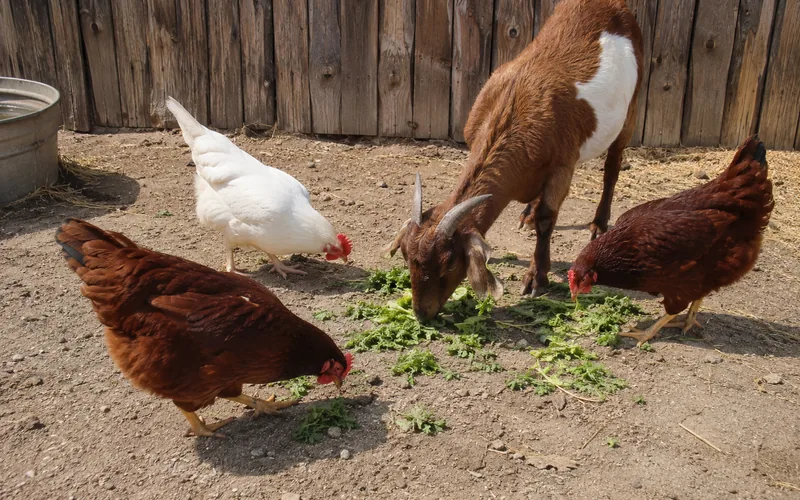
Chickens eat cilantro readily, and the leaves add vitamins along with something to peck at. Keep it to a treat, since a laying hen needs her balanced diet from formulated feed.
Sheep handle cilantro the same way goats do. Both are ruminants with the same four-chambered stomach, so it moves through without trouble.
Horses and donkeys can eat it too. The ASPCA rates cilantro non-toxic to horses, and donkeys share a close enough digestive system for that answer to hold.
Rabbits and pigs eat it too. Rabbits take cilantro as a fresh green in small daily amounts, while pigs get it in kitchen scraps.
Other Herbs Goats Can Eat
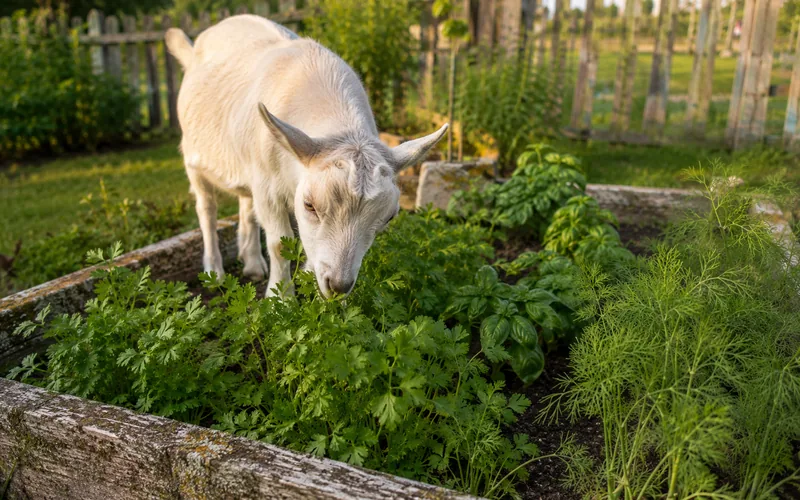
Several other kitchen-garden plants are just as safe. Parsley, dill, and oregano all work, and basil suits goats well for the same reasons.
Parsley deserves a note of its own. It is close to cilantro in both look and nutrition, and your herd will treat the two the same way.
Weeds count too, and they browse dandelions down to the root, which is one reason the pen stays tidy.
A few garden plants belong on the avoid list. Comfrey, wormwood, and pennyroyal all carry compounds that damage the liver or the nervous system over time.
Some plants that suit other livestock aren’t safe here either. Keep goats away from tomato and potato foliage, which holds compounds that harm ruminants even in small amounts.
The Bottom Line
Cilantro is safe for goats, from leaf to seed, and it brings essential nutrients plus a taste most of them like.
Keep treats under 10% of the diet, rinse anything store-bought, and let hay handle the rest. That balance keeps the whole herd in good health.
Frequently Asked Questions
Both can. Cilantro is safe for goats and for chickens, and both treat it as a snack rather than a staple. Chickens pull vitamins from the leaves and goats get the same, but herbs should never make up much of the daily ration for either one.
Goats should avoid comfrey, wormwood, pennyroyal, and anything in the nightshade family, including tomato and potato leaves. These carry compounds that damage the liver or the nervous system. Cilantro belongs in the safe group alongside parsley, dill, and basil.
Internal parasites, mainly the barber pole worm, kill more goats than anything else. Bloat and pneumonia follow behind. None of this connects to cilantro, but it is why forage quality and a real parasite plan matter far more than any treat.
Cilantro is safe for goats, chickens, rabbits, sheep, pigs, and horses. The ASPCA rates the plant non-toxic for dogs, cats, and horses, and no farm species has a documented problem with it. Portion size is the only rule they share.