
| # | Product | Our Rating | ||
|---|---|---|---|---|
| 1 | 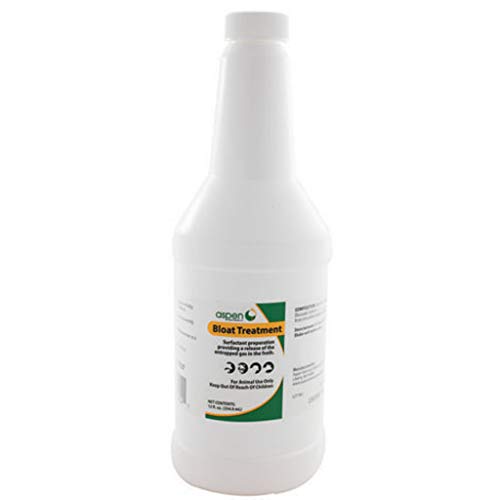 | Best OverallBloat Release Oral Drench (12 oz) | ★★★★★ | Check Price |
| 2 |  | Adjustable Drench Syringe Set (20ml) | ★★★★☆ | Check Price |
| 3 |  | Feed-Grade Sodium Bicarbonate (50 lb) | ★★★★☆ | Check Price |
Few things on a goat farm move as fast as bloat. A goat that looked fine at breakfast can be straining, puffed up on the left side, and fighting for breath by lunch, and dead by evening if you guess wrong about treatment.
Knowing what to do before it happens is what saves the animal.
This guide walks through how to recognize bloat, how to tell the two types apart (they need different treatment), the emergency steps and amounts, and how to keep it from happening again.
Important: Bloat is a true emergency. This article is educational, not a substitute for a veterinarian. If you can reach a vet, call while you start first aid, minutes matter.
What Is Goat Bloat?
Bloat is a buildup of gas in the rumen (the large fermentation stomach) that the goat cannot belch out. As the rumen swells, it presses on the lungs and major blood vessels, and the goat can suffocate.
There are two types, and they are not treated the same way, getting this wrong is what kills goats.
Frothy bloat is the more common kind. Rich, fermentable feed, grain, legumes like alfalfa or clover, or lush wet pasture, makes the rumen microbes produce a stable foam.
The gas is trapped in thousands of tiny bubbles, so it cannot be simply belched or tubed out. Frothy bloat needs an anti-foaming agent to collapse the bubbles.
Free-gas bloat comes from a physical problem: a piece of food, a plastic bag, or something the goat shouldn’t have eaten lodged in the esophagus, or a goat cast on its back so it cannot belch. The gas is one big pocket, so passing a stomach tube usually releases it fast.

The quickest field test: if you can pass a stomach tube and gas rushes out, it was free-gas bloat. If you tube it and almost nothing comes out, it is frothy bloat and needs an anti-foaming agent.
A frequent trigger is a goat breaking into the feed room and gorging on grain, the same scenario behind alfalfa pellet bloat. On the free-gas side, keep loose trash like a stray plastic bag well out of reach.
Symptoms of Bloat in Goats
Bloat shows up on the left side, where the rumen sits. Catch it early and you have options; wait and you may not.
Early and classic signs include:
- A swollen, tight, drum-like left flank (thump it, it sounds like a drum)
- Off feed and standing apart from the herd
- Restlessness, teeth grinding, stamping feet, frequent urination
- Drooling or repeated swallowing attempts (especially with choke)
- Bawling or obvious discomfort, looking at the flank
As it worsens, the goat breathes hard and fast, staggers, then goes down on its side and cannot get up. A goat that is down with bloat is minutes from death and needs the most aggressive intervention.
Don’t wait to “see if it passes”, a tight left side is your signal to act.
How to Treat a Bloated Goat
Work fast, and match the treatment to the type.
1. Get the goat up and elevate the front end.
Stand it with its front legs up on a step, a bale, or a slope so the gas can rise toward the esophagus. Keep it moving if it can walk, movement helps the rumen reposition and belch.
2. For frothy bloat, give an anti-foaming agent.
The proper product is poloxalene (Therabloat). If you don’t have it, 100-200 mL of vegetable or mineral oil breaks down foam.
The safest way to give it is through a stomach tube; oil and water in the mouth of a struggling goat can go into the lungs and cause fatal pneumonia.
3. For free-gas bloat, release the gas.
If you can feel or see a choke in the neck, gently massage it down. Otherwise, passing a stomach tube usually lets the trapped gas escape immediately.
4. Massage the rumen and keep walking the goat to circulate the treatment and help it belch.
For early, mild, grain-related bloat in a goat that is still standing and swallowing normally, a baking-soda drench can help as a first step, covered next. Have your vet show you how to debloat a goat with a stomach tube before an emergency hits.
The amounts, at a glance:
| Remedy | Amount | Notes |
|---|---|---|
| Baking soda (early grain bloat) | ~1 tbsp in 60-120 mL warm water | Buffers acid; does NOT break frothy foam |
| Vegetable/mineral oil (frothy) | 100-200 mL via stomach tube | Anti-foaming; tube is safest |
| Poloxalene (Therabloat) | Per label / vet | Preferred anti-foaming product |
Never drench a goat that is down, gasping, or can’t swallow, tube it or wait for the vet instead.
Where to Poke a Goat for Bloat
This is the question every panicked owner searches, so here is the honest answer: poking (trocarizing) the rumen is an absolute last resort, for when a goat is dying in front of you, the rumen is hugely distended, and no vet is reachable.
The site is the upper left flank, at the high point of the swelling, in the hollow triangle bounded by the last rib, the hip bone (point of hip), and the spine. A trocar-and-cannula or a large-bore needle is pushed straight in to let gas escape.
It is bloody, risks peritonitis (infection), and works only for free-gas bloat, it does nothing for foam.
If there is any way to get a vet on the phone, do that first. A trocar can save a life in the last minute, but it is not a routine treatment.
How Long Can a Goat Survive With Bloat?
Often just a few hours, sometimes less. Severe frothy bloat can kill within an hour or two as the swollen rumen crushes the lungs and stops blood return to the heart.
There is no safe “wait and watch” window with a tight, distended goat.
Treat every case as urgent from the first sign. In over a decade of raising dairy and meat goats, the bloat cases I’ve lost were the ones I waited on, hoping they would settle on their own, they didn’t.
The ones that pulled through got an anti-foaming agent and a stomach tube into them inside the first twenty minutes. The goats that survive are almost always the ones whose owners acted immediately and called for help early.
How to Prevent Goat Bloat
Almost all bloat traces back to feed, so prevention is mostly feed management:
- Keep the diet at least 75% long-stem forage (hay and browse). Backyard goats rarely need much grain at all.
- Always feed hay before grain or before turnout onto lush pasture, so the rumen isn’t hit by rich feed on an empty stomach.
- Introduce any new feed gradually over about two to four weeks, never all at once.
- Lock up the grain. Most emergencies start with a goat breaking into the feed room, use goat-proof latches.
- Avoid finely ground grains and sudden access to wet, frosty, or legume-heavy pasture.

Keep a small bloat kit ready: baking soda, a bottle of vegetable or mineral oil, a drench syringe, and ideally poloxalene and a stomach tube if you’re trained to use them. Stock these alongside the rest of your goat medicine cabinet so you’re not hunting for supplies while a goat struggles.
The goats that pull through are the ones whose owners were ready before the emergency started. The same readiness pays off across the rest of goat health, too.
Sources and Further Reading
Compiled and cross-checked against established veterinary and goat-health references:
- University of Arkansas Division of Agriculture, Bloat in Small Ruminants (FSA9625)
- Countryside / Goat Journal, Goat Bloat: Symptoms and Treatment
- The Merck Veterinary Manual, Ruminal Tympany (Bloat) in ruminants
Bloat is a veterinary emergency; confirm treatment with your own vet, and recheck current recommendations periodically.
Frequently Asked Questions
First decide the type. For frothy bloat (from grain or rich pasture), give an anti-foaming agent, poloxalene (Therabloat) or 100-200 mL of vegetable or mineral oil, ideally via a stomach tube, then massage the rumen and walk the goat. For free-gas bloat (from a blockage), relieve the obstruction or pass a stomach tube to let the gas out. Keep the goat standing with its front legs raised and call your vet. Bloat kills fast.
Sometimes only a few hours. Severe bloat compresses the lungs and major blood vessels, so a goat can go from mildly puffy to dead in well under a day, occasionally within an hour or two of severe frothy bloat. Treat it as an immediate emergency the moment you notice a tight, distended left side.
As an absolute last resort when a goat is dying and no vet is reachable, the trocar (or a large needle) goes into the upper left flank, the high point of the swelling, in the triangle between the last rib, the hip bone, and the spine. This is an emergency surgical procedure that risks infection and should be done by or with a vet whenever possible.
For a standing goat with early grain-related bloat, a common drench is about 1 tablespoon of baking soda dissolved in 60-120 mL of warm water. Baking soda buffers rumen acid but does not break up the foam of true frothy bloat, so it is a first step, not a cure. Never drench a goat that is down or struggling to swallow, it can inhale the liquid.
Not usually. Baking soda helps with grain overload and acidosis, but frothy bloat needs an anti-foaming agent (poloxalene or oil) to collapse the foam, and free-gas bloat needs the gas physically released. Identify the type, baking soda alone can waste the minutes that decide whether the goat lives.