 guide
guide Can Baby Kittens Drink Goats Milk? Safety, Risks & Feeding Tips
Can baby kittens drink goats milk safely? Learn the nutrient gaps, when it works as an emergency bridge, an age-by-age feeding chart, and safer KMR options.

Goat milk is the most widely consumed milk on the planet, goat cheese shows up on menus everywhere, and goat meat is the most popular red meat across Africa, Asia, the Middle East, and Latin America. Here's what you need to know about sourcing, storing, cooking, nutrition, and selling goat products.
We may earn a small commission through links on this page, at no extra cost to you. As an Amazon Associate, we earn from qualifying purchases. Ratings reflect our own editorial evaluation.
Goat milk is easier to digest than cow milk, higher in calcium, and available at most grocery stores.
Goat milk has smaller fat globules than cow milk, making it naturally homogenized and gentler on digestion. The lower alpha-s1 casein is the main reason people who can't handle cow milk often do fine with goat.
One cup runs about 170 calories, 10 grams of fat, 9 grams of protein, and 27% of your daily calcium. You're also getting good amounts of phosphorus, potassium, and vitamins A, B2, and B6.
Most grocery stores carry goat milk now, including brands like Meyenberg. Powdered goat milk is a shelf-stable option for cooking and smoothies.
Fresh milk freezes well in containers with an inch of headspace and keeps for up to 6 months.
Freeze surplus goat milk in ice cube trays, then transfer to a zip-lock bag. This lets you thaw exactly the amount you need without wasting a full container.
| Nutrient (per cup) | Goat Milk | Cow Milk | Key Difference |
|---|---|---|---|
| Calories | 170 | 150 | Goat milk is slightly richer |
| Fat | 10g | 8g | Smaller fat globules in goat milk |
| Protein | 9g | 8g | A2 casein dominant in goat milk |
| Calcium | 327mg (27% DV) | 276mg (23% DV) | Goat milk has more calcium |
| Lactose | 4.1% | 4.7% | Goat milk is slightly lower |
| Vitamin A | 483 IU | 395 IU | Goat milk is higher |
Raw goat milk retains beneficial enzymes and probiotics that pasteurization destroys, but strict hygiene is essential for safety.
Raw goat milk preserves enzymes, probiotics, and immunoglobulins that pasteurization eliminates. People on healing protocols like the GAPS diet specifically seek it out.
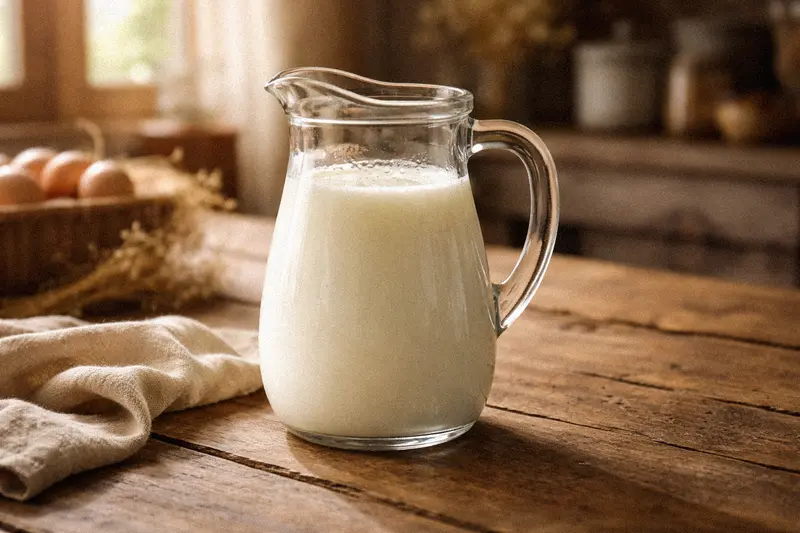
The flip side: public health agencies warn that raw milk can carry E. coli, Salmonella, Listeria, and Campylobacter. Safe handling means meticulous sanitation, chilling below 40 degrees Fahrenheit within 30 minutes of milking, and regular herd testing for CAE, Johne's, and brucellosis.
Raw milk sale laws vary wildly by state. Herd-share programs offer a legal workaround in places where direct sales aren't allowed.
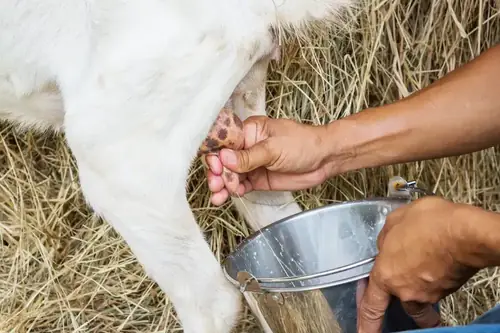
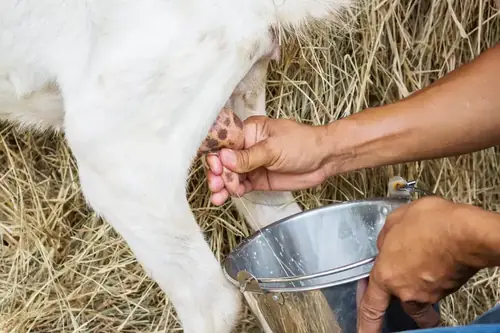
Chill raw goat milk to below 40 degrees Fahrenheit within 30 minutes of milking. A stainless steel pail in an ice bath during milking helps reach safe temperatures fast.
Whole goat milk is safe for children 12 months and older, but infants need a fortified goat milk formula instead.
Don't give whole goat milk to infants under 12 months as a formula replacement. It lacks adequate folic acid and vitamin B12.
Fortified goat milk formulas work well for babies who can't tolerate cow-based options.
Once kids hit 12 months, whole goat milk makes a solid alternative. Powdered goat milk reconstitutes easily for smoothies and baking.
Goat yogurt is a nice option for babies starting solids around 6 months. The probiotics are gentle on developing digestive systems.
| Age | Goat Milk Product | Safe? | Notes |
|---|---|---|---|
| 0-6 months | Whole goat milk | No | Lacks adequate folic acid and B12 for infants |
| 0-12 months | Goat milk formula (fortified) | Yes | Good option for cow milk-sensitive babies |
| 6+ months | Goat yogurt | Yes | Introduce with solids, start small amounts |
| 6-8+ months | Soft goat cheese | Yes | Use pasteurized, watch for allergic reactions |
| 12+ months | Whole goat milk | Yes | Nutritious alternative to cow milk for toddlers |
| 12+ months | Powdered goat milk | Yes | Shelf-stable option for smoothies and baking |
Most cats and dogs tolerate goat milk well, making it a popular digestive supplement among holistic veterinarians.
Goat milk's easy digestibility makes it a go-to supplement for dogs, cats, and even orphaned wildlife.
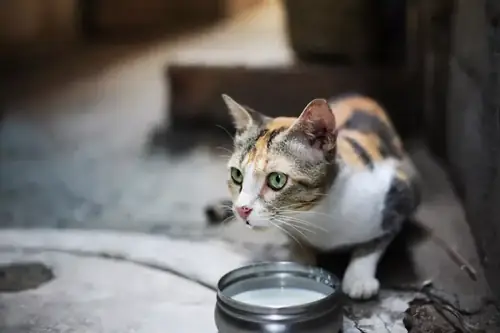
Cats that can't handle cow milk often do fine with goat milk. Orphaned kittens benefit from goat milk mixed with kitten milk replacer, though it shouldn't be the sole formula.
For dogs, it works great as a food topper or probiotic supplement. Fermented goat milk kefir is a particular favorite among raw-feeding dog owners.
Start dogs and cats with just 1-2 tablespoons of goat milk per day and gradually increase. Fermented goat milk kefir has even more probiotic benefit and is especially helpful for pets recovering from antibiotics.
Fresh chevre is the simplest goat cheese to make at home. You need just milk, acid, salt, and about an hour.
| # | Product | Our Rating | ||
|---|---|---|---|---|
| 1 |  | Best OverallRicki's Goat Cheese Kit | ★★★★★ | Check Price |
| 2 |  | Standing Stone Farms Beginner Cheese Making Kit | ★★★★☆ | Check Price |
| 3 | 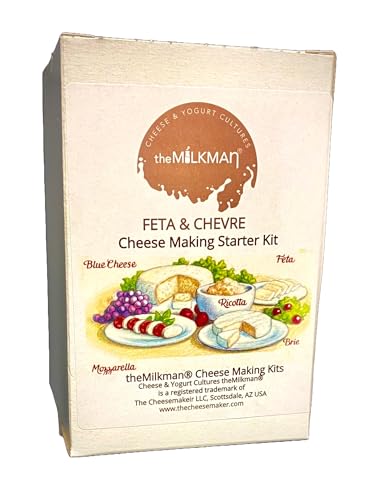 | theMilkman Feta & Chevre Cheese Making Kit | ★★★★☆ | Check Price |
Heat a gallon of goat milk to 180 degrees Fahrenheit, add 1/4 cup vinegar or lemon juice, let curds form for 10 minutes, strain through cheesecloth, and season with salt. One gallon yields roughly a pound of fresh chevre.
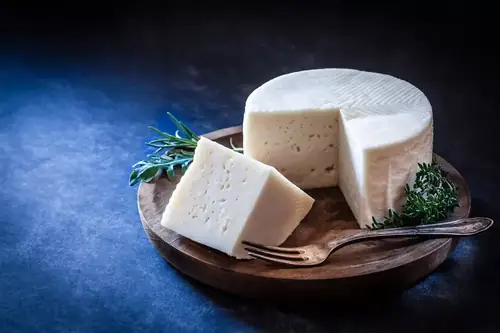
Goat milk feta is tangier and creamier than cow milk versions. Aged varieties like Bucheron and Humboldt Fog develop complex flavors over weeks or months.
Goat cheese substitutes well for feta in salads and pasta. It freezes reasonably well — fresh chevre gets crumbly (better for cooking), while hard goat cheeses hold up better.
Fresh chevre is the easiest cheese to start with. You only need goat milk, vinegar or lemon juice, salt, and a cheesecloth. One gallon of milk yields about a pound of cheese in under an hour.
| Cheese Type | Difficulty | Aging Time | Equipment Needed |
|---|---|---|---|
| Chevre (fresh) | Beginner | None (eat same day) | Pot, cheesecloth, thermometer |
| Fromage blanc | Beginner | None | Pot, cheesecloth, culture |
| Feta | Intermediate | 1-4 weeks in brine | Pot, rennet, cheese mold, brine container |
| Bucheron (bloomy rind) | Intermediate | 4-8 weeks | Mold, aging cave/fridge, penicillium candidum |
| Goat Gouda | Advanced | 2-6 months | Cheese press, wax, rennet, aging space |
| Cheddar-style | Advanced | 3-12 months | Cheese press, rennet, wax, temperature-controlled aging |
Goat meat is leaner than beef, pork, or lamb and ranks as the most popular red meat worldwide.
It has fewer calories and less saturated fat per serving than beef, pork, chicken, or lamb.
Walmart and halal butchers stock goat meat in high-demand areas. Farmers markets and online retailers are other reliable sources.
Cabrito (roasted young goat) is a Mexican staple, curry goat is essential in Jamaican and South Asian cuisine, and suya (spiced grilled goat) is popular across West Africa. The lean profile benefits from slow cooking like braising and stewing.
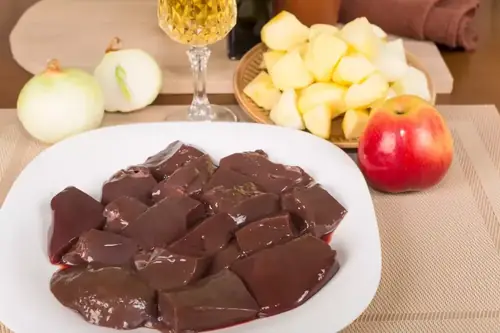
Goat liver is packed with iron, vitamin A, and B vitamins. Goat meat is safe for pregnant women when properly cooked.
| Cut | Best Cooking Method | Calories (3 oz) | Protein (3 oz) |
|---|---|---|---|
| Leg/Shank | Braising, slow roasting | 122 | 23g |
| Shoulder | Stewing, braising | 130 | 22g |
| Loin Chops | Grilling, pan-searing | 120 | 23g |
| Ribs | Slow roasting, BBQ | 135 | 20g |
| Ground Goat | Burgers, curry, kebabs | 143 | 21g |
| Liver | Pan-frying, pate | 115 | 18g |
Goat milk soap is the easiest and most profitable entry point for selling goat products, requiring minimal licensing in most states.
Legal requirements for selling goat products vary by state. Raw milk sales face heavy regulation.
Some states allow on-farm sales, while others ban them outright.
Soap is classified as a cosmetic, so food-safety licensing isn't required in most states. One gallon of milk produces 10-15 bars that sell for $5-8 each.
Goat milk butter takes a cream separator since goat milk is naturally homogenized. The butter comes out pure white with a delicate, tangy flavor.
Want to sell goat cheese? That requires a licensed dairy and commercial kitchen in most states.
| Product | Licensing Required | Startup Cost | Profit Margin |
|---|---|---|---|
| Goat milk soap | Cosmetic label only (most states) | Low ($50-200) | High ($5-8 per bar) |
| Goat milk lotion/lip balm | Cosmetic label only | Low ($100-300) | High ($4-10 per item) |
| Raw goat milk | Varies by state (many restrict sales) | Low (milking supplies) | Low-Medium ($8-15/gallon) |
| Pasteurized goat milk | Dairy license + inspections | High ($5,000+) | Medium ($10-16/gallon) |
| Goat cheese | Dairy license + commercial kitchen | High ($10,000+) | High ($15-30/lb) |
| Breeding stock (registered) | None (livestock sale) | Medium (registration fees) | High ($200-1,500+ per animal) |
Goat dairy is often gentler on the stomach than cow dairy, mainly because of its A2 beta-casein protein and slightly lower lactose content.
The key difference: goat milk contains mostly A2 beta-casein protein, while cow milk typically has A1 beta-casein, which research links to increased gut inflammation. If cow dairy causes bloating, goat dairy is worth trying.
That said, goat cheese can still cause problems if you have a true dairy allergy, IBS, or severe lactose intolerance. Aged goat cheeses are lower in lactose because the bacteria consume it during the aging process.
Goat milk mixes well with whey protein for a solid high-protein shake. It's also permitted on the GAPS diet, Paleo-adjacent plans, and Ayurvedic guidelines.
Choose full-fat goat dairy when possible. Fat-soluble vitamins A, D, E, and K are concentrated in the cream.
Goat milk has several advantages over cow milk. It contains smaller fat globules, making it naturally homogenized and easier to digest. It has predominantly A2 beta-casein protein, which causes fewer digestive issues. It's also higher in certain vitamins and minerals. However, goat milk isn't suitable for people with a true dairy allergy, and it isn't lactose-free, though it contains slightly less lactose than cow milk.
Technically yes, and many goat owners do. However, raw milk carries a risk of bacterial contamination. Safety depends on herd health, sanitation practices during milking, and rapid chilling. Many advocates believe clean raw goat milk from tested, healthy does is safe and nutritionally superior. Others, including public health agencies, recommend pasteurization to eliminate all risk.
Goat meat (chevon) has a mild, slightly sweet flavor that falls between lamb and beef. Young goat (cabrito) is the most tender and mild. Adult goat meat can have a stronger flavor, especially from bucks, but is still milder than mutton. The taste is heavily influenced by cooking method, and goat meat shines in slow-cooked preparations like stews, curries, and braises.
Goat cheese can be introduced once a baby is ready for solids, typically around 6-8 months. Start with soft, pasteurized goat cheese in very small amounts. Goat cheese isn't an appropriate substitute for breast milk or formula for infants. Always watch for signs of allergic reaction when introducing any new food, and consult your pediatrician if your baby has a family history of dairy allergies.
Yes, both freeze well. Goat milk can be frozen for 3-6 months in freezer-safe containers with an inch of headspace. Shake well after thawing as the fat may separate. Goat cheese also freezes reasonably well for up to 3 months, though soft chevre becomes slightly crumbly after thawing and is better used for cooking rather than eating straight. Hard goat cheeses freeze better than soft ones.
Goat meat is available at many Walmart locations, halal butcher shops, ethnic grocery stores (Caribbean, African, South Asian, Middle Eastern), farmers markets, and directly from local goat farms. Online retailers also ship frozen goat meat. Availability varies by region, with more options in urban areas with diverse populations.
Yes, many pets benefit from goat milk as a supplement. Cats who are lactose intolerant to cow milk often tolerate goat milk because of its lower lactose content and smaller fat globules. Dogs can have goat milk as a food topper, probiotic supplement, or extra nutrition. Start with small amounts and watch for digestive upset. Goat milk should supplement, not replace, a pet's regular diet.
Yes, but the most profitable products are typically value-added items rather than raw milk. Goat milk soap is the easiest entry point because it's classified as a cosmetic and requires minimal licensing. Goat cheese, butter, and bottled milk sales require dairy licensing and health inspections in most states. Registered breeding stock and bottle babies can also generate significant income for goat breeders.
guide Can baby kittens drink goats milk safely? Learn the nutrient gaps, when it works as an emergency bridge, an age-by-age feeding chart, and safer KMR options.
 guide
guide Goat liver is safe, nutritious, and eaten worldwide. Learn the benefits, the vitamin A limit, and how to inspect liver from your own goats before eating it.
 guide
guide Find out whether cats can safely drink goat's milk. Covers benefits, risks, proper serving sizes, and how goat's milk compares to cow's milk for felines.
 guide
guide Whether you're a new or experienced goat owner, this is worth looking into. We cover the key things you should know.
 guide
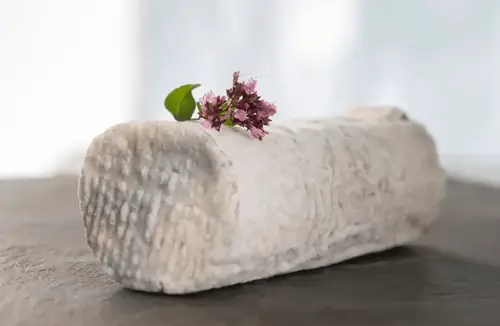
guide This article will provide you with helpful tips, tricks, and a simple how-to guide on freezing goat cheese.
 guide
guide To provide you with the answer to those questions, we've created this helpful guide.
 guide
guide It's a fair question, and the answer involves a few important factors. Here's what you need to consider before moving forward.
 guide
guide This topic sparks a lot of debate among goat keepers. We looked at the evidence to give you a clear, reliable answer.
 guide
guide Experienced goat owners have strong opinions on this one. We look at the facts and practical advice.
 guide
guide This question comes up more often than you'd think. Here's what experienced goat owners and veterinarians have to say.
 guide
guide There are a few important things to consider here. We break down the pros, cons, and best approaches.
 guide
guide It's a fair question, and the answer involves a few important factors. Here's what you need to consider before moving forward.