| # | Product | Our Rating | ||
|---|---|---|---|---|
| 1 |  | Best OverallREDMOND Goat Mineral Supplement (5 lb) | ★★★★★ | Check Price |
| 2 |  | Wholesome Harvest 16% Goat Feed (10 lb) | ★★★★☆ | Check Price |
| 3 |  | Manna Pro Goat Treats | ★★★★☆ | Check Price |
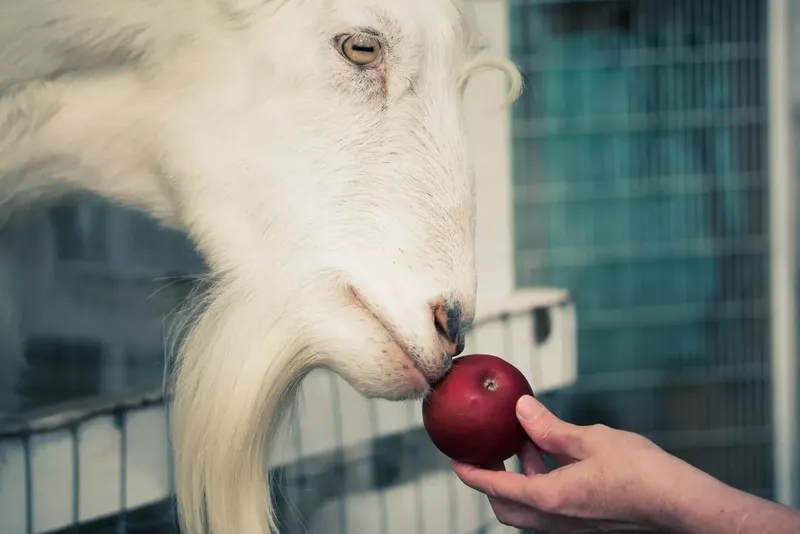
Few things bring a goat sprinting to the fence faster than the crunch of a fresh apple. This orchard favorite is one of the most popular treats among backyard and homestead herds nationwide.
The good news is apples fit neatly into a goat’s browsing diet. The catch is a few simple rules that separate a healthy snack from a digestive problem.
Can Goats Eat Apples?
Yes, apples are a goat-safe fruit that most animals eagerly accept. They pack a genuine nutritional punch alongside that sweet, sugary crunch.
A medium apple carries roughly 4 grams of fiber, about 14% of the daily vitamin C target, and a small dose of vitamin A. Those nutrients support digestion, immune health, and coat condition across your herd.
Goats are ruminants, so their four-chambered stomach is built to ferment plant material. Apples slot in as an easily digestible source of natural sugars and roughage, which is exactly why they make such a good training reward.
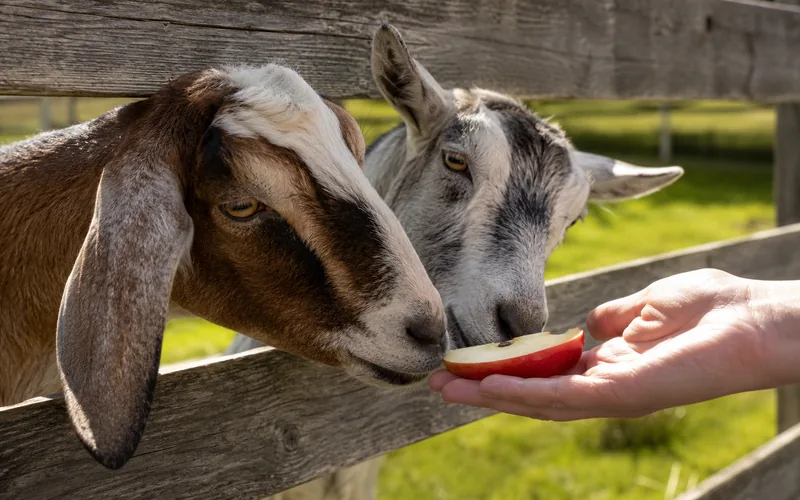
Still, an apple is a treat and not a meal. The bulk of a goat’s diet should come from hay, pasture, and browse, with fruit filling only a small supporting role.
Are Apples Good for Goats?
Fed in the right amounts, apples genuinely do a goat some good. The fiber keeps rumen fermentation steady, the natural sugars give a quick energy hit, and the vitamin C in the skin lends a small immune benefit.
If vitamin C is what you’re after, a single kiwi carries far more of it than an apple.
Are Apples Safe for Goats?
In short, yes, with a couple of simple precautions.
Apples are safe for goats when they are fresh, clean, and served in moderation. The flesh and skin carry no toxins and are fully digestible.
The concern is never the apple itself but how much and which parts a goat eats. The rumen, the largest stomach chamber, relies on a stable population of microbes to break food down.
Flooding that system with sugary fruit tips the microbial balance and causes trouble. Keep servings measured and your goats will enjoy apples with no downside.
Can Goats Eat Apple Seeds?
Short answer: no, the seeds are the one part to skip.
Apple seeds are the one part you should always remove before feeding. The seeds contain amygdalin, a compound that converts into hydrogen cyanide when the seed coat is crushed and digested.
A stray seed or two will not harm a full-grown goat. The real danger is repeated feeding, as small cyanide doses accumulate over time.
Since deseeding takes all of ten seconds, there’s no reason to gamble. Make it a habit every single time, especially with kids and smaller breeds.
Can Goats Eat Apple Cores?
Goats can eat apple cores, and most happily crunch through the whole thing. The fibrous core and stem are perfectly digestible and pose no threat on their own.
The catch is that the core houses the seed chamber. If you plan to hand a goat the core, cut it open and pull the seeds out first.
An adult goat faces little real risk from a single core with a few stray seeds. Consistency still matters, so treat cores exactly like whole apples: seeds out, then serve.
Should You Feed Apples Whole or Sliced?
Both work fine, but the right choice comes down to the size and age of your goat. A standard adult goat can bite chunks off a whole apple without any issue.
Smaller breeds like Nigerian Dwarf or Pygmy goats, along with young kids, are a different story. Their narrower throats make a whole apple a genuine choking hazard.
For these animals, slice the apple into thin wedges. This removes the choking risk and lets you pull out the seeds at the same time.
Can Baby Goats Eat Apples?
Kids can have apples once they are eating solid food and grazing, usually around three to four weeks old. Keep portions tiny and always slice the fruit thin to prevent choking.
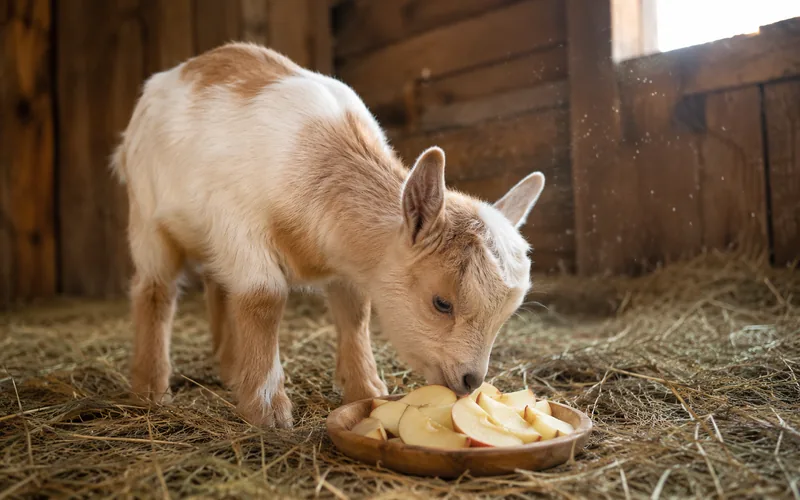
A kid’s rumen is still developing, so introduce fruit slowly. A few small pieces a couple times a week is plenty.
How Many Apples Can a Goat Eat?
As a rule, one to two apples per day is plenty for a healthy adult goat. Fruit and other treats combined should stay under 10% of total daily food intake.
That 10% ceiling exists because a goat eats roughly 2% of its body weight in feed each day. A large Boer goat has more room for treats than a 30-pound Pygmy, so scale portions to the animal in front of you.
| Goat type | Approximate weight | Suggested apple limit |
|---|---|---|
| Pygmy / Nigerian Dwarf | 30–75 lb | Half an apple, sliced |
| Standard dairy (Nubian, Alpine) | 130–170 lb | 1 apple |
| Large meat breed (Boer) | 200–300 lb | 1–2 apples |
| Kids (under 3 months) | Varies | A few thin slices, seeds removed |
Can Goats Eat Apples Every Day?
Yes, goats can eat apples every day, as long as the fruit stays inside that 10% treat allowance and the rest of the diet holds steady. Spread them across the day rather than dumping them all at once, so sugar never hits the rumen in one overwhelming wave.
Introducing Apples Gradually
Any time you add a new treat, start with a small piece and watch appetite and droppings, since some goats have far more sensitive stomachs than others. Give it a day or two before a full serving so the rumen microbes can adjust without digestive drama.
Can Goats Eat Apple Leaves and Bark?
Apple tree leaves and bark are safe browse and a natural part of how goats forage. Like most livestock, they’re browsers by instinct and will strip leaves from a tree the second they can reach it.
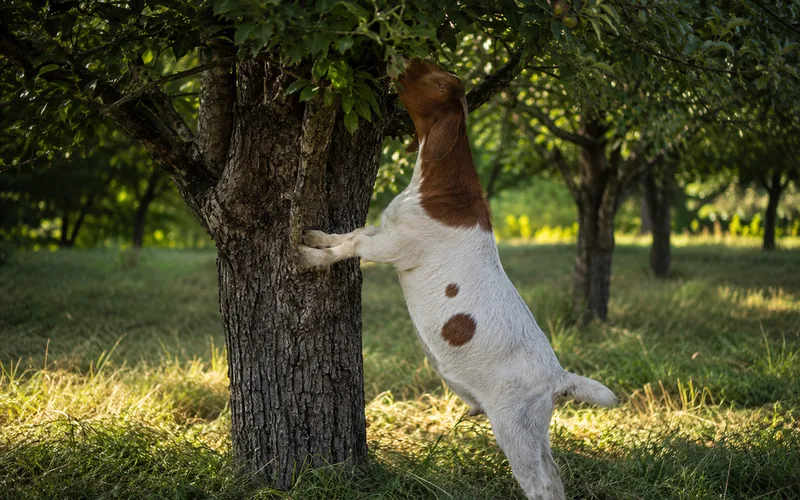
The foliage adds fiber and trace nutrients, so there’s no need to fence goats away for their own safety. The trees themselves are another matter, though.
A determined goat can girdle and kill a young apple tree by stripping the bark. Protect valuable trees with fencing and bring pruned branches to the herd instead.
What About Fermented or Rotten Apples?
Never feed fermented or rotting apples that have been sitting on the ground. As windfall apples decay, their natural sugars ferment into alcohol.
Alcohol is toxic to goats and can trigger disorientation, staggering, and dangerous drops in rumen function. A pile of fallen apples is a hazard worth cleaning up.
If your goats have orchard access in autumn, rake the drops regularly. Fresh apples are the only apples that belong in a goat’s diet.
How Do Apples Compare to Other Treats?
Apples rank among the safest and most popular goat treats.
Apples sit comfortably alongside other goat-friendly fruits and vegetables. Crunchy carrots make an equally popular snack and pair well with apple slices in a training mix.
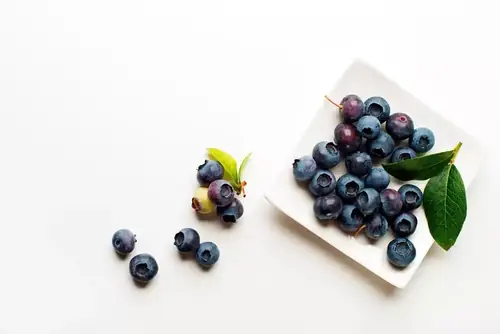
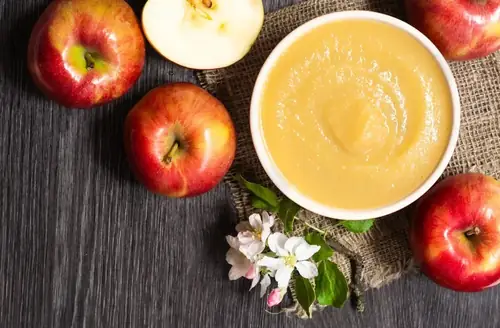
Soft banana pieces, peel included, offer potassium and fiber, while watermelon is a hydrating summer favorite. Thorny bramble berries are another whole-plant option, since goats eat the leaves and canes right along with the fruit. Berries need no slicing at all, which makes blueberries as a training treat an easy single-bite reward. Unlike apples, grapes are safe seeds and all, so they need no deseeding before you hand them over. A smoother option like plain applesauce behaves differently, since its sugars are concentrated and often boosted with additives.
Citrus is where goats grow pickier. Oranges can upset rumen acidity, so offer them sparingly if at all, unlike the reliably well-tolerated apple.
Can Goats Eat Apples and Carrots Together?
Yes, apples and carrots are both safe, crunchy treats, and pairing them makes an excellent training reward. Just count the combined amount toward the same 10% treat limit, since each adds natural sugars to the diet.
Do Apple Varieties Matter?
Every variety is safe, from tart Granny Smith to sweet Fuji and Gala, the only real difference being a slightly heavier sugar load in the sweeter types. For most goats this is a non-issue at treat-sized portions.
For an overweight goat, or one prone to digestive upset, lean toward tart, lower-sugar apples instead.
What Happens if a Goat Eats Too Many Apples?
Overloading on apples throws the rumen out of balance and can lead to bloating, loose stool, or diarrhea. The flood of sugar feeds acid-producing microbes and can push a goat toward ruminal acidosis.

Ruminal acidosis is a serious drop in stomach pH that, left unchecked, can turn life-threatening. Watch for a tight, distended belly, teeth grinding, and a goat that suddenly goes off its feed.
If a goat raids a bag of apples, remove the source and monitor closely. Offer plenty of hay and fresh water, and call your veterinarian if the symptoms escalate.
Foods and Fruits That Are Toxic to Goats
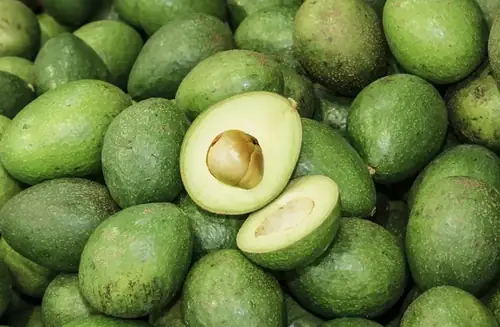
While apples earn a place on the safe list, plenty of common foods do not. Avocado contains persin, which damages the heart, and should never reach your herd.
Chocolate, onions, garlic, and anything moldy or heavily processed also belong on the no-list. Among fruits, cherry pits and leaves carry cyanide, and rhubarb leaves hold toxic oxalates.
Starchy fillers like bread and large amounts of corn do more harm than good, feeding the same acidosis risk as too much fruit. Toxic plants deserve equal caution, since azalea, oak in quantity, boxwood, and nightshade greens can all sicken a browsing goat.
Toxic Plants to Watch for in the Pasture
Beyond kitchen scraps, several landscape plants pose a real threat to browsing goats. Azalea, rhododendron, and mountain laurel can cause vomiting and heart trouble in small amounts.
Oak leaves and acorns bring heavy tannin loads that strain the kidneys and liver over time. Walk your pasture and fence off anything you cannot positively identify as safe.
Frequently Asked Questions
Avocado is toxic because it contains persin, which harms the heart. Cherry pits and leaves carry cyanide, and rhubarb leaves hold dangerous oxalates. Keep these away from your herd entirely.
Yes, raw apples are the best way to feed them. Just remove the seeds and slice larger apples into bite-sized pieces for smaller breeds and kids to prevent choking.
Avoid chocolate, onions, garlic, avocado, and anything moldy or heavily processed. Keep grains like corn and starchy foods like bread minimal, and fence goats away from toxic plants such as azalea and nightshade.