| # | Product | Our Rating | ||
|---|---|---|---|---|
| 1 |  | Best OverallREDMOND Goat Mineral Supplement (5 lb) | ★★★★★ | Check Price |
| 2 |  | Wholesome Harvest 16% Goat Feed (10 lb) | ★★★★☆ | Check Price |
| 3 |  | Manna Pro Goat Treats | ★★★★☆ | Check Price |
Watching a goat lick applesauce off a spoon is genuinely funny, and most owners reach for a jar because it is soft, sweet, and already in the pantry. The question is not really whether goats like it, because they almost always do.
The real question is what happens after the sugar hits a stomach built for hay and browse. That is where applesauce splits into two very different things: a harmless treat, or a small dose of trouble.
Is Applesauce Safe for Goats?
Yes, but the form matters more than the amount here. Plain applesauce is fine, while sugary and flavored jars are the ones to avoid.
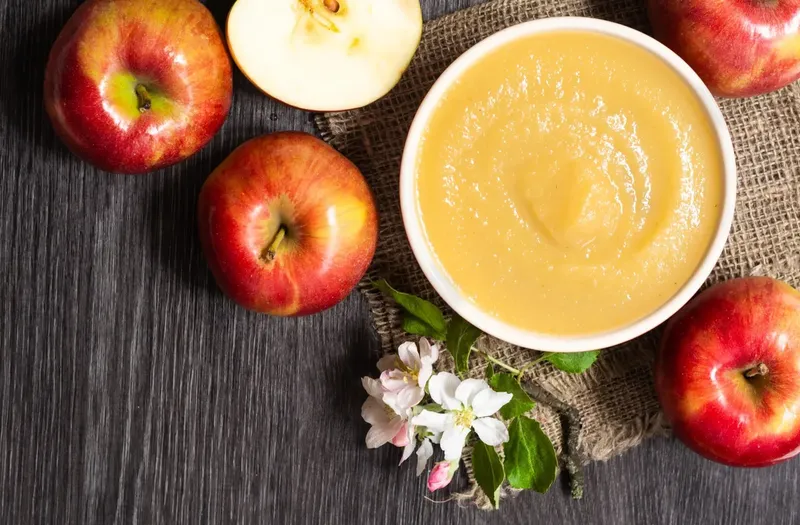
Plain unsweetened applesauce is safe for goats in small amounts. Because it is nothing more than cooked, pureed apple, it carries the same basic nutrition as the fresh fruit it comes from, just in a softer form.
Cooking changes the texture but not the core safety of the apple itself. The pureeing process also strains out the seeds and tough core, which removes one of the few real hazards whole apples carry.
What cooking and processing can add, though, is the problem. A jar of store-bought applesauce is often a very different food from a raw apple, loaded with sugar that a goat’s diet was never designed to handle.
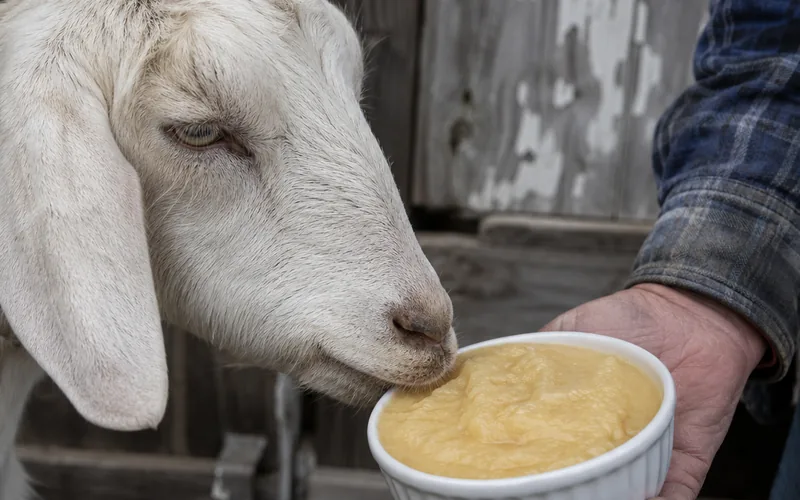
So the honest answer is a conditional yes. Kept as an occasional extra rather than a food group, plain applesauce fits neatly into responsible goat nutrition.
How Applesauce Affects a Goat’s Rumen
In short, applesauce sends sugar into the rumen faster than fiber does, and too much at once upsets the microbial balance.
Goats are ruminants, which means their digestion runs through a large fermentation chamber called the rumen. That chamber is packed with microbes that break down fiber from hay, grass, and browse.
That system thrives on a steady, forage-first diet. Sugary, quick-digesting foods like applesauce ferment fast, and that speed can tip the rumen’s chemistry out of balance.
Why Sugar Is the Real Concern
When a goat eats too much sugar at once, rumen microbes produce a flood of acid. That acid buildup can trigger lactic acidosis, a painful and sometimes dangerous drop in rumen pH.
Applesauce is smoother and faster to absorb than a solid apple, so its sugars hit even quicker. There’s no chewing and no slow breakdown to buy time, which is exactly why portion control matters more here than it does with whole fruit.
Keeping Treats Under 10% of the Diet
The standard rule of thumb keeps treats under 10% of a goat’s daily intake. The other 90% should come from hay, pasture, browse, and a balanced mineral supply.
Good nutrition and long-term health always come first, and no snack should crowd out the nutrients a goat gets from forage. Keep applesauce in the “reward” column, not the “meal” column, and the rumen stays happy.
Sweetened vs. Unsweetened Applesauce
The short version: unsweetened is safe, sweetened is not. Added sugar is what turns a harmless treat into a digestive risk.
This is the single most important distinction, and it is one most feeding guides skip entirely. Two jars labeled “applesauce” can be worlds apart in how safe they are for livestock.
Unsweetened applesauce made from apples and water is the version you want. Sweetened applesauce, packed with added sugar or high-fructose corn syrup, pushes a goat’s sugar load into risky territory fast.
Reading the Ingredient Label
Flip the jar over before you buy. The ingredient list should read simply: apples, water, maybe a touch of ascorbic acid for freshness, and nothing else.
Watch out for “no sugar added” varieties too, because some replace sugar with xylitol. Xylitol is a sweetener that is toxic to many animals, so it has no place anywhere near your herd.
The Cinnamon and Spice Problem
Cinnamon-spiced and flavored applesauce should stay off the menu. A trace of cinnamon is unlikely to harm a goat, but the concentrated spice blends and preservatives in commercial versions can irritate a sensitive digestive system.
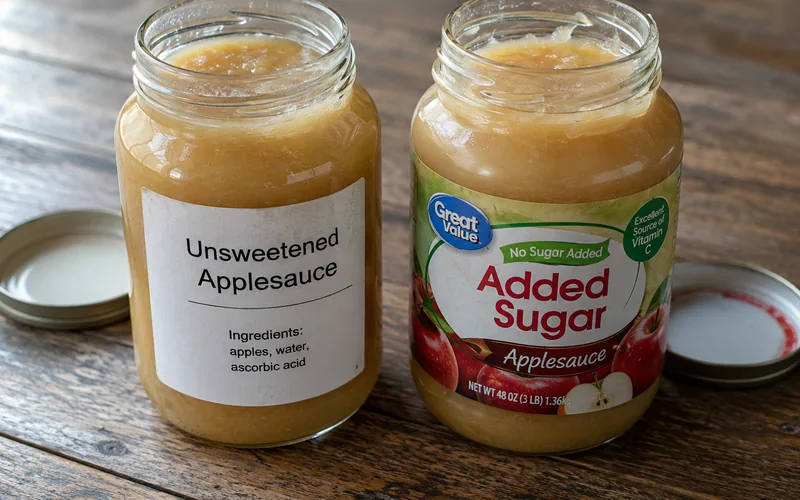
When in doubt, plain wins. The blander the applesauce, the closer it is to the whole fruit a goat can handle.
What About Apple Seeds in Applesauce?
Put simply, apple seeds aren’t a concern in applesauce, because cooking and straining remove them before they reach your goat.
Whole apple seeds are the one part of an apple worth worrying about. They contain amygdalin, a compound that releases small amounts of cyanide when chewed and digested.
Here’s the reassuring part. Cooking and straining pull out the seeds and core, so a proper puree carries none of that risk.
Homemade batches deserve a quick check to confirm you cored the apples first. As long as the seeds are out, the amygdalin concern disappears entirely, which is one quiet advantage applesauce has over a whole apple.
How Much Applesauce Can a Goat Have?
Here’s what matters: one to two tablespoons, once or twice a week, is the safe ceiling for an adult goat.
Think in spoonfuls, not scoops. A couple of tablespoons is plenty for a full-grown goat, and even that should be an occasional thing rather than a routine.
Too much in one sitting tends to cause loose droppings from the sugar and moisture. If you’re only using it to hide medicine, a single tablespoon is all you need.
| Goat type | Safe portion | Frequency |
|---|---|---|
| Adult goat | 1 to 2 tablespoons | 1 to 2 times per week |
| Pregnant doe | 1 tablespoon | Occasional only |
| Older goat | 1 tablespoon | Occasional only |
| Baby kid | None until weaned | Not recommended |
Feeding Frequency
Applesauce isn’t an everyday food. A spoonful once or twice a week keeps it firmly in treat territory without flooding the rumen with sugar.
Feed it more often than that and you’re slowly nudging your goat’s diet in the wrong direction. Rotate it with other safe snacks instead of leaning on the same sweet puree.
Kids, Pregnant Does, and Older Goats
Baby kids should skip applesauce until they are reliably eating solid feed. Their developing rumen handles hay and grain far better than a sugary puree.
Pregnant does and older goats can have the occasional spoonful, but their nutritional priorities lie elsewhere. Quality forage and minerals do far more for them than sugar ever will.
Using Applesauce to Give Goats Medicine
Yes, and hiding medicine is arguably applesauce’s single best use for goat owners.
This is where applesauce truly earns its place in the barn. Goats are experts at spitting out pills, powders, and anything bitter, which makes dosing a battle.
How to Mix and Dose It
Applesauce works as a delivery vehicle for oral medication. Mix a crushed tablet or a measured deworming powder into a spoonful, and the sweetness masks the bitter taste your goat would otherwise reject.
Load the mixture into a needle-free syringe and squeeze it into the side of the mouth for the cleanest delivery. The same trick works for vitamin pastes and supplements, and some owners lean on ripe bananas for the same masking effect.
Keep the dose small enough that the goat swallows it in one go, so the medicine goes down instead of onto the ground.
Homemade vs. Store-Bought Applesauce
Making It at Home
Making your own applesauce takes about twenty minutes and hands you full control over the ingredients. Core and chop a few apples, simmer them with a splash of water until soft, then mash.
No need to peel them either, since goats couldn’t care less about skin texture. A batch keeps in the fridge for about a week, or you can freeze portions for later.
Buying It at the Store
Store-bought unsweetened applesauce is perfectly fine when you’re short on time. Just read the label, skip anything with a long ingredient list, and you’re set.
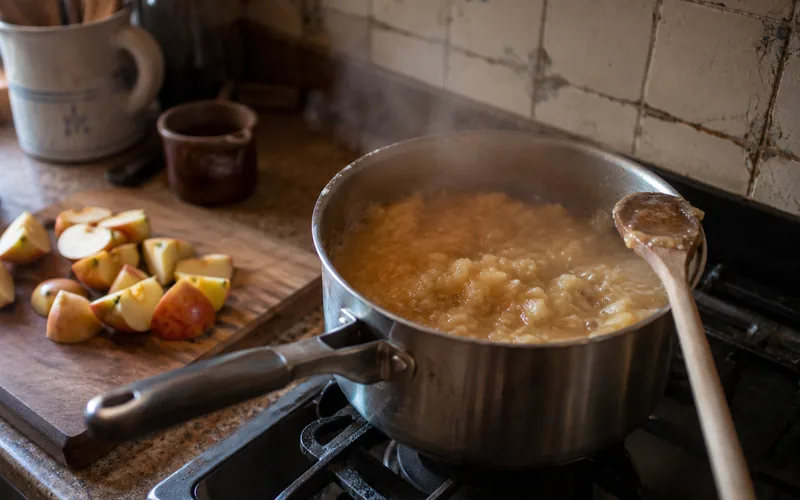
Bruised windfall apples make excellent homemade sauce. It’s a satisfying way to turn orchard scraps into a treat your goats will crowd the fence for.
Safe Treats to Pair With Applesauce
Variety keeps treat time interesting and stops any single food from dominating the diet. Applesauce plays nicely alongside plenty of other goat-safe options.
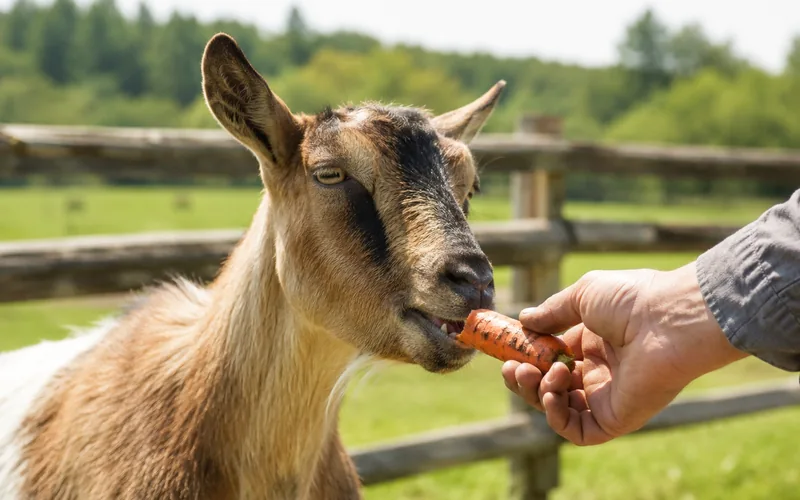
Crunchy carrot pieces bring fiber and beta-carotene without the sugar spike of a puree. Chunks of watermelon or its rind make a hydrating warm-weather snack, and pumpkin offers a fiber-rich fall option.
Halved kiwi is another easy pick, since goats can eat the fuzzy skin and seeds too.
Rotating these fruits and vegetables gives your goats a broader range of nutrients. It also keeps applesauce feeling special instead of routine.
Foods and Forms to Keep Away From Goats
Knowing what to avoid matters just as much as knowing what is safe. Some pantry staples that seem harmless are anything but for a ruminant.
Citrus fruit is a common culprit, since the acid can really upset the rumen. Bread and other processed human foods offer little real nutrition and can disrupt digestion, and corn should only ever appear in small, infrequent amounts.
Why the Liquid Form Is Riskier
The liquid form of fruit is its own trap. Sweetened fruit juice delivers a concentrated sugar hit with none of the fiber that slows things down, which is a fast track to digestive upset.
Chocolate, caffeine, onions, and garlic round out the no-list. When a food is heavily sweetened, salted, or spiced, keep it away from the herd.
Final Word
Applesauce is a safe, easy treat for goats as long as you stick to the plain unsweetened kind and keep the portions to a spoonful or two. Its best trick is hiding medication that your goats would otherwise launch across the barn.
Read the label, skip the sugar and spice, and let forage do the heavy lifting in their diet. Get that balance right, and a little applesauce turns into a genuinely useful tool rather than a risk.
Frequently Asked Questions
Never feed goats sweetened or flavored applesauce, chocolate, citrus fruit, bread, and anything containing xylitol or added corn syrup. These add sugar, acid, or toxins that a goat's rumen cannot process safely. Stick to plain, whole, goat-appropriate foods instead.
No, applesauce should not be a daily food. The natural and added sugars build up quickly and can throw off rumen balance. Offer a spoonful or two once or twice a week at most, and keep all treats under 10% of the daily diet.
Commercial and properly made homemade applesauce strains out the seeds, so this is rarely a concern. Whole apple seeds contain amygdalin, which releases small amounts of cyanide, but the trace levels in pureed sauce are not a realistic danger.
A pregnant doe can have a spoonful of plain unsweetened applesauce as an occasional treat. She does not need the extra sugar, though, and benefits far more from quality hay, minerals, and a balanced ration than from sugary purees.