| # | Product | Our Rating | ||
|---|---|---|---|---|
| 1 |  | Best OverallNite Guard Solar Predator Light | ★★★★★ | Check Price |
| 2 |  | Solar Predator Deterrent Eyes (4-Pack) | ★★★★☆ | Check Price |
| 3 | 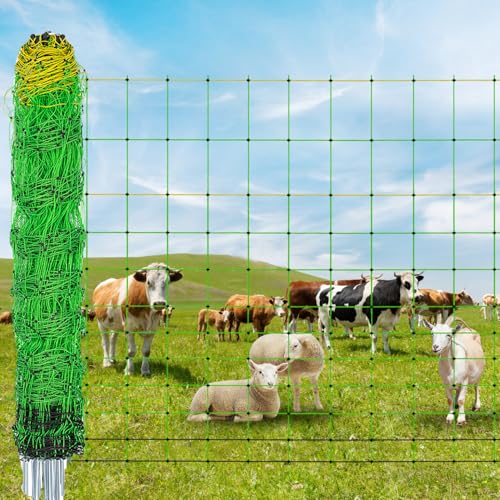 | Electric Net Fence for Goats | ★★★★☆ | Check Price |
Owning goats means accepting that something out there wants to eat them. Goats are prey animals, small and largely defenseless, and predators learn fast where an easy meal lives.
The good news is that the right setup makes attacks rare. Most goat losses come down to gaps in protection that are entirely preventable.
This guide covers which predators actually threaten goats, how to tell what attacked your herd, and the layered defenses that keep them safe.
What Animals Kill Goats?
The predator list varies by region, but a few animals do the bulk of the damage. Knowing your local threats tells you what to defend against.
Coyotes are the number one goat predator across most of North America. They are adaptable, found nearly everywhere, and will test any weakness in your fencing or routine.
Domestic and feral dogs are a close second, and in many areas they kill more goats than wild predators do. Loose dogs often attack in daylight and kill for sport, leaving multiple wounded animals rather than one clean kill.
Larger predators include mountain lions, bobcats, and bears, which are powerful enough to take adult goats. Smaller threats like foxes, raccoons, and large birds of prey mostly target kids, though a fox can absolutely kill a goat when it gets the chance.
Signs of a Predator Attack
When you lose a goat, the evidence often tells you what did it. That matters, because different predators call for different responses.
Coyotes and other canids usually attack the throat and leave bite marks on the neck, then feed on the soft organs first. They tend to take or hide part of the carcass.
Big cats like mountain lions also go for the neck and skull but are cleaner and stronger, often dragging the carcass away and covering it with debris to return later. Domestic dogs are the messiest, leaving scattered bite wounds over the hindquarters and legs, multiple injured survivors, and no real attempt to feed.
Look for tracks, scat, and how the fence was breached. Dug-under wire points to canids, while a clean jump-in over a tall fence suggests a cat.
How to Protect Goats from Predators
No single tool keeps every predator out, so the winning strategy is layered defense. Each layer covers what the others miss.
Start with the fence. A charged electric fence or tight woven-wire perimeter is your first and most important barrier, which is why getting the right goat fencing in place matters as much for predators as it does for containment.
Lock goats up at night. Most predators hunt after dark, so closing the herd into a secure goat shelter at dusk removes them from the menu during the highest-risk hours. A sturdy, fully enclosed structure with a latched door is ideal.
Add deterrents and remove attractants. Solar predator-deterrent lights that flash like the eyes of a larger animal discourage coyotes from approaching, and bright motion lights around the barn help too. Just as important, clean up anything that draws predators in, including carcasses, afterbirth during kidding, and spilled grain.
The single most effective layer for most farms, though, is a living one.
Livestock Guardian Animals
A good guardian animal is the closest thing to round-the-clock protection, and for many keepers it is the difference between constant losses and none. Unlike a fence, a guardian works during the day too.
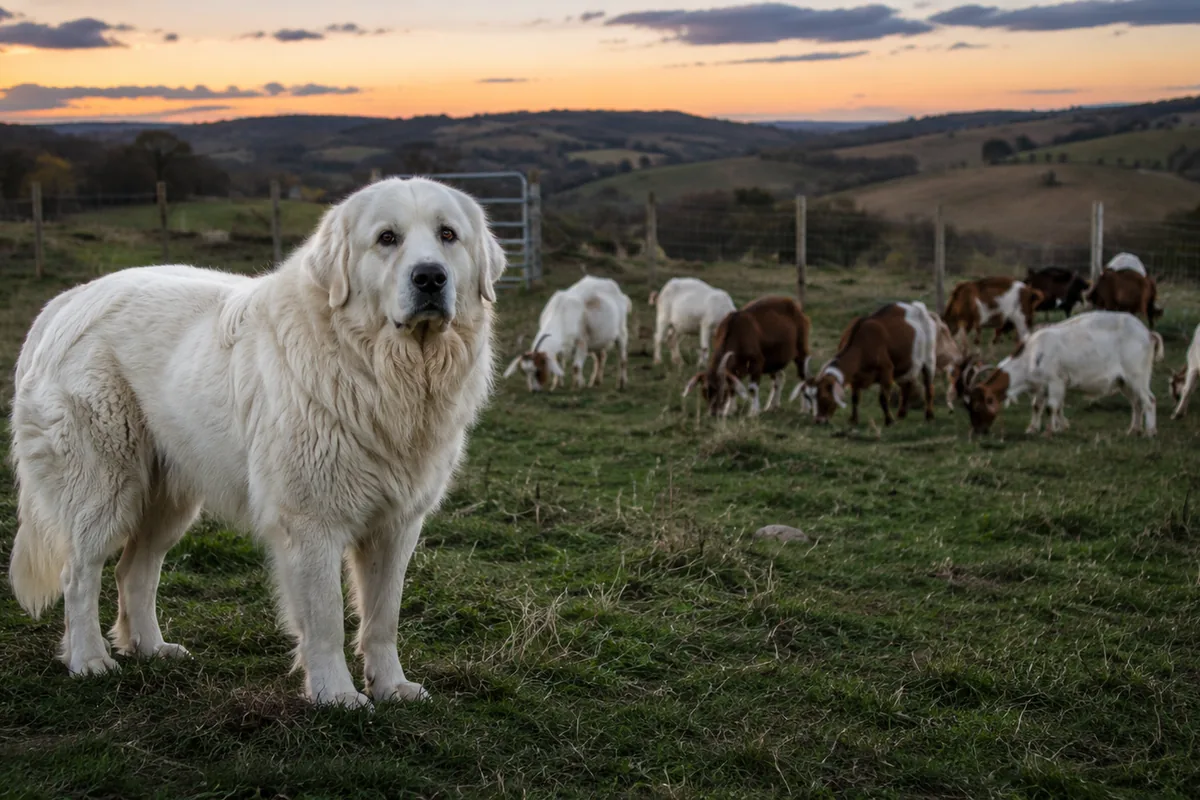
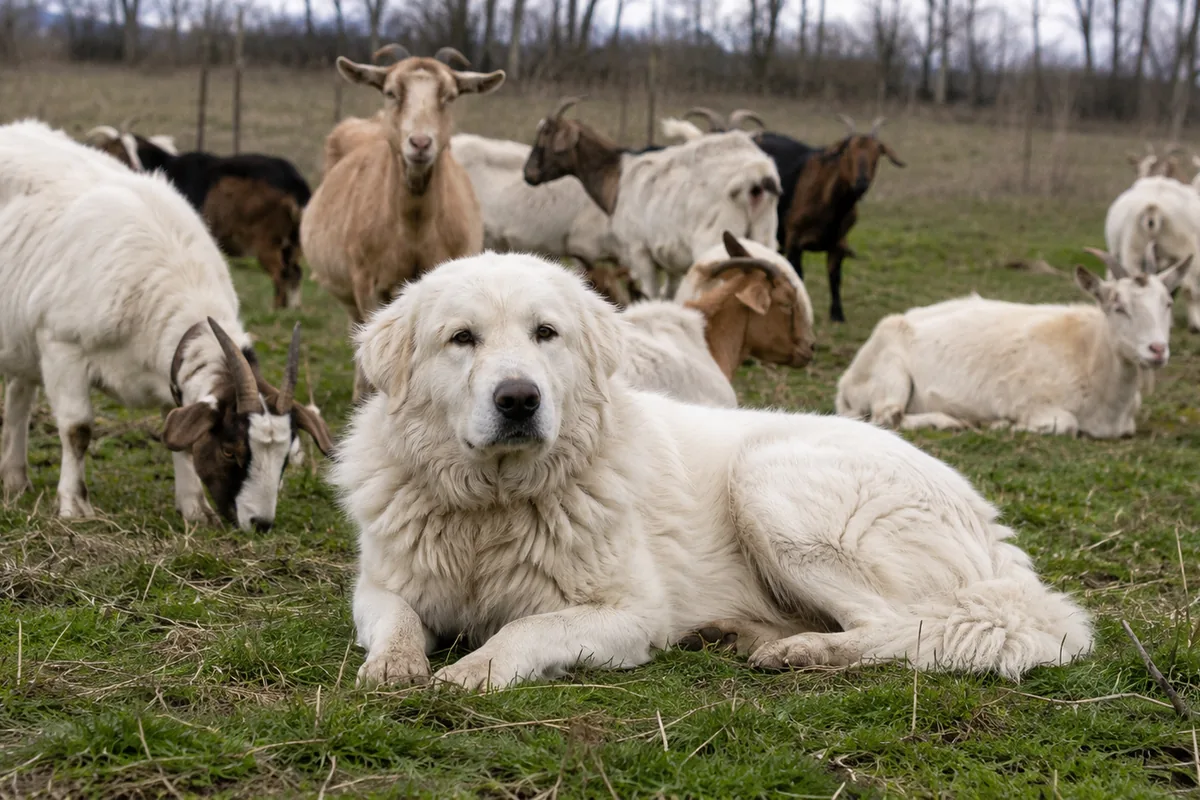
Livestock guardian dogs are the gold standard. Breeds like the Great Pyrenees, Anatolian Shepherd, and Maremma bond with the herd from puppyhood and instinctively drive off anything that threatens it. They need training and good fencing of their own, but a working pair can protect goats against coyotes, dogs, and even larger predators.
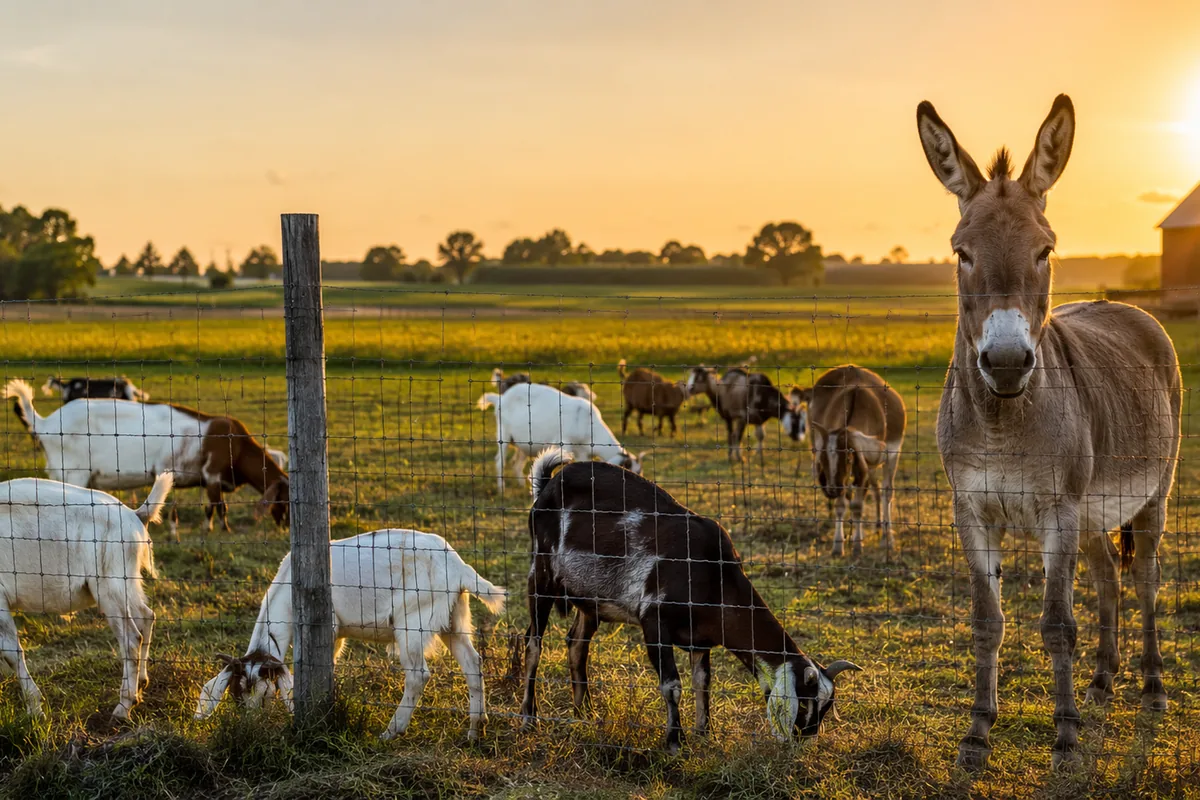
Guardian donkeys and llamas are excellent lower-maintenance alternatives. A single jenny donkey or gelded llama raised with goats will chase and stomp coyotes and loose dogs, graze on the same pasture, and need far less specialized care than a dog. They work best against single predators rather than packs.
Whichever you choose, a guardian must be raised and bonded with the goats to work. A guardian animal that ignores the herd or treats kids as playthings is no help at all.
Protecting Kids and Small Goats
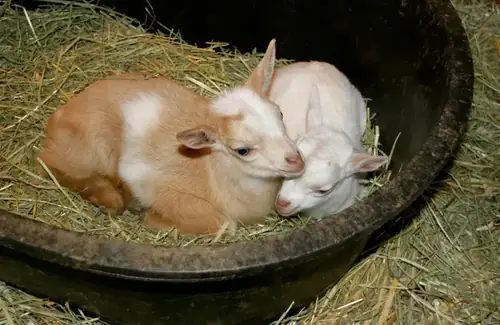
Newborn kids and miniature breeds are the most vulnerable members of any herd. Predators that cannot take an adult goat will happily grab a kid.
During kidding season, keep pregnant does and newborns in a secure, enclosed area close to the house. Afterbirth is a powerful predator attractant, so clean it up promptly and do not let does kid in open pasture if you have predator pressure.
Small predators become real threats to kids. A raccoon is no danger to an adult, but a raccoon can kill a goat kid, and foxes, bobcats, and large hawks or eagles will all target the smallest animals. Overhead cover or a roofed pen protects against birds of prey.
Keep kids in at night without exception until they are large and fast enough to keep up with the herd. The few weeks of extra effort during kidding season prevent the most heartbreaking and avoidable losses.
Sources and Further Reading
Compiled and cross-checked against established livestock and extension references:
- USDA APHIS Wildlife Services, livestock predation reports
- University extension publications (Oklahoma State, Maryland, Cornell) on predator control and guardian animals
- American Dairy Goat Association (ADGA) management resources
- Langston University, Meat Goat Production Handbook, predator management
Predator pressure varies enormously by region and season. Layer your defenses, lean on a good guardian animal, and protect kids hardest, and goat losses become rare rather than routine.
Frequently Asked Questions
Coyotes are the single most common goat predator across most of North America, followed very closely by domestic and feral dogs. Loose neighborhood dogs actually kill more goats in some areas than wild predators do, because they often attack in daylight and kill for sport rather than food. Other threats include mountain lions, bobcats, foxes, bears, and large raptors, but coyotes and dogs account for the majority of losses.
Use layered protection rather than relying on one method. Combine secure fencing (electric or woven wire), a livestock guardian animal such as a Great Pyrenees, donkey, or llama, and a closed shelter you lock the goats into at night. Add deterrent lights and good lighting around the barn, and remove attractants like carcasses and spilled feed. Each layer covers the gaps the others miss.
Livestock guardian dogs like the Great Pyrenees, Anatolian Shepherd, and Maremma are the gold standard, bonding with the herd and driving off predators. Guardian donkeys and llamas also work well against coyotes and single dogs, are lower maintenance, and graze alongside the goats. The right guardian depends on your predators, acreage, and budget, but any of them dramatically reduces losses.
Most wild predators like coyotes and big cats hunt at dawn, dusk, and through the night, which is why locking goats in a shelter after dark is so effective. Domestic dogs are the major exception and frequently attack in broad daylight. Because daytime attacks do happen, a guardian animal that stays with the herd around the clock is more reliable than night housing alone.
Coyotes are deterred best by a combination of a charged electric or woven-wire fence, a livestock guardian animal, and locking goats up at night. Solar predator-deterrent lights that mimic the eyes of a larger animal help discourage them from approaching after dark. Remove anything that draws coyotes in, such as carcasses, afterbirth during kidding season, and accessible feed, and never leave kids unprotected in open pasture overnight.