
| # | Product | Our Rating | ||
|---|---|---|---|---|
| 1 | 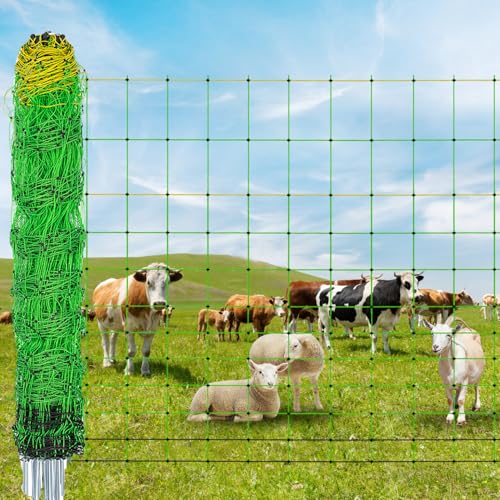 | Best OverallElectric Net Fence for Goats | ★★★★★ | Check Price |
| 2 |  | Wall-Mount Goat Hay Feeder | ★★★★☆ | Check Price |
| 3 |  | Farm Innovators Heated Water Bucket | ★★★★☆ | Check Price |
Fox predation ranks among the top concerns for goat owners across rural and semi-rural North America. USDA APHIS data shows foxes were responsible for 1,833 confirmed goat kills in a single reporting year, placing them sixth among all predators tracked nationwide.
Goat operations in every region report fox encounters, but good information on the actual risk is harder to find than you’d expect. Most sources either dismiss foxes as harmless scavengers or blow the threat out of proportion without any real data behind it.
Here, we’ll cover which goats are actually in danger, how fox predation works in practice, and the steps that genuinely protect your herd — all grounded in documented evidence rather than speculation.
How foxes hunt and choose their prey
In short, foxes are ambush hunters built for catching rabbits, not goats. Livestock only becomes a target when wild prey is scarce.
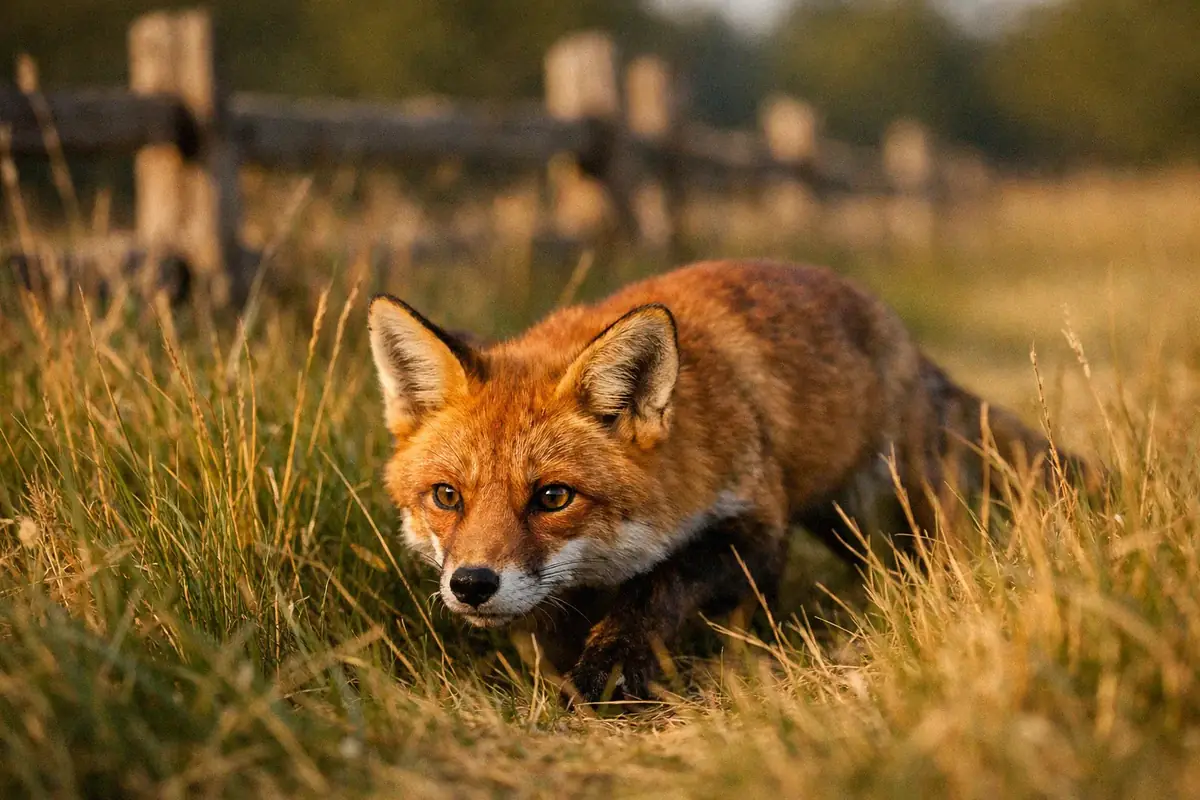
Red foxes survive on a varied diet of rodents, rabbits, birds, insects, and seasonal fruit. Their hunting approach depends on stealth and ambush rather than prolonged chase.
A fox stalks low through ground cover and pounces from above, relying on sharp hearing to pinpoint movement beneath grass or snow. This technique works best against animals roughly rabbit-sized or smaller.
Livestock only enters the picture when natural food runs short. Late winter, early spring, and drought conditions push foxes toward riskier targets they’d normally ignore.
This shift from wild prey to farm animals isn’t random — it’s driven by food scarcity, breeding demands, and pressure from bigger predators like coyotes. A fox with plenty of rabbits and mice nearby has no reason to approach a fenced pasture.
A single red fox holds a territory of 2 to 5 square miles in rural areas, though this shrinks in suburban zones where food concentrates. If your goat pasture sits within an established fox territory, repeated visits become nearly inevitable once the animal identifies your livestock.
Research from Australia’s CSIRO, summarized in Wildlife Online’s livestock predation review, confirms that fox diets shift substantially based on local prey availability. When rabbit populations crashed following calicivirus outbreaks, fox predation on lambs and goat kids increased measurably across affected regions.
A vixen raising a litter of four to six pups needs to hunt almost continuously from March through June. This parental demand drives many of the spring livestock losses that goat owners report each year.
Do foxes hunt in packs?
No. Foxes are solitary hunters, not pack animals. A single fox works alone, which limits the size of prey it can realistically take down — and is the main reason healthy adult goats are rarely targeted.
Which goats are at risk from fox attacks
Not every goat faces the same risk here. What makes one animal a target and another a non-issue comes down to size, age, and physical condition.
Newborn kids and young goats
Kids under two weeks old represent the most vulnerable targets for fox predation. At birth, most goat kids weigh between 5 and 9 pounds and cannot outrun or defend themselves against any predator.
A fox weighing 10 to 15 pounds has no trouble overpowering a newborn kid. The danger peaks during the first 72 hours of life, before kids develop enough coordination and strength to keep up with their mothers.
When a doe kids out in open pasture with no shelter, that’s the worst-case scenario. Even an attentive mother can’t fight off a determined fox while protecting multiple newborns at once.
Afterbirth and birthing fluids left in the field act as powerful attractants that foxes can detect from considerable distances. Cleaning up kidding areas promptly reduces the scent signals that draw predators toward your most vulnerable animals.
Miniature and dwarf breeds
Pygmy goats, Nigerian Dwarf goats, and other miniature breeds remain at elevated risk well past the newborn phase. Adult pygmy goats weigh only 50 to 75 pounds, and their kids are significantly smaller than standard breed offspring.
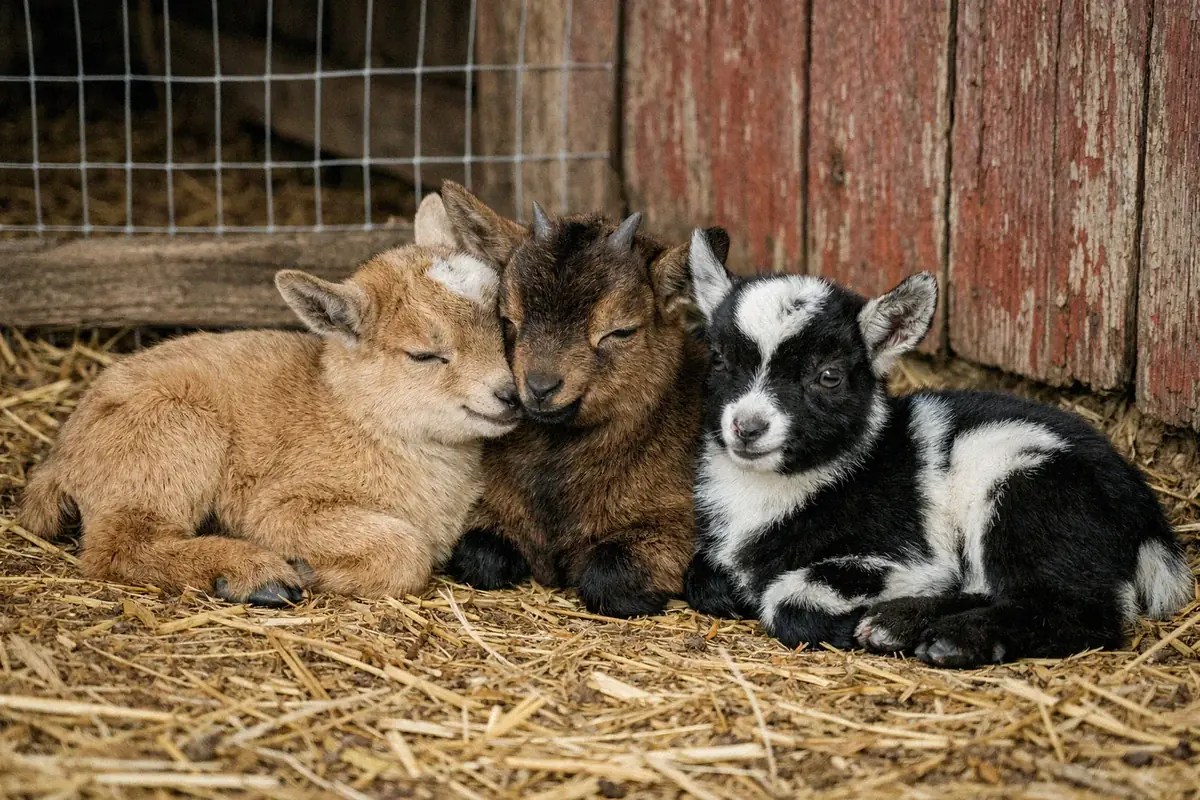
A full-grown Nigerian Dwarf doe stands roughly 17 to 19 inches at the shoulder. This keeps even adult miniature goats within the size range that a bold or starving fox may attempt to attack, particularly when housed alongside other small animals.
Sick, injured, or isolated animals
Foxes have a knack for spotting weakness. A goat recovering from illness, limping on a bad hoof, or wandering away from the herd sends signals that predators pick up on immediately.
Tethered goats face especially high risk because they cannot flee or cluster with the rest of the herd for safety. A goat staked out alone becomes a fixed target with no escape route.
Can adult goats fight off a fox?
A healthy, full-sized adult goat can usually hold its own. Goats over 100 pounds have the strength to kick and headbutt a fox weighing just 10 to 15 pounds.
The real danger is to animals that can’t mount a defense — newborns, small breeds, and restrained or weakened goats.
Fox species that threaten goat herds in the United States
The red fox is the only species that poses a serious risk to goats. Four fox species live across the continental United States, but they don’t all pose the same level of threat.
The red fox (Vulpes vulpes) is the most widespread and the greatest danger to goats. Red foxes weigh 8 to 15 pounds and thrive across farmland, suburban edges, and mixed forests in nearly every state.
Red fox populations have pushed steadily into suburban and exurban areas over recent decades. Hobby farms on the outskirts of towns now encounter foxes far more often than remote rural operations did a generation ago.
The gray fox (Urocyon cinereoargenteus) is smaller and more secretive, preferring dense woodland and heavy brush. Weighing 7 to 13 pounds, gray foxes seldom venture into the open pastures where goats typically graze.
The kit fox (Vulpes macrotis) and swift fox (Vulpes velox) live primarily in western and central plains states. Both species weigh under 7 pounds and rarely pose any meaningful threat to goats regardless of size.
Red foxes are behind the vast majority of fox-related livestock losses in the country. If something’s been going after your goats, it’s almost certainly a red fox.
When fox attacks are most likely
Late winter through early spring is peak danger — that’s when kidding season and fox pup-rearing overlap. Knowing these high-risk windows lets you focus your protective measures where they’ll actually count.
Seasonal patterns
Kidding season creates the most dangerous window for fox attacks on goats. Across most of the United States, this spans late winter through early spring and overlaps directly with the period when foxes are feeding growing pups in their dens.
Fox breeding season runs from January through March in most regions. Pregnant vixens and nursing mothers need roughly 30 percent more daily calories than usual, making them far more willing to attempt risky hunts on livestock.
Late spring through summer carries moderate risk as juvenile foxes disperse from natal dens and establish new territories. These young, less experienced hunters are more likely to test livestock as easy targets.
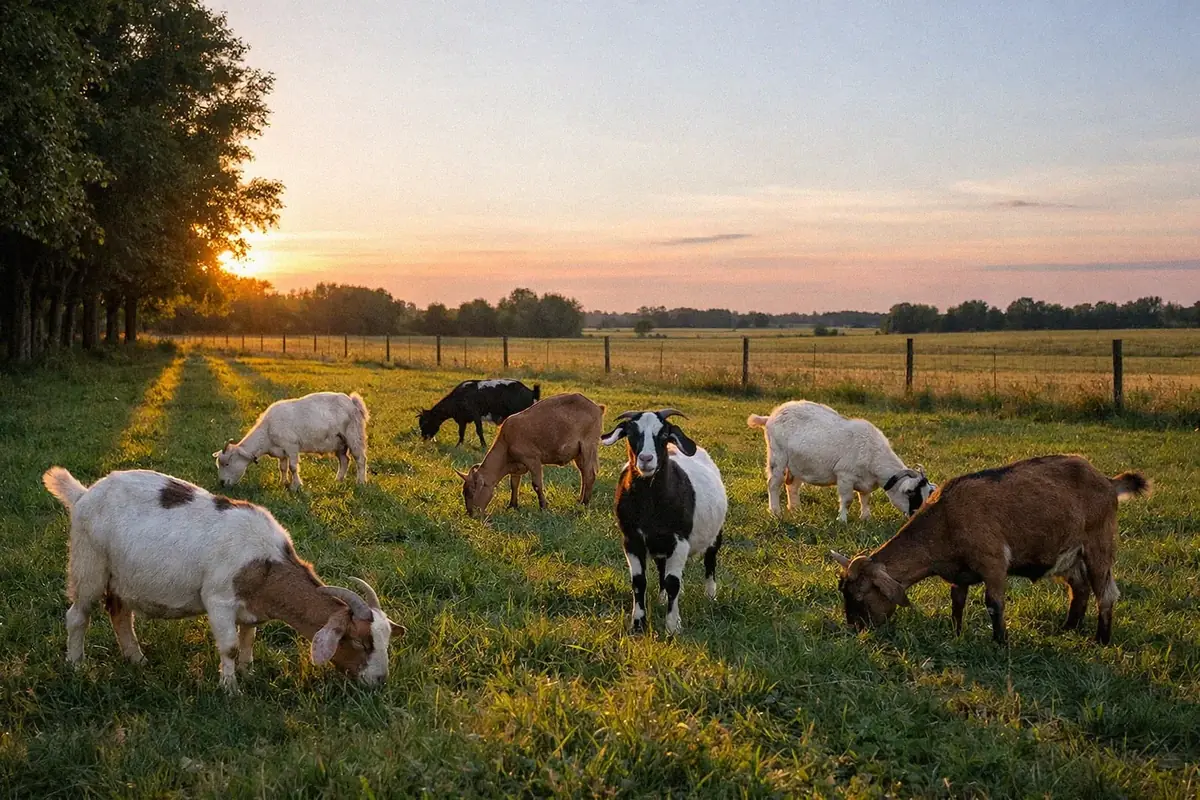
Fall and early winter bring the lowest predation threat. Rabbit, mouse, and vole populations typically reach their annual peak, providing foxes with plenty of low-risk food alternatives.
Keep in mind that these timelines shift depending on your region. Kidding season in the deep South may start weeks earlier than in northern states, and local fox breeding cycles follow the same geographic pattern — so match your heightened security measures to your area’s specific calendar.
Time of day
Foxes are crepuscular and nocturnal hunters, meaning dawn, dusk, and nighttime carry the greatest danger. Goats left outside for extended periods after dark face substantially higher predation risk than animals secured in an enclosed shelter.
Daytime fox attacks on goats do occur but are rare. A fox approaching livestock in broad daylight typically signals a rabid, starving, or human-habituated animal that warrants immediate action.
How a fox kills a goat
A fox typically kills by biting the throat and then feeding on internal organs through an opening behind the ribs. If something kills one of your goats, these distinctive marks look nothing like coyote, dog, or raptor damage.
Attack methods
Foxes typically strike the throat with a killing bite that collapses the windpipe of small prey. On goat kids, they may deliver multiple bites across the neck and upper back instead of a single throat hold.
Unlike coyotes, foxes lack the jaw strength to crush large bones. They feed primarily on internal organs, accessing the body cavity through an opening behind the ribs.
Physical evidence at the scene
Here’s what a fox kill usually looks like:
- Bite marks concentrated on the throat, neck, or base of the skull
- Internal organs consumed through an entry point behind the ribcage
- Large bones left intact and unchewed
- Carcass partially buried or dragged away from the original location
- Minimal disturbance to the rest of the herd
Foxes frequently carry smaller prey entirely away from the kill site. When a young kid vanishes overnight with no blood trail or visible signs of struggle, a fox ranks among the strongest suspects.
How fox kills differ from other predators
Raccoons also target newborn kids in a comparable size range but leave very different physical evidence. Raccoon kills show bites to the head and abdomen paired with extensive clawing, while fox kills present cleaner throat wounds with far less surface trauma.
Coyote attacks produce crushed bones and a collapsed trachea from their substantially greater jaw pressure. Dog attacks are disorganized, scattering bite wounds across the body and legs, often injuring multiple goats in one incident without consuming anything.
Eagles and other raptors leave deep talon punctures across the back and upper shoulders, typically peeling the hide away from the carcass. Knowing these distinctions makes predator identification far more reliable when you examine the scene.
If you can’t determine the predator yourself, photograph the carcass and wound patterns, then contact your county agricultural extension agent. Many offices can identify the predator from evidence photos alone, which keeps you from spending time and money on the wrong prevention approach.
Signs that foxes are near your goats
Catching fox activity early buys you time to shore up defenses before anything happens. Here are the telltale signs to watch for.
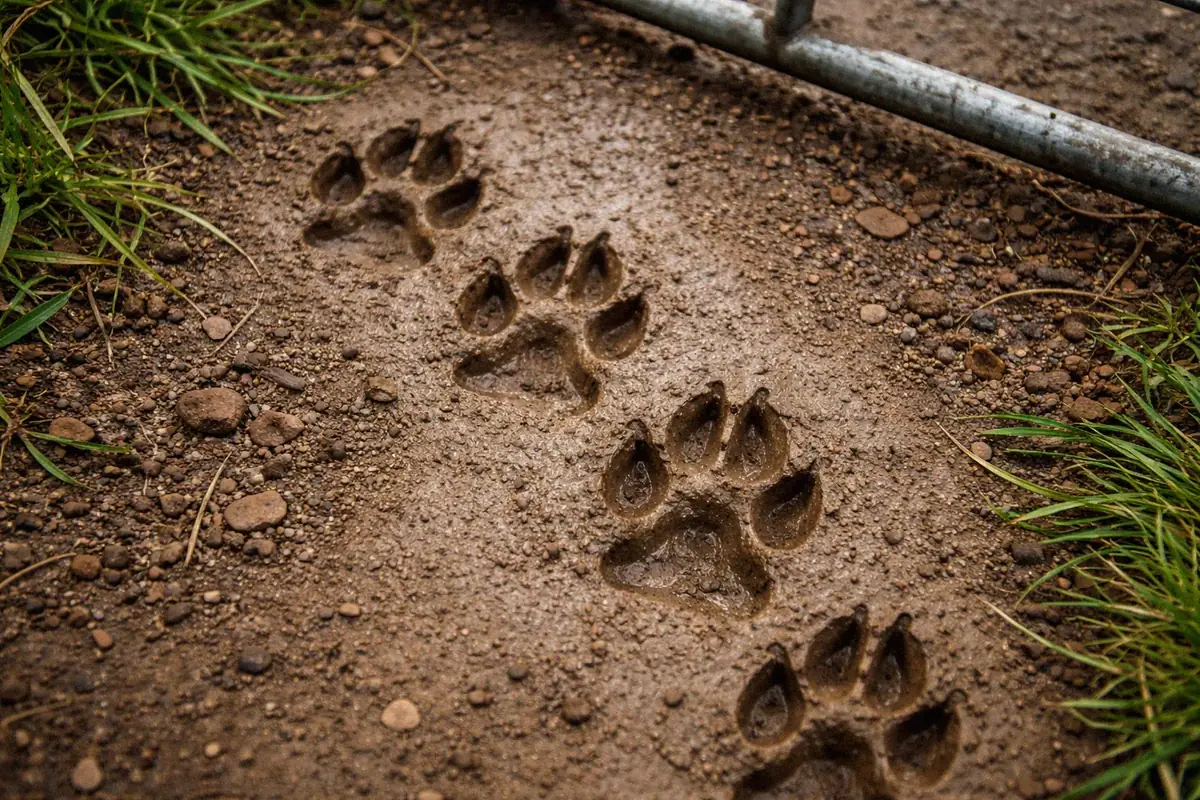
Tracks: Fox prints measure 1.25 to 2.5 inches long and display a narrow, oval shape with all four toes pointing forward. They form a straight, single-file line, unlike the staggered pattern domestic dogs leave behind.
Scat: Fox droppings are long, ropey, and often segmented, typically 1.25 to 1.75 inches in diameter and 3 to 6 inches long. They frequently contain fur, feather fragments, and berry seeds, and foxes often deposit them on elevated surfaces like rocks, stumps, or fence posts.
Scent marking: Foxes leave a sharp, musky odor along territory boundaries. A pungent, skunk-like smell detected along fence lines or near the barn without any skunk sighting strongly suggests foxes are marking the area.
Dens: Red fox dens appear as holes roughly 8 to 10 inches in diameter, frequently dug into slopes or embankments within 500 yards of grazing areas. Scattered prey remains, feathers, and matted vegetation near the entrance confirm active use.
Vocalizations: Fox barks are sharp, single-note screams most often heard after dark. These calls increase in frequency during the January-through-March breeding season and confirm foxes are actively working your area.
Trail cameras: A motion-activated camera mounted along fence lines or known wildlife corridors captures proof of fox visits you’d otherwise miss entirely. Even budget trail cameras work well for nighttime identification.
Monitoring for these signs weekly during high-risk months creates an effective early warning system. Fresh tracks or scat near your goat enclosure means a fox is actively scouting the area and an attack could follow within days.
Fox attacks compared to other goat predators
Nationally, foxes account for about 1.5% of all predator-caused goat deaths — ranking sixth overall. They sit well below coyotes, domestic dogs, and raptors in total livestock losses.
USDA APHIS data puts the full picture in perspective.
| Predator | Confirmed Kills | Share of Total Losses |
|---|---|---|
| Coyotes | 52,830 | 43.1% |
| Domestic dogs | 26,931 | 22.0% |
| Predatory birds | 6,328 | 5.2% |
| Bobcats and lynx | 5,933 | 4.8% |
| Mountain lions | 3,707 | 3.0% |
| Foxes | 1,833 | 1.5% |
| Feral pigs | 1,477 | 1.2% |
| Bears | 687 | 0.6% |
| Wolves | 393 | 0.3% |
Coyotes alone kill more goats than every other predator combined. Domestic dogs rank second — and that surprises most owners.
Stray and roaming pet dogs kill more goats than wolves, bears, mountain lions, bobcats, foxes, and feral pigs put together. For farms near residential areas, managing loose dogs may matter more than any wildlife predator strategy.
Foxes sit in the middle of the ranking at 1.5% of total losses. They are a legitimate concern for herds running miniature breeds or allowing unattended kidding, but nationally, they represent far less danger than coyotes, dogs, or raptors.
Fox predation percentages climb notably on operations with pygmy or dwarf breeds and no guardian animals. A small hobby farm with Nigerian Dwarf goats and no livestock protection faces considerably higher per-herd fox risk than these national averages suggest.
How to protect your goats from foxes
The most reliable defense combines secure fencing, a livestock guardian animal, and nightly barn lockup — particularly during kidding season. No single method works perfectly alone, but stacking them together cuts your predation risk dramatically.
Fencing and enclosure design
Standard field fencing alone won’t stop a determined fox. These animals can squeeze through gaps as narrow as 4 inches and will dig right under any fence that lacks ground-level reinforcement.
The strongest barrier uses woven wire fencing with the bottom edge buried 6 to 12 inches underground or secured by a concrete apron. Adding one or two strands of electric wire along the bottom and top creates an additional deterrent layer.
The Alabama Cooperative Extension System takes this further, recommending electric strands on the interior, exterior, top, and bottom of the fence for maximum predator exclusion around sheep and goat enclosures.
Electric netting designed for poultry containment works surprisingly well for fox exclusion around smaller goat paddocks. These portable systems reposition easily and deliver sufficient shock to discourage repeat approaches.
Walk your entire fence perimeter at least once per month, checking for dig marks, bent wire, and gaps at gates. Foxes probe fences repeatedly before committing to an entry point, and early signs of testing give you a chance to reinforce before a breach occurs.
Livestock guardian animals
For long-term fox defense, nothing beats a good guardian animal. You’ve got three main options, and each one brings something different to the table.
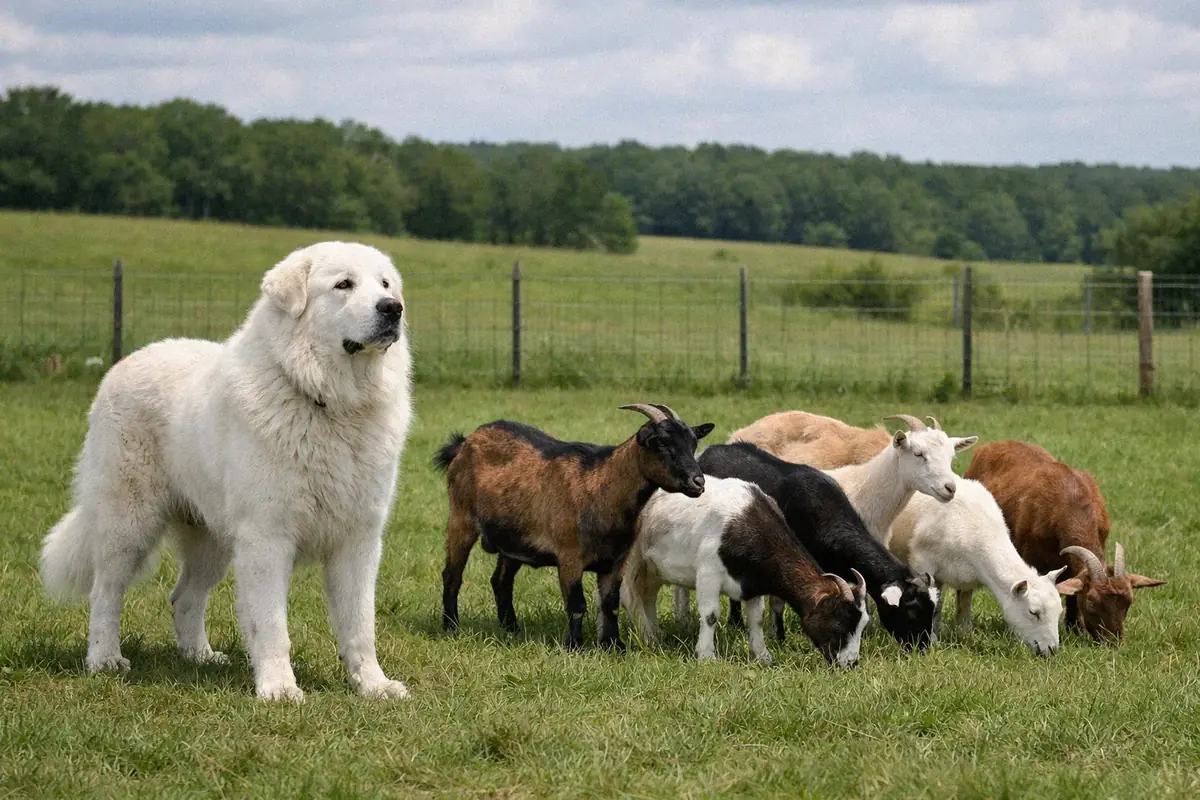
Livestock guardian dogs like Great Pyrenees, Anatolian Shepherds, and Maremmas offer the most comprehensive protection. Their scent, active patrol routes, and steady barking presence keep foxes at a distance around the clock.
Donkeys harbor a deep instinctive hostility toward canines and will actively chase, kick, and stomp any fox that enters the pasture. They cost less to acquire and maintain than guardian dogs and require almost no specialized training.
Llamas fall between dogs and donkeys in effectiveness. They naturally integrate with goat herds and will charge small predators on sight, though they are less confrontational than donkeys and less reliable against larger threats.
One guardian animal per 20 to 30 goats is a solid starting ratio. You may need more depending on pasture size, rough terrain, and how active predators are in your area.
Allow a bonding period of four to six weeks in a confined area before giving any new guardian animal full pasture access. This builds the protective bond between the guardian and your herd that makes the arrangement effective.
Deterrents and habitat management
Get rid of everything that draws foxes to your property in the first place. Unsecured feed storage, open compost piles, and exposed trash attract rodents — and where rodents gather, foxes follow.
Motion-activated lights, sprinklers, and ultrasonic devices offer short-term deterrent value. Foxes adapt quickly, so rotate positions and swap device types every few weeks to keep them effective.
Clear brush, tall grass, and dense ground cover for at least 50 feet around all goat enclosures. Foxes depend on concealment when approaching prey, and open sightlines remove their most important tactical advantage.
Ammonia-soaked rags placed near fence lines and entry points create a scent barrier that many foxes find repellent. Replace them every few days, especially after rain, to maintain effectiveness.
Nighttime lockup strategies
Moving goats into a secured barn or enclosed shelter each evening is the single most effective action you can take. A solid structure with a closed door eliminates nighttime fox access completely.
During kidding season, this step becomes absolutely essential. Does approaching their due date should transition into dedicated kidding stalls where every newborn is protected from the moment of birth.
When full nightly lockup is impractical, ensure your overnight enclosure features fox-resistant fencing on all sides with overhead coverage included. Foxes can climb and clear fences up to 6 feet tall, so top rails or netting are necessary.
Motion-sensor trail cameras positioned near barn entrances and along fence lines serve a dual purpose. They document fox activity patterns for identification and help you gauge whether your current deterrent measures are actually keeping predators at bay.
What to do after a fox attack on your goats
Finding out a fox hit your herd means you need to act fast and think clearly. What you do in the first few hours directly determines whether you lose more animals.
Inspect every goat in the herd for injuries, including animals that appear completely unharmed. Bite punctures hidden beneath thick coats are easy to miss, and untreated fox bites develop serious infections rapidly.
Any goat with bite wounds requires veterinary examination for antibiotics and proper wound management. Fox bites carry a real rabies transmission risk, so report the incident promptly to your local animal control agency or state wildlife department.
If the attacking fox showed unusual behavior — daylight aggression, staggering, or no fear of humans — quarantine any bitten goats immediately. These signs point toward rabies, and your vet needs to evaluate exposed animals before they rejoin the herd.
Document the attack scene thoroughly using photographs of the carcass, tracks, scat, and any fence damage. This physical evidence confirms the responsible predator and supports wildlife management actions or loss claims.
Reinforce your weakest defensive gap that same day. If the fox entered through a fence breach, repair it before dark.
If your goats were not secured overnight, begin lockup immediately. Foxes that succeed in an attack return to the same location nearly every time, often within 24 to 48 hours.
Contact your county agricultural extension office about legal options for managing problem foxes. Regulations on trapping, shooting, and relocation vary by state and often require permits.
Some states offer predator loss compensation through their department of agriculture. Keep detailed records of each animal’s value, breeding history, and age so you can file a claim if eligible.
Set up a trail camera at the breach point and along likely approach routes for at least two weeks following the incident. The footage confirms whether the fox has returned, reveals its travel pattern, and helps you position deterrents or traps with precision.
Final Thoughts
A fox can kill a goat, but the threat lands almost entirely on newborn kids, miniature breeds, and goats that are sick or isolated from the herd. Healthy adult goats of standard size face very little risk from any fox encounter.
Secure nighttime housing, properly built fencing, and a livestock guardian animal working together eliminate the vast majority of fox predation threats. Goats cannot reliably defend themselves against a committed predator, so the responsibility for protection falls entirely on you.
Fox attacks account for just 1.5% of total predator-related goat losses across the United States. Everything covered in this guide is simple to set up, won’t break the bank, and works well as long as you stay consistent with it.
Frequently Asked Questions
Daytime fox attacks are uncommon but not impossible. Foxes hunt primarily at dawn, dusk, and through the night. A fox approaching livestock in broad daylight may be rabid, starving, or habituated to human activity and should be treated as an immediate threat.
Pygmy goats and other miniature breeds face higher fox predation risk than standard-sized goats. Adult pygmy goats weigh just 50 to 75 pounds, and their kids are small enough for a fox to carry off entirely. Additional protection measures are essential for miniature breed herds.
A single fox is very unlikely to kill a healthy adult goat of standard size. Goats weighing 100 pounds or more are too large and powerful for a fox to overpower. Foxes consistently target newborns, young kids, and weakened animals that cannot fight back.
Coyotes are the leading goat predator in the United States, responsible for 43.1 percent of all predator-related goat deaths according to USDA APHIS data. Domestic dogs rank second at 22 percent, killing more goats than any single wild predator species.
Fox kills typically show bite marks on the throat or back of the skull, with internal organs consumed through an opening behind the ribs. Large bones remain intact and unchewed. The carcass is often partially buried or dragged away from the original kill site.