| # | Product | Our Rating | ||
|---|---|---|---|---|
| 1 |  | Best OverallREDMOND Goat Mineral Supplement (5 lb) | ★★★★★ | Check Price |
| 2 |  | Wholesome Harvest 16% Goat Feed (10 lb) | ★★★★☆ | Check Price |
| 3 |  | Manna Pro Goat Treats | ★★★★☆ | Check Price |
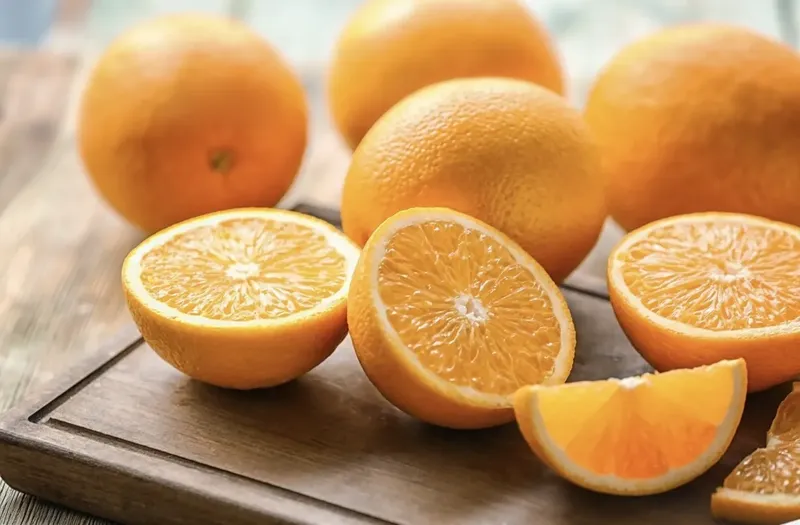
Goats can eat oranges, and they’re actually a solid treat. Nearly every part of the orange is safe, including the peel.
Here’s what you need to know about feeding citrus to your herd.
Can Goats Eat Oranges?
Yes, oranges are safe and healthy for goats. The flesh is packed with vitamin C, potassium, and natural fiber that all support your goat’s overall health.
Limit servings to 1 to 2 oranges per goat per feeding. The sugar content is high enough that going beyond that can cause stomach upset.
Once or twice a week is a good frequency for citrus treats.
What Parts of the Orange and Orange Tree Are Safe for Goats?
Almost everything on an orange tree is fair game. The fruit, peel, leaves, and bark are all non-toxic and safe for goats to eat.
The peel is actually the most nutritious part for goats. It contains limonene, a natural compound with mild antiparasitic properties that acts as a gentle dewormer supplement.
Remove seeds when you can since they’re hard and offer nothing nutritionally.
Orange tree leaves provide extra fiber and goats enjoy browsing on them like any other leafy branch. Some goats love the bitter, aromatic peel while others want nothing to do with it since the strong citrus oils put off goats with sensitive noses.
If yours reject the peel alone, try leaving it attached to the fruit wedge.
the Health Benefits of Oranges for Goats
A single orange provides about 70 mg of vitamin C, which supports immune function and helps goats recover from stress faster. The vitamin A content promotes healthy skin and good eyesight.
The fiber in both flesh and peel keeps the rumen working efficiently, much like watermelon does. The water content gives a hydration boost, especially useful during summer.
Oranges also contain folate and thiamine, B vitamins that support energy metabolism.
The Peel as a Natural Dewormer
Many experienced goat farmers feed citrus peels specifically for the limonene content. It won’t replace a proper deworming program, but it gives your goats a small natural defense against intestinal parasites.
Make sure the peels come from unwaxed, pesticide-free oranges when possible. Commercial citrus is often coated with food-grade wax and sprayed with chemicals you don’t want your goats ingesting in large amounts.
How to Prepare and Feed Oranges to Goats
Wash the orange thoroughly to remove any wax or chemical residue. Cut it into quarters or wedges so your goats can grab a piece easily.
Leave the peel on for adult goats. For kids, peel the orange since the tough rind is harder for their developing digestive systems to break down.
Don’t be surprised if your goats hesitate the first time you offer one. The strong citrus smell is unfamiliar to most goats, but they usually warm up to it after a taste or two.
If they refuse, try strawberries or peaches instead since those are more universally loved. Ripe pears are another safe bet, and most goats go wild for them.
Can Baby Goats (Kids) Eat Oranges?
Kids can have oranges once they’re eating solid food regularly. Start with one or two small pieces to see how their stomach handles the acidity.
Keep portions smaller than what you’d give an adult since their developing rumen is more sensitive to acidic foods, much like introducing corn or oats to young kids. As they get older and their digestive system matures, you can gradually increase the amount.
What Other Fruits Can Goats Eat Apart From Oranges?
Lemons, limes, grapefruit, tangerines, and clementines are all safe in small amounts. The same rules apply: limit quantities because of the sugar and acidity.
One or two pieces per goat is plenty for any citrus variety.
Apples, pears, bananas, grapes, and berries are all great treats too. Goats will eat banana peels, and grapes make perfect bite-sized rewards for training.
The one fruit to absolutely avoid is avocado, which contains persin that’s toxic to goats and can cause serious respiratory and cardiac problems. Cherry pits and leaves also contain cyanide compounds, so keep those away from your herd.
Frequently Asked Questions (FAQs)
What Fruit Can Goats Not Eat?
Avocados are the big one. Every part of the avocado plant, from fruit to bark, contains persin which is toxic to goats.
Apple seeds have trace cyanide too, so core your apples before feeding. Stick with proven safe fruits and always introduce new foods one at a time.
Frequently Asked Questions
Yes, goats can eat oranges safely. The flesh is packed with vitamin C and potassium, and the peel contains limonene with mild antiparasitic properties. Limit to 1-2 oranges per goat once or twice a week.
Baby goats, also known as kids, can indeed eat oranges. But it's important to remember that stick to small amounts. Oranges are high in sugar and too much of this sweet fruit could upset their stomachs.
Goats can eat oranges. Yes, you read that right. But it's not just the fruit they enjoy.
When feeding oranges to goats, it's all about preparation. wash the orange thoroughly. This removes any chemicals or dirt on the skin.