| # | Product | Our Rating | ||
|---|---|---|---|---|
| 1 |  | Best OverallREDMOND Goat Mineral Supplement (5 lb) | ★★★★★ | Check Price |
| 2 |  | Wholesome Harvest 16% Goat Feed (10 lb) | ★★★★☆ | Check Price |
| 3 |  | Manna Pro Goat Treats | ★★★★☆ | Check Price |
Yes, goats can eat rice bran, and it makes a solid feed supplement when used correctly. It packs more fat and protein than plain rice, which makes it handy for putting weight on thin animals or boosting energy during lactation.
Rice bran isn’t something you dump into the feeder without thinking. There are real risks if you overfeed it, and storage matters more than most people realize.
Can goats eat rice bran?
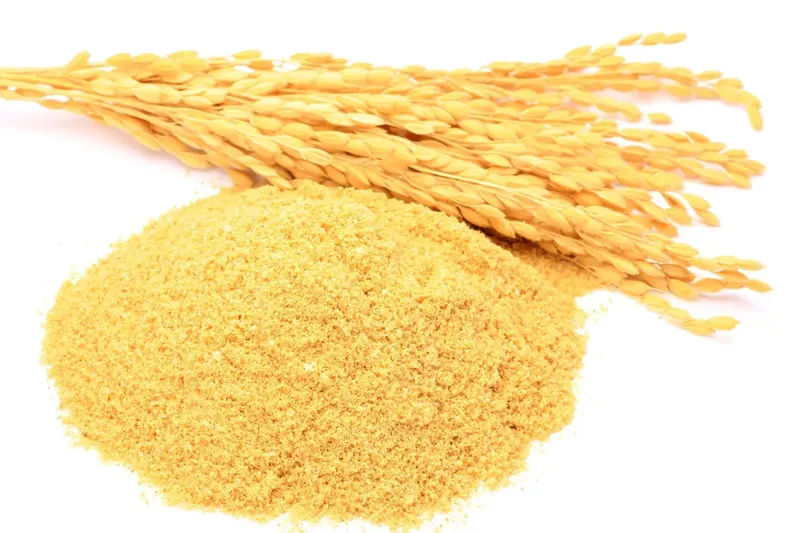
Rice bran is the outer layer of the rice kernel that gets removed during milling. It’s rich in oil, protein, and several B vitamins, which makes it a valuable addition to a goat’s grain ration.
The vast majority of goats take to it without any fuss, and despite the popular belief that goats eat everything, some can be surprisingly picky. The slightly sweet, nutty flavor makes it more appealing than plain grain to those choosy eaters.
You can feed it raw or cooked. Some folks prefer to cook it, but raw rice bran works fine as long as you introduce it gradually over the course of a week.
Nutritional benefits of rice bran for goats
Rice bran is packed with phosphorus, which supports bone development and metabolic function in goats. It also delivers B vitamins like thiamine and niacin that help with energy metabolism.
The fat content runs around 15 to 20 percent, which is significantly higher than most grains. This makes rice bran particularly useful for underweight goats, does recovering from kidding, and animals heading into cold weather.
Quite a few goat owners notice coat improvements within two to three weeks of adding rice bran to the diet, similar to the effect of feeding sunflower seeds. The oils condition the skin and hair from the inside out, which is why show breeders often include it in their conditioning programs.
Risks of feeding too much rice bran
The high phosphorus content is the biggest concern. In male goats, excess phosphorus throws off the calcium-to-phosphorus ratio and can contribute to urinary calculi, which are painful bladder stones that can be fatal.
You need to maintain a calcium-to-phosphorus ratio of at least 2:1 in the overall diet. If you’re feeding rice bran, make sure you’re also providing plenty of alfalfa or a calcium supplement to keep things balanced.
Feed built for another species can throw that ratio off in the opposite direction. Layer rations and other chicken feeds are packed with calcium for egg production, which is its own problem for wethers and bucks.
Too much fat in the diet can also cause loose stools and weight gain. Watch your goats’ droppings closely after adding rice bran, and cut back if things get runny.
How much rice bran to feed and how to mix it
Start with a quarter cup per day for a standard-sized goat and work up to half a cup over a week. Rice bran should make up no more than 10 to 15 percent of the total grain ration.
Rice bran is high in phosphorus on its own, so building a mix on top of cracked corn stacks two phosphorus-heavy feeds and pushes the calcium ratio further out of balance for males.
The best approach is to mix it right into the regular grain. Combine it with oats, barley, or a commercial goat pellet so the fat content stays balanced. Use a goat-formulated base rather than a cattle product, since calf starter pellets lack the ammonium chloride that protects males from the stones excess phosphorus can trigger.
This kind of supplementation helps pregnant and lactating does the most, since their calorie needs are much higher.
You can also sprinkle it over timothy hay to encourage picky eaters to finish their roughage. That nutty flavor seems to make plain grass hay more interesting to goats that normally turn their noses up.
Storing rice bran properly
Rice bran goes rancid fast. The high oil content means it starts breaking down within a few days of being exposed to heat and air.
Rancid rice bran tastes bad, and goats will refuse it.
Keep it in an airtight container in a cool, dry location. If you buy in bulk, store the extra in the refrigerator or freezer and only pull out what you need for a week at a time.
Stabilized rice bran is a better option if you can find it. The stabilization process uses heat to deactivate the enzymes that cause spoilage, giving you a shelf life of several months instead of days.
Final Thoughts
Rice bran is a useful feed supplement for goats when you manage the quantity and storage correctly. It delivers good fat, protein, phosphorus, and B vitamins that support weight gain and coat quality.
Keep the portion small, balance it with calcium-rich forage, and never feed rancid product. A little rice bran goes a long way toward keeping your herd in good condition without breaking the feed budget.
Frequently Asked Questions
Goats can eat rice bran. In fact, rice bran is actually a portion of really good food for goats. It's a great source of energy and contains a lot of essential nutrients that goats need in their diet. They're also packed with fiber.
Rice bran provides phosphorus for bone health, B vitamins for energy metabolism, and 15-20% fat content that helps with weight gain and coat quality. It's especially useful for underweight goats and does recovering from kidding.
The high phosphorus content can throw off the calcium-to-phosphorus ratio and contribute to urinary calculi in male goats. Too much fat can also cause loose stools. Keep rice bran to 10-15% of the total grain ration.
You can feed rice bran raw or cooked at any time of day. Mix it into the regular grain ration, starting with a quarter cup per day and working up to half a cup. The extra calories help pregnant and lactating does most.