| # | Product | Our Rating | ||
|---|---|---|---|---|
| 1 |  | Best OverallREDMOND Goat Mineral Supplement (5 lb) | ★★★★★ | Check Price |
| 2 |  | Wholesome Harvest 16% Goat Feed (10 lb) | ★★★★☆ | Check Price |
| 3 |  | Manna Pro Goat Treats | ★★★★☆ | Check Price |
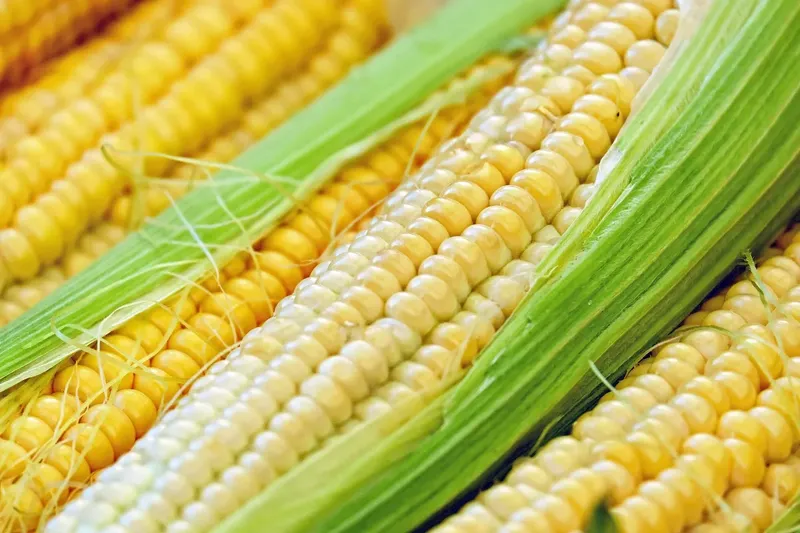
Goats can eat corn on the cob, and most of them love it. The kernels, the cob, the husks, and even the silk are all safe for goats to consume.
Can goats eat corn on the cob?
Yes, corn on the cob is safe for goats. It’s loaded with energy and carbohydrates, and goats will usually go after it with enthusiasm.
The important thing to understand is that corn is high in starch, so it needs to be treated as a treat or supplement rather than a dietary staple. Too much corn too quickly is one of the most common ways goats end up with digestive trouble.
A couple of ears per adult goat as an occasional treat is perfectly fine. Just don’t dump a bushel of corn in the pen and walk away.
Whole ears do have one thing going for them over a bagged mix. They contain nothing but corn, while commercial cattle rations often hide urea or medicated additives behind a plain-looking grain list.
What parts of the corn are safe?
Every part of an ear of corn is safe for goats. The kernels are the part with the most energy and starch.
The cob itself is fibrous and provides roughage as goats gnaw through it.
The husks and silk are actually the safest parts because they’re high in fiber and low in starch. Many goats enjoy stripping the husks off and chewing through them before they even get to the kernels.
If you’re tossing leftover corn from a summer cookout, make sure it hasn’t been seasoned with butter, salt, or spices. Plain corn only for your goats.
Watermelon rinds and pumpkin are safer cookout leftovers to share.
Risks of feeding too much corn
The main danger with corn is acidosis, which happens when a goat eats too much starch too fast. The pH in the rumen drops, beneficial gut bacteria die off, and the goat can get seriously sick within hours.
Most fresh vegetables hold far less starch than corn, so they’re less likely to tip the rumen into acidosis.
Signs of a goat that’s eaten too much corn include a bloated belly, grinding teeth, reluctance to move, and going off feed. The same symptoms appear with alfalfa bloat if goats gorge on it.
If you suspect corn overload, pull all grain immediately, offer plenty of hay and fresh water, and call your vet if symptoms don’t improve within a few hours.
Chronic overfeeding of corn can also lead to obesity and urinary calculi in bucks and wethers. Balancing with timothy hay helps maintain the correct calcium-to-phosphorus ratio.
The high phosphorus content in corn without enough calcium to balance it creates the perfect conditions for bladder stones.
Fresh corn vs. Dried corn
There’s a real difference between fresh sweet corn on the cob and dried field corn. Fresh corn has higher moisture content and lower starch concentration, making it gentler on the digestive system.
Dried field corn is much more calorie-dense and starchy. A goat can overeat dried corn faster because it takes up less space in the rumen while delivering a bigger starch punch.
For treats, fresh corn on the cob is the safer option. If you feed dried corn, break the cobs into smaller pieces and limit the amount strictly.
Whole dried cobs can also be a choking risk, especially for younger goats.
How to feed corn on the cob safely
For adult goats, you can toss a whole ear of fresh corn into the pen and let them work on it. They’ll strip the husks, eat the silk, and gnaw through the kernels and cob at their own pace.
For kids, break the cob into smaller sections so they can handle it without choking. Supervise young goats the first few times they eat corn to make sure they’re chewing it properly.
Store your corn supply in a locked, heavy-duty container that goats can’t get into. Goats are notorious for breaking into feed rooms and gorging themselves.
One unsecured bag of corn can turn into a veterinary emergency.
Final Thoughts
Corn on the cob is a safe and enjoyable treat for goats when fed in moderation. Every part of the ear is edible, and most goats will happily clean every kernel off the cob.
Just keep the portions reasonable, stick with fresh corn over dried when possible, and lock up your corn storage. A little common sense goes a long way with this one.
Frequently Asked Questions
Yes, all goats can eat corn on the cob. The kernels, cob, husks, and silk are all safe. Just keep it as an occasional treat since corn is high in starch and too much can cause acidosis.
Yes, fresh raw corn on the cob is safe and actually the better option. Fresh corn has higher moisture and lower starch concentration than dried corn, making it gentler on the rumen.
Yes, but only if it's plain with no salt, butter, or seasonings. Leftover seasoned corn from a cookout is off-limits for goats.