| # | Product | Our Rating | ||
|---|---|---|---|---|
| 1 |  | Best OverallREDMOND Goat Mineral Supplement (5 lb) | ★★★★★ | Check Price |
| 2 |  | Wholesome Harvest 16% Goat Feed (10 lb) | ★★★★☆ | Check Price |
| 3 |  | Manna Pro Goat Treats | ★★★★☆ | Check Price |
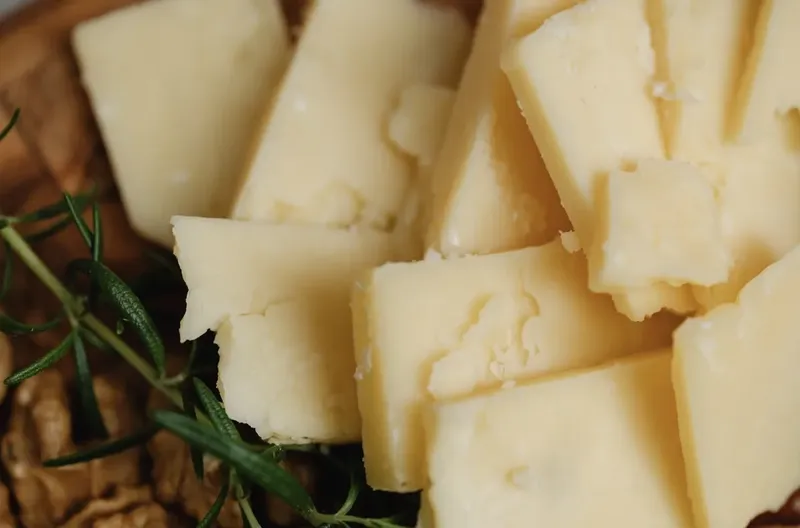
Cheese is a dairy food made by pressing milk until its fat, salt, and lactose concentrate. A goat is built to digest plants, and that mismatch is the whole problem.
The problem has three separate parts: the rumen, the lactose, and the fat load. Each part affects a goat differently, and the size of the bite decides whether you notice anything at all.
We’ll cover whether goats can eat cheese at all, what a small piece really does, and why baby goats are a separate case. You’ll also see which treats belong in a goat diet instead.
Can Goats Eat Cheese?
No, goats should not eat cheese. Their digestion runs on fermented plant fiber, and dairy gives that system nothing useful to work with.
One lick off a plate isn’t an emergency. A healthy adult goat that steals a corner of cheddar will usually be fine by morning.
Trouble starts with volume and repetition. A goat that gets cheese often, or swallows a large piece at once, can end up with real digestive upset.
That can last for days instead of hours.
And cheese delivers no nutrition a goat can’t get more safely from hay, browse, or the vitamins and minerals in a proper supplement.
Why Cheese Works Against a Goat’s Rumen
In simple terms, goat digestion ferments fiber in the rumen, and cheese brings fat and salt instead.
A goat is a ruminant animal, so it digests food in a four-part stomach where microbes do most of the work. The first and largest part, the rumen, breaks down cellulose from grass and hay through microbial fermentation.
Those microbes depend on it to stay balanced. Cheese carries none, so it lands as concentrated fat and protein in an organ with no pathway for either nutrient.
Here’s the part that matters: a low-fiber, high-energy food can push rumen pH below its safe range. The Merck Veterinary Manual lists ruminal acidosis among the recognized nutritional diseases of goats, alongside enterotoxemia and pregnancy toxemia.
That acid shift is what turns a snack into a health problem. A mild case looks like a goat that goes off feed, while a severe one can become a metabolic crash inside a day.
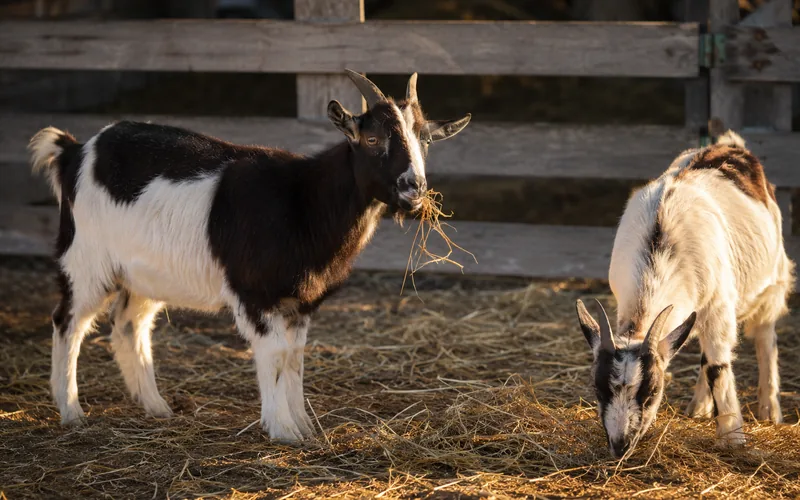
Hay and browse supply what a rumen needs, and cheese pushes that aside without replacing it.
Cows and sheep share the same four-part design. A cow handles dairy no better than a goat does.
The Lactose Problem in Adult Goats
The short answer is that adult goats lose most of their lactase after weaning.
Cheese still holds lactose, the natural sugar in milk, even after most of the whey drains away. Fresh, soft cheeses hold the most, and hard aged cheeses hold much less.
To break that sugar apart, a goat needs an enzyme called lactase. StatPearls from the NCBI Bookshelf explains that lactose left undigested by lactase gets fermented by gut bacteria.
All that fermentation produces gas, which means bloating and diarrhea.
But there’s a catch. An adult goat produces very little lactase, because it stopped drinking milk at weaning and never needed the enzyme again.
A mature goat ends up with the fermentation and none of the digestion. Cheese from cow’s milk and cheese from goat milk both cause the same trouble, since the sugar is identical either way.
Fat, Salt, and Which Cheeses Are Worst
No cheese is safe, but the reason shifts with the type.
Cheese is dense in ways a goat’s diet never is. WebMD’s nutritional review of goat cheese notes its saturated fat and sodium content alongside the calcium and protein it carries.
Those numbers work fine for a person. But a browsing animal that evolved on leaves and stems has no use for that much fat and salt.
The short version? Soft cheeses cause problems through lactose, and hard cheeses cause them through fat and salt.
Cream cheese, ricotta, and fresh chevre carry the most lactose. Cow cheeses such as cheddar, parmesan, and aged gouda bring far more sodium instead.
Repeat servings drive weight gain, and that extra weight raises the odds of pregnancy toxemia and strain on joints and bones.
Are Baby Goats Any Different?
Not really. Kids handle milk sugar, but cheese still doesn’t belong in a balanced diet.
Kids under weaning age do make lactase, so they break down milk sugar without a problem. Still, that doesn’t make cheese suitable for them.
So why still say no? A kid’s rumen has not developed yet, and its nutrition has to come from its dam’s milk or a quality milk replacer.
Solid fat and salt at that stage can set back the microbial population a goat depends on for life.
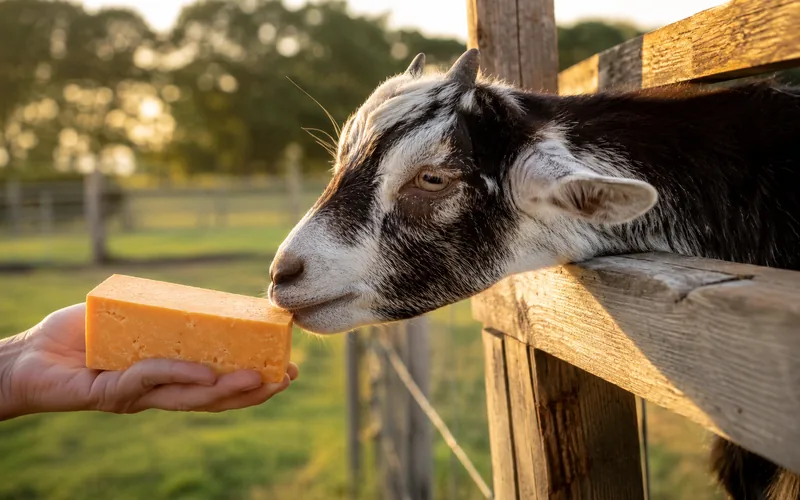
Growing kids need steady calcium for healthy bone development, and cheese is a poor way to supply it.
What to Do If Your Goat Ate Cheese
Most cases need nothing more than close watching.
Most accidental bites end with nothing happening. A single small piece usually passes without a sign.
So what should you watch for?
- Loose droppings
- A hunched stance or teeth grinding
- A swelling left side, which points to bloat
- A goat that stops chewing its cud
Give the herd free access to clean water and good hay, and skip grain that day. Keep watching for about 24 hours.
Call a vet if you see bloat or if a large amount went down at once. A goat that refuses feed for more than a day needs the same call.
Don’t wait that long for the youngest or the pregnant animals. A young kid or a pregnant doe deserves a faster call than a healthy adult.
Better Treats for a Healthy Goat Diet
Fruit, vegetables, and good forage all beat cheese as a goat treat.
Goats want treats that smell sweet, and plenty of foods fit a balanced diet far better than cheese. These foods carry water, vitamins, and real nutrition along with the flavor.
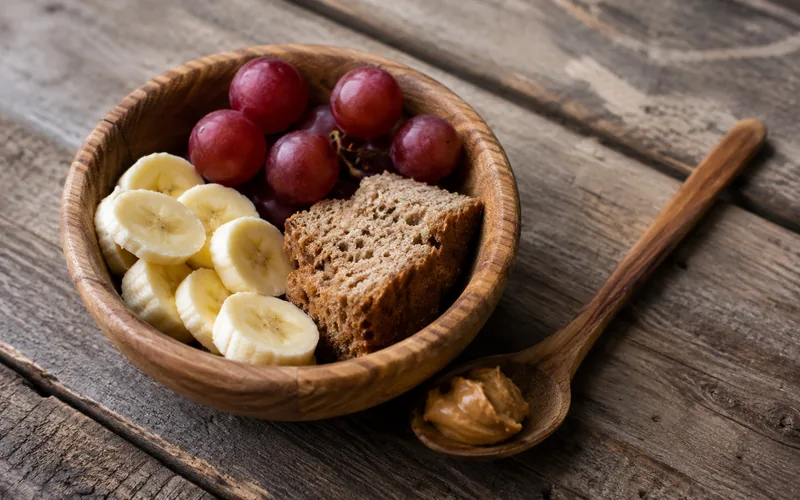
A few apple slices or pieces of ripe banana make a solid reward, and alfalfa hay works as richer forage for growing or milking animals. Even plain bread beats cheese as an occasional treat, though it brings its own starch limits.
Plain cooked rice sits in the same camp, fine as a small handful now and then.
Minerals matter more to goat nutrition than any treat. The Merck Veterinary Manual builds goat nutrition on four core requirements: water, energy, protein, and minerals such as calcium, selenium, and copper.
A free-choice mineral supplement covers those essential nutrients and supports strong bones. Selenium levels vary by region, so ask a local vet which mix suits your soil.
Keep all treats to a small share of what a goat eats each day. Hay carries the rest, and good nutrition keeps a goat healthy in a way cheese never will.
Frequently Asked Questions
Keep goats away from cheese and other dairy foods, chocolate, onions, garlic, rhubarb, and anything moldy. Salty or sugary processed foods offer almost no nutrition and upset digestion. Nightshade plants such as potato and tomato leaves are toxic, and a large serving of grain can trigger acidosis. Hay, browse, and a mineral supplement should carry the diet instead.
Bread is safe in small amounts, but cheese is not. Plain bread is starchy and low in nutrients, so a few torn pieces now and then will not harm a healthy adult goat. Cheese is a different case, because dairy fat, salt, and lactose all work against a goat's rumen. Neither food supports a balanced diet, so both stay occasional at best.
Most goats love sweet fruit and crunchy vegetables such as apple slices, carrots, watermelon, and pumpkin. These bring water, fiber, and vitamins that support health, which is more than cheese ever offers. Sunflower seeds and alfalfa pellets are popular too. Strong bones still depend on calcium from good hay and minerals, not on treats.