| # | Product | Our Rating | ||
|---|---|---|---|---|
| 1 |  | Best OverallLamb & Goat Bottle with Pritchard Teat | ★★★★★ | Check Price |
| 2 |  | Manna Pro Goat Kid Milk Replacer (4 lb) | ★★★★☆ | Check Price |
| 3 |  | Pritchard Teat Nipples (12 Pack) | ★★★★☆ | Check Price |
If you’re looking into meat goat breeds, Kiko goats are probably on your radar. They’ve been gaining ground fast in the U.S. Over the past couple decades — and it makes sense.
Where did Kiko goats originate?
Kiko goats originated in New Zealand in the 1980s. The name “Kiko” comes from the Maori word for “meat” or “flesh,” which tells you exactly what these goats were bred for.
Garrick and Anne Batten developed the breed by crossing feral New Zealand goats with imported dairy breeds like Nubians, Toggenburgs, and Saanens. The goal was a meat goat that could thrive on rough terrain with minimal human intervention, and it worked.
The history of the Kiko goat breed
The Battens started with thousands of feral goats captured from the New Zealand bush country. These feral goats were tough and self-sufficient, but they were small and slow-growing.
By crossing them with larger dairy breeds including Toggenburgs from Switzerland and then selecting the offspring strictly for growth rate, hardiness, and survivability, they produced a goat that put on muscle fast without needing a lot of coddling. The first Kikos arrived in the United States in the early 1990s, and American meat goat producers took notice quickly.
What are the characteristics of Kiko goats?
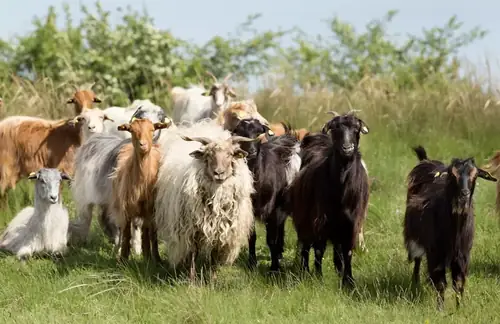
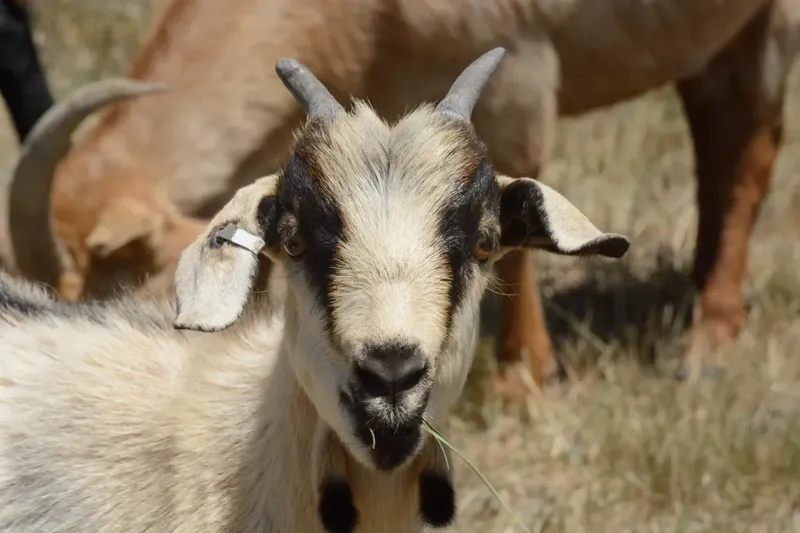
Kikos are muscular, medium to large goats with strong legs and a sturdy frame. They come in all colors, and both bucks and does can be horned or polled depending on the line.
The standout trait is their parasite resistance. Kikos handle internal parasites far better than most meat breeds, which means fewer vet bills and less deworming.
They’re also excellent foragers that prefer browsing brush and weeds over standing around waiting for grain.
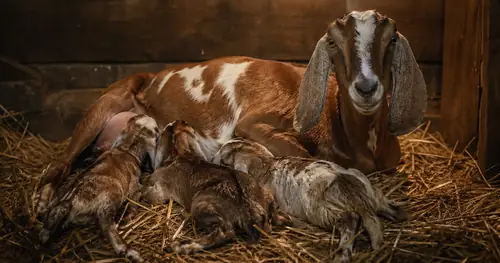
Kiko does are famous for being great mothers with strong kidding instincts. Most will deliver twins or triplets and clean their kids without any help, even in cold weather.
Kid survival rates tend to be high because the babies are born vigorous and up nursing within 30 minutes.
Kiko goats vs. Boer goats
This is the debate every meat goat producer eventually has. Boer goats grow faster, reach market weight sooner, and have more muscling in the hindquarters — if you’re selling by the pound at auction, Boers have an edge.
Kikos win on maintenance costs and parasite resistance. They need fewer vet visits, less deworming, and less supplemental feed than Boers.
Some producers also cross Kikos with Myotonic (fainting) goats for a calm, hardy meat animal. For a small operation where you can’t be hands-on every day, Kikos are often the smarter pick.
A lot of producers now cross the two breeds, and avoiding inbreeding between related animals is essential when managing a crossbreeding program. A Kiko-Boer cross gives you decent growth rates with better hardiness than a purebred Boer, which is a sweet spot for many farms.
How to take care of your Kiko goats?
Kikos are low-maintenance, but they’re not no-maintenance. Give them access to quality browse or hay, fresh water, and a loose goat mineral mix.
Trim hooves every six to eight weeks, especially in wet climates where foot rot can be a problem.
Fencing needs to be solid — at least four feet of woven wire, five feet for bucks. A hot wire at nose height teaches most Kikos to respect the boundary after one or two shocks.
Avoid barbed wire, as their coats can tangle in it and cause injuries.
Run FAMACHA checks monthly and fecal egg counts quarterly even though Kikos handle parasites better than other breeds. When selling bucklings you don’t need for breeding, castrating them early makes them easier to place as companions or meat animals.
Good ventilation in the barn matters too — Kikos tolerate cold fine, but damp, stagnant air sets the stage for pneumonia.
Final Thoughts
Kiko goats are a hardy, low-input breed that started in the New Zealand backcountry and found a strong following in the southeastern U.S. They won’t outgrow a Boer at the auction barn, but they’ll save you money on feed, vet bills, and headaches.
If you want a meat goat that mostly takes care of itself and raises tough kids, the Kiko breed is hard to beat.
Frequently Asked Questions
Kiko goats originated in New Zealand in the 1980s. Garrick and Anne Batten developed the breed by crossing feral New Zealand goats with imported dairy breeds like Nubians, Toggenburgs, and Saanens. The goal was a hardy meat goat that could thrive on rough terrain with minimal human intervention.
The meat goat breed known as the Kiko was created in New Zealand in the 1980s. The Maori term for flesh is where the name Kiko originates.
The Kiko goat first arrived in the United States in the early 1990s, when a group of New Zealand farmers brought some of their animals to California for an exhibition.
Kiko goats are a hardy breed that's known for their ability to thrive in various climates. They're also proficient at foraging, which makes them well-suited to life on a farm.