| # | Product | Our Rating | ||
|---|---|---|---|---|
| 1 |  | Best OverallLamb & Goat Bottle with Pritchard Teat | ★★★★★ | Check Price |
| 2 |  | Manna Pro Goat Kid Milk Replacer (4 lb) | ★★★★☆ | Check Price |
| 3 |  | Pritchard Teat Nipples (12 Pack) | ★★★★☆ | Check Price |
If you’ve seen those viral videos of goats falling over stiff-legged or letting out wild screams, you have probably wondered what’s actually going on with those animals. And if you raise goats, you might be wondering whether you can breed them together.
The answer is yes. Here’s what you need to know.
Can you breed screaming and fainting goats?
You can breed any two domestic goats together since they’re all the same species. Fainting goats and loud “screaming” goats are no exception.
It’s worth clearing something up first, though. “Screaming goats” aren’t a separate breed.
That’s just a term people use for goats that happen to be especially vocal, and any breed can produce loud individuals. Fainting goats, on the other hand, are an actual breed called Myotonic goats.
The fainting behavior is caused by a genetic condition called myotonia congenita, which makes the skeletal muscles stiffen briefly when the goat is startled. It doesn’t hurt them at all, and they stay fully conscious the entire time.
They recover in just a few seconds.
What are screaming and fainting goats and what do they look like?
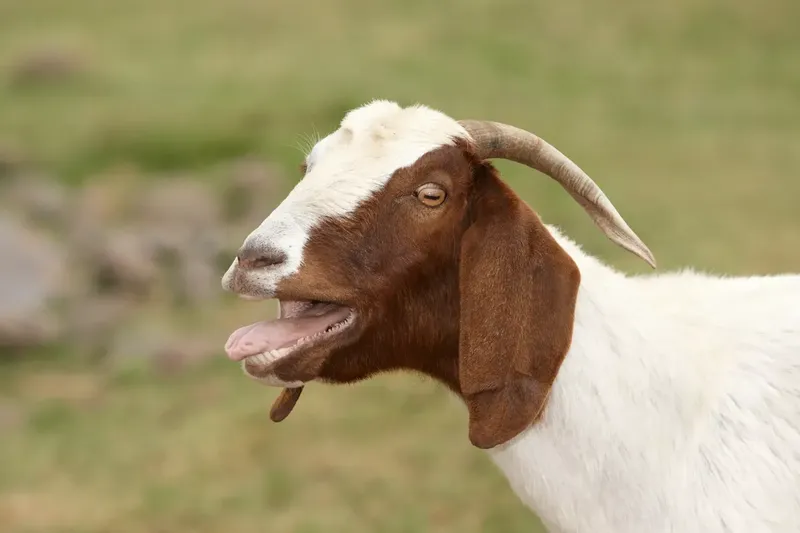
Myotonic (fainting) goats are typically small to medium-sized with stocky, muscular builds. They come in just about every color and pattern you can think of, and they originated in Tennessee in the early 1800s.
Their temperament tends to be calm and docile compared to other breeds. Because their muscles stiffen under stress, they’re generally easier to handle and less likely to climb fences.
Compare that to hardy Kiko goats from New Zealand that are active, independent foragers.
Loud goats can be any breed at all. Nubians are famous for being vocal, but individual goats in any breed might turn out to be screamers.
It’s a personality trait, not a genetic condition.
How do you breed them?
Breeding works the same way it does with any other goats. You need a healthy buck and a doe in heat, and nature takes care of the rest.
Make sure both animals are free from genetic diseases and in good overall health before breeding. The gestation period is around 150 days, and Myotonic goats commonly have twins or triplets.
If you specifically want the fainting trait in the offspring, both parents need to carry the myotonia gene since it’s inherited as a dominant trait. Crossing a Myotonic goat with a non-carrier will produce kids that carry the gene but may or may not show the classic stiffening behavior.
What are the benefits of breeding these goats?
Myotonic goats are primarily valued as meat goats because their muscle condition gives them excellent muscling and a higher meat-to-bone ratio. Their calm temperament also makes them easier to manage than flightier breeds.
They tend to be hardy and resistant to many common parasites. Their lower activity level means they’re less likely to challenge fences, which is a real selling point for farmers tired of chasing escapees.
The offspring from crossbreeding often pick up the best traits of both parents. You might get a goat with the Myotonic’s muscling and calm nature combined with the milk production or vocal personality of the other parent.
What are the potential risks associated with breeding them?
The main consideration is temperament matching. If you’re using a large, aggressive buck with a smaller Myotonic doe, make sure he’s not too rough with her since the stiffening response can make it harder for her to move away from an overly pushy buck.
Watch the kids closely during the first few weeks. If a doe can’t feed all of her kids, you may need to switch a bottle-fed kid to another nursing doe.
Kids born to crossbred parents can land anywhere on the temperament spectrum, and some may be jumpier than others.
Health-wise, the myotonia condition itself doesn’t cause pain or health problems. But like any breeding program, you should have both parents tested for common goat diseases like CAE and CL before mating them.
How can you care for pregnant and lactating goats?
Increase nutrition for pregnant does during the last six weeks of gestation when the kids are growing fastest. A doe at 4 years old handles pregnancy best because her body is fully mature.
Bump up their grain ration and make sure they have access to quality alfalfa hay.
Provide a clean, dry kidding area well before the due date. Keep fresh water available at all times since pregnant and lactating does are drinking significantly more than usual.
After kidding, give lactating does extra calories and calcium to keep up with milk production. If you have bucklings you won’t keep for breeding, decide on castration timing early to avoid complications.
Watch for signs of ketosis or milk fever, especially in does carrying multiples.
Final Thoughts
Breeding Myotonic goats with other breeds is straightforward and can produce excellent crossbred stock. The fainting behavior is a harmless genetic trait, not a health problem, and these goats are valued for their muscling, calm temperament, and hardiness.
Just remember that “screaming goats” are simply loud individuals of any breed, not a separate breed you can selectively buy. Focus on the health, temperament, and genetics of both parents, and you’ll end up with kids worth keeping.
Frequently Asked Questions
Yes, you can breed screaming and fainting goats since all domestic goats are the same species. Fainting goats (Myotonic goats) are primarily valued as meat goats for their muscling and calm temperament. 'Screaming goats' aren't a separate breed but simply loud individuals of any breed.
Screaming and fainting goats are a breed of domestic goats that's known for their unusual reaction to fear or surprise.
When breeding screaming and fainting goats, find the right match. The male screaming goat shouldn't be too aggressive for the female fainting goat, and vice versa.
Myotonic goats are valued as meat goats because their muscle condition gives them excellent muscling and a higher meat-to-bone ratio. Their calm temperament makes them easier to manage, and they tend to be hardy and resistant to common parasites.