| # | Product | Our Rating | ||
|---|---|---|---|---|
| 1 |  | Best OverallLamb & Goat Bottle with Pritchard Teat | ★★★★★ | Check Price |
| 2 |  | Manna Pro Goat Kid Milk Replacer (4 lb) | ★★★★☆ | Check Price |
| 3 |  | Pritchard Teat Nipples (12 Pack) | ★★★★☆ | Check Price |
Yes, Nigerian Dwarf goats can be used for meat, but they’re primarily a dairy breed. If you’re expecting the same output as a Boer goat, you’ll be disappointed.
Plenty of small homesteaders process Nigerian Dwarfs every year and find the arrangement works just fine for their needs.
The real question isn’t whether you can eat them. It’s whether the meat yield makes sense for your operation.
Can Nigerian Dwarf goats be used for meat?
Nigerian Dwarfs are classified as a dairy breed, but that doesn’t mean the meat goes to waste. Many breeders process excess bucklings each spring rather than trying to find homes for every single one.
The meat is perfectly good. Nigerian Dwarfs produce tender, mild-flavored meat that most people enjoy, especially folks who find full-sized goat meat too strong or gamey.
The mild flavor works well in traditional dishes like Kabuli palao made with goat.
For a family that already keeps Nigerian Dwarfs for milk, processing a few extra kids each year is a practical way to fill the freezer without raising a separate meat herd.
Meat yield and carcass size
Here’s where you need to set realistic expectations. A full-grown Nigerian Dwarf dresses out at roughly 25 to 35 pounds of meat.
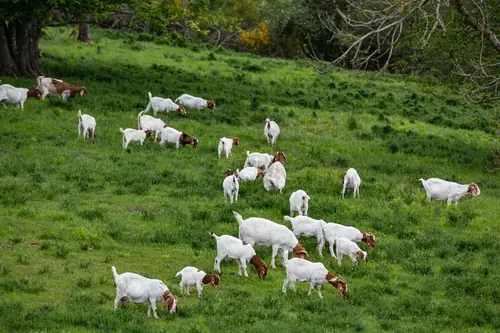
Compare that to a Boer goat, which can yield 60 to 80 pounds.
That smaller yield means you need to process two or three Nigerian Dwarfs to match the freezer stock from one Boer. For a family of four eating goat once a week, plan on processing at least two to three per year.
The upside is that each animal costs significantly less to feed and house. When you factor in the lower input costs, Nigerian Dwarfs can actually be competitive with larger breeds for small-scale operations.
Flavor and cooking tips
Nigerian Dwarf meat is leaner and more tender than meat from larger breeds. Many people describe the flavor as milder, which makes it a good starting point for anyone new to eating goat.
Low and slow cooking methods work best. Braising, stewing, and slow roasting bring out the natural richness without drying things out.
Aim for 160 degrees internal temperature for stews and 145 degrees for roasts.
Marinating overnight in yogurt or citrus juice breaks down the fibers and adds another layer of flavor. Goat liver is also edible and packed with nutrients if you want to use every part of the animal.
Pair it with bold spices like cumin, paprika, and garlic for a meal that’s hard to beat.
The dual-purpose advantage
One of the best reasons to choose Nigerian Dwarfs for a small homestead is that you get both milk and meat from the same breed. A healthy doe can produce one to two quarts of rich, sweet milk per day during her lactation period.
That milk is prized for cheese making because of its high butterfat content, often running 6 to 10 percent. You can make chevre, feta, and even hard cheeses with Nigerian Dwarf milk.
Most does are bred each year to keep their milk coming, which is where the spring bucklings come from.
When you retire a doe from milking or have extra bucklings in the spring, those animals go to the freezer.
This cycle of milk production and meat harvest makes Nigerian Dwarfs one of the most efficient breeds for small operations.
Crossing with Boer goats for larger kids
Some homesteaders breed their Nigerian Dwarf does to a Boer buck to get larger meat kids.
The cross produces a meatier animal while keeping the smaller frame that’s easier to manage on limited acreage.
These crosses grow faster and put on more muscle than purebred Nigerian Dwarfs. The dressed weight can jump to 40 to 50 pounds, which makes a noticeable difference in the freezer.
Keep in mind that a Boer buck is much larger than a Nigerian Dwarf doe, so you need to use a smaller Boer or a percentage Boer to avoid kidding difficulties. Many folks use artificial insemination to control the pairing more carefully.
Final Thoughts
Nigerian Dwarf goats aren’t the most efficient meat breed, but they fill a real niche on small homesteads where dual-purpose animals make the most sense. The meat is tender and mild, the carcass is small but manageable, and the combination of milk and meat gives you solid return from a compact animal.
If you’re already keeping Nigerian Dwarfs for dairy, processing the extra bucklings is a practical, waste-free approach to putting meat on the table.
Frequently Asked Questions
You can most certainly use Nigerian dwarf goats for meat production. In fact, many people do. Nigerian dwarf goats are a smaller breed of goat, which means they don't produce as much meat as some of the larger breeds, but they're still a viable option for meat production.
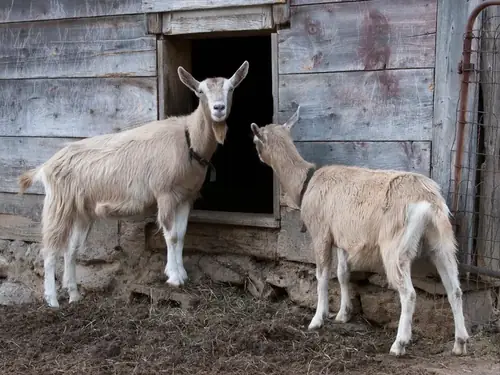
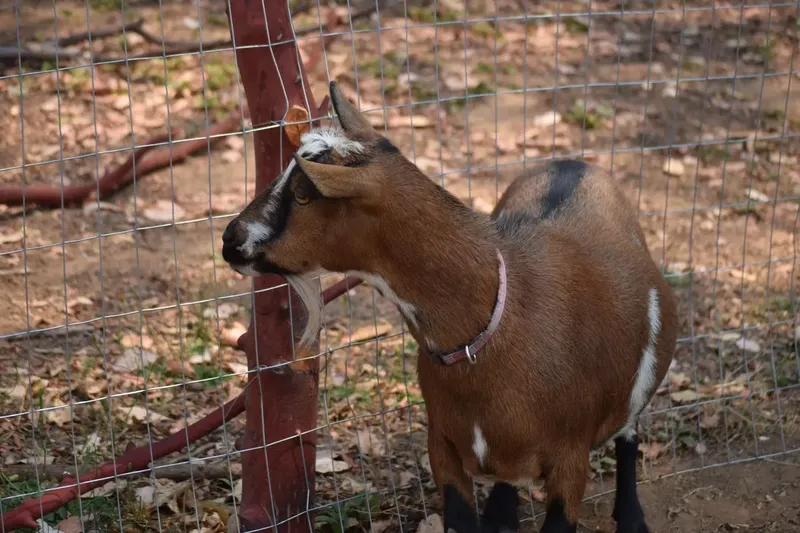
Nigerian dwarf goats are a unique breed of small livestock that have become increasingly popular in recent years. With their short, stocky bodies and silky, medium-length hair, these adorable goats are easy to recognize at a glance.
Nigerian dwarf goats have a reputation for their friendly and outgoing temperament. They're small but sturdy animals that are docile and easy to handle, making them a popular choice for families with young children or those who are looking for an animal companion.
Adult Nigerian Dwarf goats typically weigh 60 to 80 pounds. A full-grown animal dresses out at roughly 25 to 35 pounds of meat, compared to 60 to 80 pounds from a Boer goat.