| # | Product | Our Rating | ||
|---|---|---|---|---|
| 1 |  | Best OverallREDMOND Goat Mineral Supplement (5 lb) | ★★★★★ | Check Price |
| 2 |  | Wholesome Harvest 16% Goat Feed (10 lb) | ★★★★☆ | Check Price |
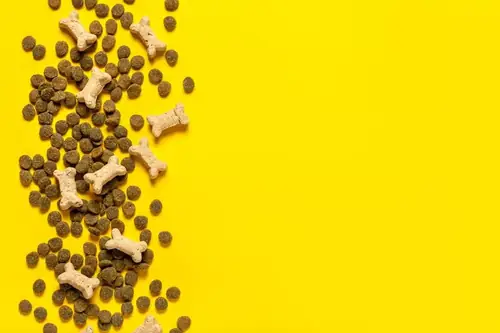
| 3 |  | Manna Pro Goat Treats | ★★★★☆ | Check Price |
Rice is cheap, easy to store, and available everywhere. So it’s natural to wonder whether your goats can eat it too.
The answer is yes, but with some important details that make the difference between a safe treat and a digestive problem.
Can Goats Eat Rice?
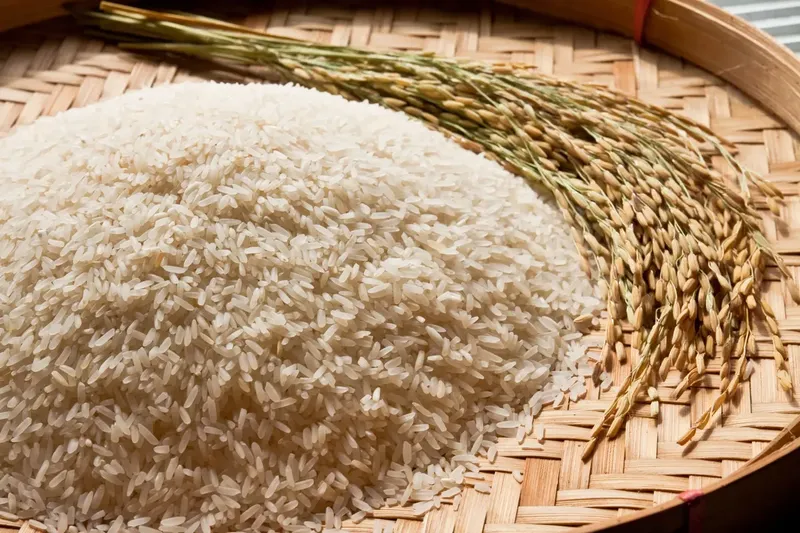
Cooked rice is safe for goats. White rice, brown rice, jasmine, basmati — the variety doesn’t really matter as long as it’s been cooked and served plain.
Rice is mostly carbohydrates. It doesn’t bring much protein, fat, or the fiber that a rumen actually needs to function well.
Think of rice the same way you’d think of pasta for goats. It’s not harmful, but it’s not doing much for them nutritionally either.
A small amount mixed into their regular feed is fine as an occasional addition. Plain popcorn is similar, harmless in a small handful but mostly empty calories.
Don’t Feed Raw Rice
Raw, uncooked rice is the one to avoid. It’s hard for goats to digest because the starch hasn’t been broken down by cooking.
Uncooked rice can expand in the gut and cause discomfort or bloating, and knowing how to debloat a goat is critical in those situations. It can also sit in the rumen without fermenting properly, which throws off the microbial balance.
If your goat happens to eat a few grains of dry rice off the ground, it’s not an emergency. But intentionally feeding uncooked rice is asking for digestive trouble.
Keep it plain too. No butter, salt, soy sauce, or seasonings of any kind.
Goats don’t need added sodium, and many common seasonings can irritate their stomachs. The same plain-only rule applies when sharing bread or cooked pasta.
When Rice Can Actually Help
There’s one situation where cooked white rice can be genuinely useful: when a goat has mild diarrhea or an upset stomach. Just like a bland rice diet settles a dog’s stomach, a small serving of plain cooked rice can help firm things up for a goat with loose stools.
Mix about half a cup of cooked rice with their regular grain to help bind things up. This is a short-term fix, not a long-term feeding strategy.
If the diarrhea lasts more than a day or two, skip the home remedies and call your vet. Offering blackberry leaves, which have natural astringent properties, may also help firm up mild loose stools.
Persistent problems usually point to parasites, infection, or something else that rice won’t solve.
Rice Bran Is the Better Option
If you’re looking to add a rice product to your goats’ diet, rice bran is a much smarter choice than plain rice. It’s the outer layer of the rice grain and contains significantly more fat, protein, and fiber than white rice.
Rice bran is commonly used as a feed supplement for livestock. It provides energy without the pure starch overload that plain rice delivers.
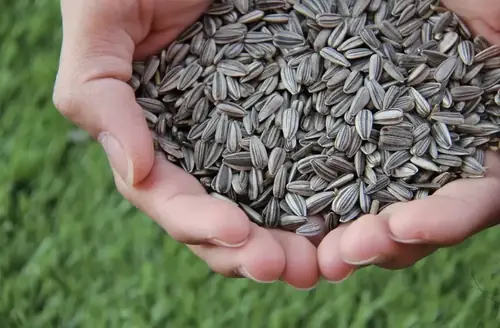
You can mix a small scoop of rice bran into their regular grain ration alongside sunflower seeds for added fat and coat benefits. It’s especially useful during cold months when goats need extra calories to maintain body heat.
How Much Is Safe
A small handful of cooked rice per goat is plenty. That’s roughly a quarter cup mixed into their feed, offered once or twice a week at most.
Anything beyond that starts tipping the carbohydrate balance in the rumen. The same risk applies to oats and other grains when overfed.
Too many carbs cause the pH to drop, which kills off the beneficial bacteria that help goats digest fiber.
If you notice loose stool or reduced appetite after feeding rice, you gave too much. Cut back or skip it entirely.
Both white and brown rice are safe. Brown rice has a slight edge nutritionally thanks to the bran layer, but the difference is small enough that it doesn’t really matter for an occasional treat.
Warnings for Pregnant Does and Blood Sugar
White rice has a high glycemic index, meaning it spikes blood sugar quickly. For pregnant does, this rapid blood sugar change can be problematic and increase the risk of ketosis during late pregnancy.
Give pregnant does consistent, quality nutrition from alfalfa hay, goat feed, and proper minerals. Rice doesn’t provide the protein or minerals that a doe carrying kids actually needs, and the blood sugar roller coaster isn’t worth the risk.
Baby goats should skip rice entirely. Their developing rumens need fiber to build up the right microbial population, and starchy foods like rice don’t contribute to that process.
Why Rice Isn’t a Dietary Staple
Goats are browsers built to eat fibrous forage — hay, browse, weeds, and tree bark. Their four-chamber stomach is designed to ferment and extract nutrients from tough plant material.
Rice is the opposite of that. It’s soft, starchy, and breaks down quickly, which doesn’t give the rumen much to work with.
There’s nothing wrong with sharing a little leftover rice from dinner, and feeding goats kitchen leftovers is something many owners do in moderation. But if you’re looking for a real feed supplement, stick with hay, quality goat pellets, and minerals that were formulated for ruminants.
Better Grain Options for Goats
If you want to supplement your goats’ diet with grain, there are much better options than rice. Oats are a solid choice because they’re lower in starch and higher in fiber, making them easier on the rumen.
Barley is another good option that provides energy without the sharp starch spike of rice or corn. Plenty of goat owners use a commercial goat feed pellet that’s already balanced with the right mix of grains, minerals, and vitamins.
Whatever grain you choose, remember that hay and forage should always make up the foundation of a goat’s diet. Grain is a supplement, and it should never be more than a small portion of their daily intake.
Final Thoughts
Cooked rice is safe for goats in small amounts. It won’t hurt them as an occasional treat, and it can even help settle mild diarrhea as a short-term stomach remedy.
If you want a rice product that actually benefits your herd, look into rice bran instead. Keep pregnant does away from significant rice portions because of the blood sugar spike, and skip rice entirely for baby goats.
Whatever you do, keep uncooked rice out of the feed trough. Your goats have plenty of better options available, and their rumen will thank you for sticking with forage-based feeds.
Frequently Asked Questions
Cooked rice is safe for goats as an occasional treat. It's mostly carbohydrates with little protein or fiber, so it shouldn't be a dietary staple. A small handful mixed into regular feed once or twice a week is fine.
Raw, uncooked rice should be avoided. It's hard for goats to digest because the starch hasn't been broken down by cooking, and it can expand in the gut causing discomfort or bloating.
Pregnant does should avoid rice in significant amounts. White rice has a high glycemic index that spikes blood sugar quickly, which can increase the risk of ketosis during pregnancy.
Baby goats should focus on milk, hay, and age-appropriate feed. Their developing rumens need fiber, not starchy foods like rice. Skip rice for kids entirely.
A small amount of cooked rice won't harm a lactating doe, but it doesn't provide the protein or minerals she needs for milk production. Alfalfa hay and quality goat feed are far better choices.
Yes, a small serving of plain cooked white rice can help firm up loose stools in goats with mild diarrhea, similar to how a bland rice diet settles a dog's stomach. This is a short-term fix, not a long-term feeding strategy.