| # | Product | Our Rating | ||
|---|---|---|---|---|
| 1 |  | Best OverallREDMOND Goat Mineral Supplement (5 lb) | ★★★★★ | Check Price |
| 2 |  | Wholesome Harvest 16% Goat Feed (10 lb) | ★★★★☆ | Check Price |
| 3 |  | Manna Pro Goat Treats | ★★★★☆ | Check Price |
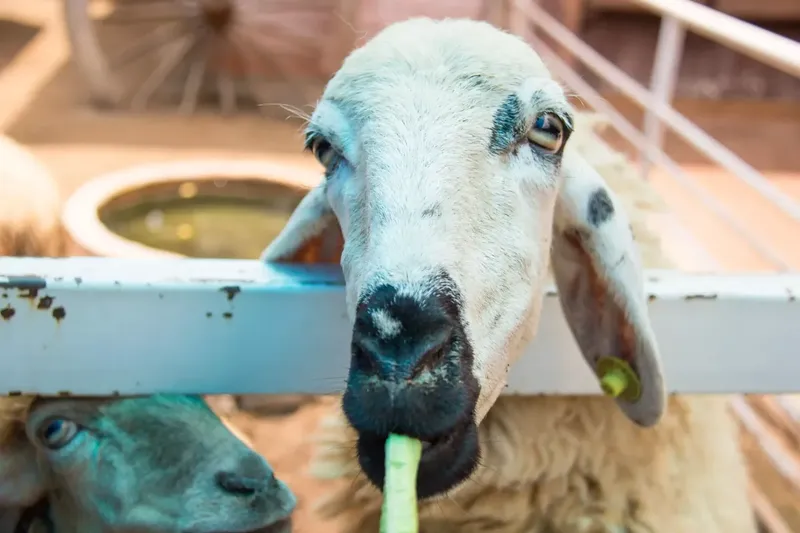
Yes, cooked lentils are safe for goats in small amounts. They’re a decent protein boost, but goats don’t need them as a regular part of their diet since alfalfa and quality browse already cover their protein needs.
Can goats eat lentils?
Cooked lentils are the way to go. Raw lentils are hard for goats to digest and can cause gas, bloating, and general stomach upset.
Cook them until they’re soft, then mix a small handful into your goat’s grain ration. Don’t offer a bowl of straight lentils since that’s too much of a good thing all at once.
The benefits of feeding lentils to goats
Lentils are high in protein and fiber. For a doe in late pregnancy or heavy lactation, a handful of cooked lentils mixed into her oats can give her an extra nutritional boost when she needs it most.
They also contain iron, folate, and manganese. These nutrients support healthy blood production and overall immune function, which matters most during times of stress like kidding season.
Are there any risks associated with feeding lentils to goats?
The number one risk is feeding too many at once. Lentils are high in fiber, and a sudden large serving can throw off the rumen and cause gas, loose stools, or bloat.
Raw or undercooked lentils are harder to digest and can contain compounds that irritate the gut, unlike peanuts which can be fed raw without issue. Always cook lentils thoroughly before offering them, and introduce them gradually over several days so the rumen bacteria can adjust.
Additional tips for feeding lentils to goats
Start with about a quarter cup of cooked lentils per adult goat per day. Watch their droppings for the next couple of days to make sure everything stays firm and pellet-shaped.
If they handle that amount fine, you can bump it up to half a cup. There’s no need to go beyond that since goats get their protein from alfalfa, browse, and quality feed, and lentils are just a supplement.
Other legumes sit in the same quarter-cup range, including edamame pods, which goats digest whole without any cooking.
A recipe for a goat feed mix that includes lentils
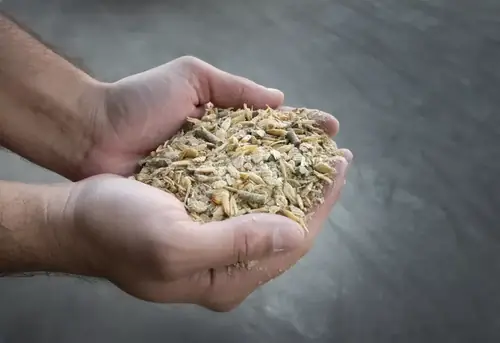
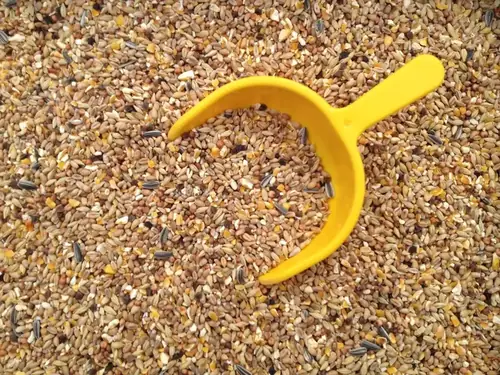
Mix together equal parts oats and barley, then stir in a smaller portion of cooked lentils. A ratio of about 4 parts grain to 1 part lentils works well for most adult goats.
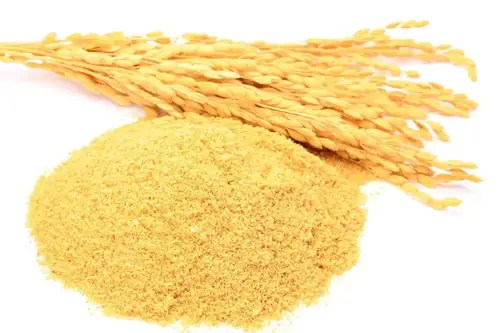
Underweight goats can take a little rice bran in the same mix for extra fat.
You can also just toss leftover cooked lentils from the kitchen into their grain bucket. This is one of the easiest ways to use up lentils that didn’t get finished at dinner, and the goats won’t complain about the seasoning.
What are lentils and what do they offer nutritionally?
Lentils are a legume, the same family as peas and beans. They come in several varieties including red, green, brown, and black, and all of them are safe for goats when cooked.
Red lentils break down the most during cooking, which makes them the easiest for goats to digest. Green and brown lentils hold their shape better and have slightly more fiber, but either type works fine as an occasional protein supplement.
Final Thoughts
Goats can eat cooked lentils as an occasional treat or supplement. They’re packed with protein and fiber, but they shouldn’t replace hay, browse, or a balanced goat feed.
Cook them thoroughly, start with small amounts, and mix them into grain rather than feeding them straight. Lentil plants and vines from the garden are also safe for goats to browse on if you grow your own, much like pumpkin vines and squash plants.
Frequently Asked Questions
Yes, cooked lentils are safe for goats in small amounts. They're loaded with protein, iron, and folate. Always cook them thoroughly before feeding, as raw lentils are hard to digest and can cause bloating.
Legumes, such as lentils, play an important role in Goat nutrition. They're packed with protein, fiber, and other nutrients. However, there are some risks associated with feeding legumes to goats.
Lentils are a type of legume that's commonly used in Indian and Middle Eastern cooking. They're an excellent source of protein and fiber, and they're also low in calories and fat. Lentils are rich in iron, folate, and manganese.