| # | Product | Our Rating | ||
|---|---|---|---|---|
| 1 |  | Best OverallREDMOND Goat Mineral Supplement (5 lb) | ★★★★★ | Check Price |
| 2 |  | Wholesome Harvest 16% Goat Feed (10 lb) | ★★★★☆ | Check Price |
| 3 |  | Manna Pro Goat Treats | ★★★★☆ | Check Price |
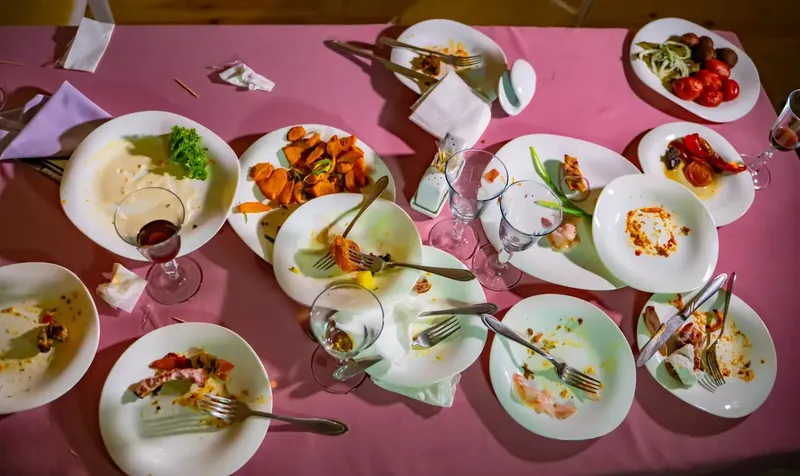
Most goat owners have stood in the kitchen with a pile of scraps and wondered whether the goats could eat them. The answer depends entirely on what those scraps are.
Some leftovers make great treats while others can put your goats in serious trouble.
Can I feed my goat leftovers?
You can feed your goats certain leftovers, but you need to check every item individually. Goats have sensitive rumens, and the wrong food can cause anything from mild digestive upset to a genuine emergency.
The biggest rule is simple: if you wouldn’t compost it, don’t feed it to your goats. Moldy pumpkins and other spoiled produce should go straight in the trash, not the feed trough.
Goats have a reputation for eating anything, but they are pickier than the myth suggests and turn down plenty of what lands in front of them.
What are some things I need to consider before feeding my goat leftovers?
First, ask yourself whether the food is plain and unprocessed. Seasoned leftovers are a problem because many common seasonings contain garlic and onion powder, both of which are toxic to goats.
Second, consider portion size. Leftovers should be a small supplement to your goats’ regular diet of hay and minerals, never a replacement.
Third, introduce new foods slowly. A goat’s rumen needs time to adjust, and dumping a big pile of unfamiliar scraps can cause bloat or scours.
What kind of leftovers can I feed my goat?
Safe leftovers include plain vegetable scraps like carrot peels, squash ends, lettuce, and celery ends and leaves. Cauliflower trimmings are fine as well, so long as the florets stay a treat instead of filling the bucket. Fruit scraps such as apple cores, pear slices, watermelon rinds, and banana peels are also fine in moderation.
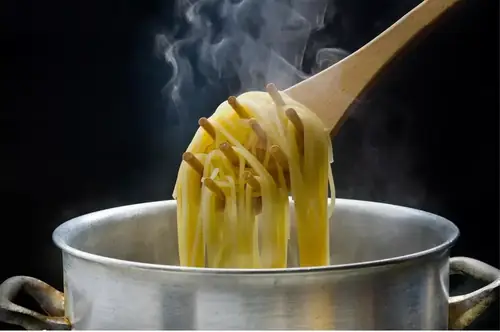
Plain cooked rice, oats, stale bread, and plain cooked pasta are acceptable in small amounts. Leftover hay or garden trimmings from non-toxic plants work well too.
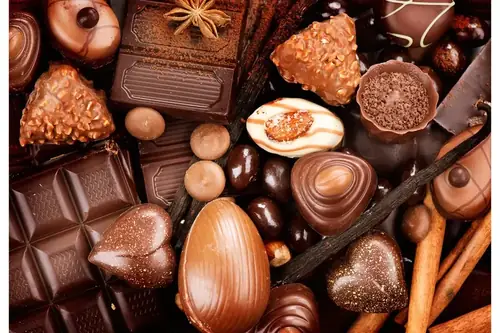
Foods you should never feed your goats include onions, garlic, chocolate, avocado, and anything containing caffeine. Meat, dairy products, and heavily seasoned or fried foods are also off limits.
The benefits of feeding your goat leftovers
Sharing safe kitchen scraps with your goats is a good way to cut down on food waste. Instead of tossing those carrot tops and apple cores in the compost, you’re putting them to use.
It also gives you extra bonding time with your herd. Goats learn to associate you with good things, and hand-feeding scraps builds trust fast.
Sunflower seeds are another affordable treat that goats go wild for.
You’ll save a little on feed costs too, though leftovers should never make up more than about 10% of their overall diet.
Are there any risks associated with feeding my goat leftovers?
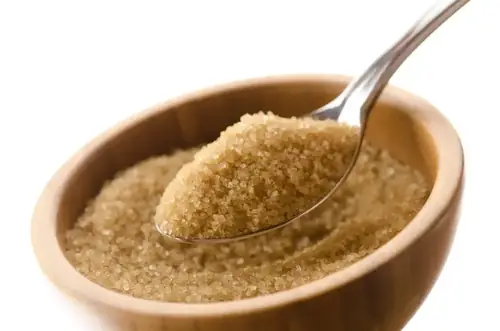
Probably the biggest risk is accidentally feeding something toxic. Onions and garlic can damage red blood cells in goats, and chocolate contains theobromine which is poisonous to them.
Meat and bones do not belong in the bucket either, since goats are herbivores and gnawing on bones signals a mineral gap rather than a snack worth indulging.
Moldy food is another serious concern. Mold produces mycotoxins that can cause liver damage, miscarriage in pregnant does, and even death in severe cases.
Overfeeding scraps high in sugar or starch can throw off the rumen’s pH balance and lead to acidosis. Stick to small amounts and keep the diet anchored in quality timothy or alfalfa hay.
Livestock feed left within reach is riskier than table scraps. A goat that empties a bucket of chicken feed can be in serious trouble within hours.
Pet bowls belong on that list too, since animal protein and copper accumulate in a goat’s liver over weeks of raiding.
How to feed your goat leftovers safely?
Always sort through leftovers before offering them. Remove any seasoned, moldy, or questionable items from the pile.
Chop larger scraps into smaller pieces to reduce choking risk, especially for younger goats. Scatter the food across the ground or place it in a trough so all the goats get a fair share rather than one dominant doe hogging everything.
If you’re unsure whether a specific food is safe, skip it. There are plenty of safe options, so there’s no reason to gamble on something you’re not sure about.
Final Thoughts
Feeding your goats leftovers can be a great way to reduce waste and treat your herd, as long as you’re careful about what goes into the bucket. Stick to plain fruits, vegetables, and grains while avoiding anything seasoned, processed, or moldy.
When in doubt, leave it out. Your goats are better off with their regular hay and minerals than with a risky table scrap.
Frequently Asked Questions
You can feed your goat leftovers, but you need to be careful about what kind of leftovers you're giving them. Certain foods can be harmful to goats, so do your research before feeding them anything new and to make sure the leftovers are safe to eat.
You need to make sure that the leftovers are safe for them to eat. Some foods can be harmful to goats, so do your research before feeding them anything new.
Some examples of safe leftovers to feed your goat include:.
You need to make sure that the food is safe for them to eat.