
| # | Product | Our Rating | ||
|---|---|---|---|---|
| 1 |  | Best OverallElectric Net Fence for Goats | ★★★★★ | Check Price |
| 2 |  | Wall-Mount Goat Hay Feeder | ★★★★☆ | Check Price |
| 3 |  | Farm Innovators Heated Water Bucket | ★★★★☆ | Check Price |
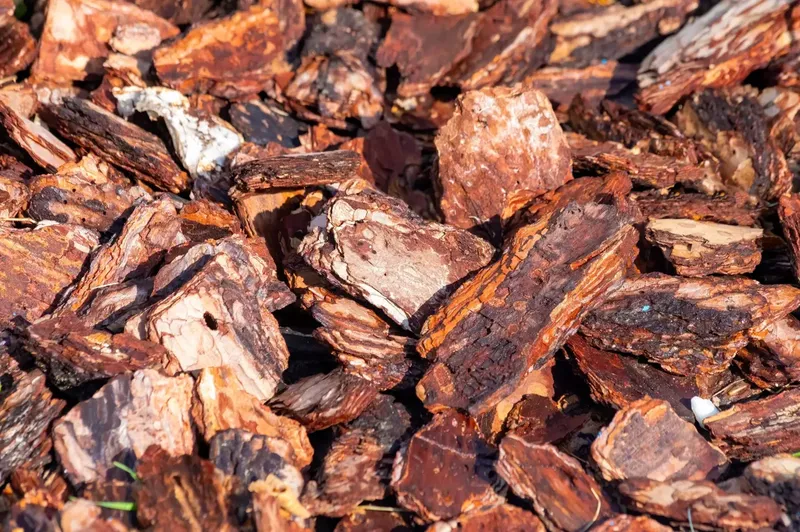
Pine chips and pine shavings are one of the best bedding options you can use for goats. They’re absorbent, control odor well, and the natural oils in pine have mild antibacterial properties that help keep your barn cleaner between mucking sessions.
Can pine chips be used as bedding for goats?
Absolutely. Pine shavings and pine chips are a popular choice among goat farmers with good cause.
They soak up urine quickly, keep ammonia levels down, and create a soft, comfortable surface for your goats to sleep on.
The key is to use kiln-dried pine. Fresh pine straight from a sawmill has higher levels of volatile oils that can irritate airways, but the kiln-drying process burns off most of those compounds.
Bagged pine shavings from the feed store are almost always kiln-dried.
What should you consider before using pine chips as bedding for goats?
Never use cedar shavings for goat bedding. Cedar contains aromatic oils called plicatic acid and thujone that cause respiratory irritation, especially in enclosed barns.
Goat barn size matters too, and knowing whether a 12x12 barn is enough helps you plan bedding needs accurately. Prolonged exposure has been linked to liver problems in small livestock.
Cedar smells great to us, but it isn’t worth the risk to your herd.
Also make sure your pine chips come from untreated wood. Chips from painted, stained, or pressure-treated lumber contain chemicals that are toxic to goats.
If you’re buying in bulk from a sawmill or tree service company, ask where the wood came from before dumping it in your barn.
What are the benefits of using pine chips as bedding for goats?
Pine chips hold their structure better than straw. Straw compresses flat under goat hooves within a few days, but wood chips stay fluffy and keep doing their job longer between cleanings.
That saves you time and labor.
The natural pine oils help control odor by neutralizing ammonia from urine. Ammonia buildup is one of the biggest threats to goat respiratory health, so anything that keeps it in check is a real advantage.
This is especially important when pygmy goats sleep with chickens in shared barns where ammonia from both species compounds quickly. Pine chips also provide decent insulation from cold concrete or dirt floors during the winter months.
How do you use pine chips as bedding for goats?
Spread a layer of pine shavings about four to six inches deep across the floor of your goat stall. That’s thick enough to absorb moisture and provide cushioning without wasting material.
Pine pellets are another great option. They come compressed and expand when they get wet, absorbing a lot of liquid in the process.
Some farmers use a base layer of pine pellets topped with pine shavings for maximum absorbency.
How to prevent your goat from being injured by pine chips?
Pine chips are generally very safe, but avoid anything with sharp splinters or large jagged pieces. Fine to medium shavings work better than coarse chunks for goat bedding.
Large chips can poke into hooves or get wedged between hoof walls.
Make sure the bedding stays dry. Wet pine chips lose their absorbency and can grow mold, which is a respiratory hazard.
Damp bedding also creates conditions for hoof rot, which thrives in wet environments. Spot-clean wet areas daily and add a fresh layer of dry shavings on top.
How Often to Replace Pine Chip Bedding
The deep litter method works well with pine shavings. Instead of cleaning the entire stall every week, you add fresh shavings on top of the old layer and let the bottom decompose slowly.
This generates a small amount of heat in winter, which your goats will appreciate. Proper bedding insulation is critical because goats can die in cold weather if their shelter doesn’t protect them adequately.
Do a full cleanout two to four times per year.
Between full cleanouts, remove any visible wet spots or manure piles daily. If you walk into the barn and smell ammonia, the bedding is overdue for a change.
Ammonia fumes can lead to pneumonia in goats faster than most people realize. Multi-species barns where goats, pigs, and chickens share space need even more frequent bedding changes.
For buying in bulk, check with local sawmills and tree service companies. They often sell pine chips by the truckload for a fraction of what bagged shavings cost at the feed store.
Some will even deliver a load for free just to get rid of it.
Final Thoughts
Pine chips and shavings are a reliable, affordable bedding choice that most goat farmers swear by. Stick with kiln-dried pine, stay away from cedar, and keep the bedding dry.
Whether you go with shavings, chips, or pellets, your goats will have a clean and comfortable place to sleep. That alone makes pine worth the investment.
Frequently Asked Questions
You can use pine chips as bedding for goats because they're absorbent, help with odor control, and are relatively inexpensive. In fact, many goat farmers use pine chips as bedding for their goats and find them to be a suitable option.
Pine chips are small chunks of wood that are created when unwanted trees are cut down and processed into usable material. Depending on their intended use, these wood chips can be dried and ground into a fine powder, or they can simply be left in their natural form.
Use kiln-dried pine to reduce volatile oils that can irritate airways. Never use cedar shavings, which contain toxic aromatic oils, and make sure the chips come from untreated wood rather than painted or pressure-treated lumber.
Spread a layer of pine shavings about four to six inches deep across the floor. The deep litter method works well, where you add fresh shavings on top and do a full cleanout two to four times per year.