Dogs and goats share space on more farms and homesteads every year as livestock guardian breeds gain popularity and hobby herds keep expanding. Whether a dog can get sick from a goat depends on several factors, and vets in agricultural areas regularly trace infections back to close daily contact between the two species, especially during kidding months.
Your dog’s risk depends on age, immune health, and how closely the two species interact. This guide covers every documented pathogen that crosses between them, the warning signs that call for a vet visit, and a prevention framework grounded in current clinical evidence.
How Diseases Pass Between Goats and Dogs
Three pathways account for nearly all cases: fecal contact, birth fluid exposure, and shared water sources.
Before a dog can catch anything from a goat, there has to be a transmission route. Knowing how pathogens actually move between the two species helps you focus prevention where it counts.
Contact With Feces and Urine
This is the most common pathway by far. Dogs on farms routinely sniff, roll in, and even eat goat droppings — a habit vets call coprophagia.
Goat feces can harbor Cryptosporidium, Giardia, Salmonella, and Campylobacter organisms. Urine-contaminated soil and bedding carry Leptospira bacteria that enter through a dog’s mucous membranes or open skin wounds.
The risk multiplies during kidding season when waste output increases and barn floors stay damp for longer periods.
Birth Fluids and Afterbirth
Dogs are naturally attracted to placental tissue and birthing fluids. Eating this material exposes them to Coxiella burnetii (the bacterium behind Q fever), Brucella species, and Chlamydophila abortus.
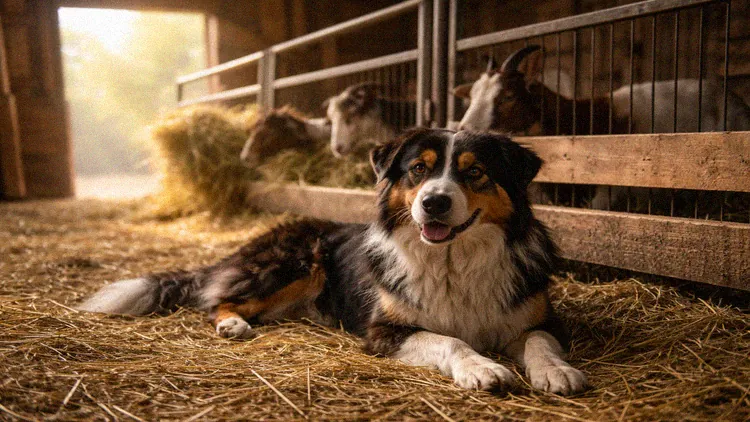
These organisms concentrate heavily in reproductive tissues. Even dogs that don’t eat afterbirth can inhale aerosolized bacteria from dried birth materials in closed barns.
Shared Water and Feeding Areas
Communal water troughs become breeding grounds for Leptospira and protozoan parasites. When goats urinate near water sources or defecate in troughs, the contamination cycle continues with every drink your dog takes.
Shared mineral feeders and grain buckets create fecal-oral risk most owners never think about.
Bacterial Infections Dogs Can Catch From Goats
A handful of bacterial pathogens move between goats and dogs fairly easily. These tend to cause the most serious problems when a dog does get sick from a goat.
Leptospirosis
Leptospirosis ranks among the top health concerns for any farm dog. Leptospira bacteria shed through goat urine and survive for weeks in wet soil, puddles, and bedding material.
Dogs become infected when contaminated material contacts their eyes, nose, mouth, or open wounds. Symptoms include fever, vomiting, diarrhea, muscle stiffness, lethargy, and sudden loss of appetite.
Without treatment, leptospirosis progresses to kidney failure and liver damage. The incubation period runs approximately seven days from exposure.
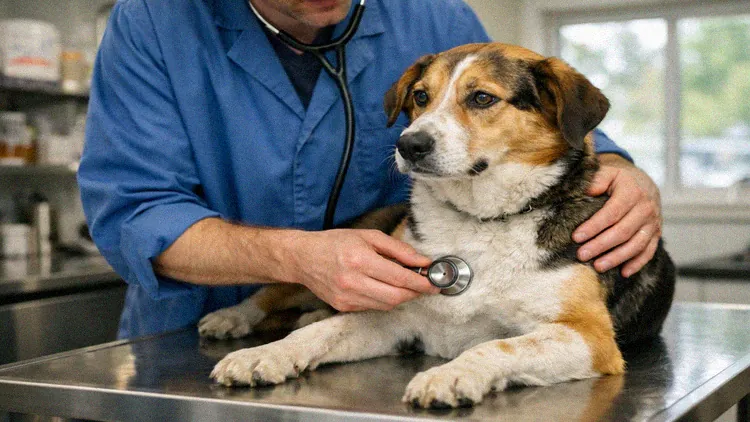
Doxycycline is the standard antibiotic treatment. Dogs treated early achieve survival rates of 80 to 90 percent, according to veterinary research from Cornell University.
A four-way leptospirosis vaccine is available and strongly recommended for all dogs living near livestock.
Q Fever (Coxiella burnetii)
Q fever spreads mainly through inhaling contaminated dust from dried placental material and birth fluids. Dogs housed near kidding areas face the highest exposure risk.
Most dogs infected with Coxiella burnetii never show symptoms. When illness does develop, signs include mild fever, lethargy, and reduced appetite.
The bigger worry is that infected dogs can shed the bacterium to humans. That makes Q fever a zoonotic public health concern, not just a veterinary one.
Salmonellosis and Campylobacteriosis
Salmonella and Campylobacter both live in the goat intestinal tract and shed through feces. Dogs pick up these pathogens through direct fecal contact or contaminated water.
Salmonellosis causes acute diarrhea that’s often bloody, along with vomiting and fever. Campylobacteriosis triggers similar gastrointestinal distress.
Young dogs, senior dogs, and immunocompromised animals face the greatest danger from both infections. Healthy adults sometimes carry these bacteria without visible symptoms, creating a silent transmission pathway that extends to human family members.
Which Bacterial Infection Is Most Dangerous?
Leptospirosis. It’s the only goat-to-dog bacterial infection that routinely causes organ failure and death without treatment, which is why the four-way vaccine is considered essential for farm dogs.
Parasites That Spread From Goats to Dogs
Parasites are a daily concern on any property where dogs and goats share the same ground.
Giardia and Cryptosporidium
Both protozoan parasites infect goats and dogs, though the specific assemblages involved determine whether cross-species transmission actually occurs. Giardia duodenalis assemblage A infects both goats and dogs, making fecal-oral transmission between them well documented.
Cryptosporidium parvum, commonly found in goat herds, also affects dogs. Puppies and immunocompromised animals are the most vulnerable.
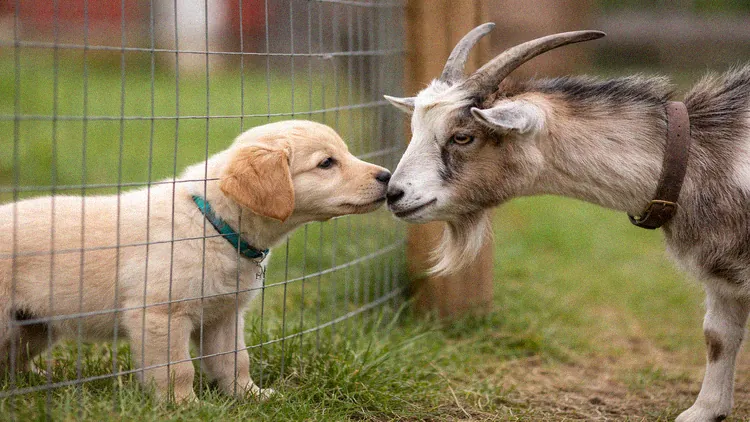
Symptoms include watery diarrhea, weight loss, and progressive dehydration. A fecal flotation test at your vet’s office confirms the diagnosis.
Tapeworms and Other Internal Parasites
Dogs that eat raw goat meat, organs, or infected intermediate hosts like pasture beetles can develop tapeworm infections. Moniezia species found in goats use mites as intermediate hosts, and dogs exploring goat pastures may swallow these without realizing it.
The fact that dogs can pick up tapeworm species that cycle between livestock and canines makes regular fecal exams and a consistent deworming protocol essential.
External Parasites Like Ticks and Mites
Ticks don’t care what species they’re feeding on. A tick that drops off an infected goat can latch right onto a nearby dog, potentially passing along Lyme disease, anaplasmosis, or ehrlichiosis.
Certain mite species can temporarily infest dogs that sleep near goats, causing skin irritation and persistent itching. While goat-specific mites rarely set up permanent colonies on dogs, the secondary skin infections they cause still need veterinary attention.
Are Puppies More at Risk Than Adult Dogs?
Significantly. Young dogs lack mature immune defenses and tend to mouth everything they find, increasing their exposure to contaminated feces and soil.
Parasitic infections like giardia and cryptosporidium typically hit puppies much harder than healthy adults.
Viral Diseases Dogs Can Get From Goats
Viruses jump between goats and dogs less often than bacteria or parasites, but two still deserve your full attention.
Rabies
Any mammal can carry rabies, and goats are no exception. An unvaccinated goat bitten by a rabid wild animal becomes a direct threat to every dog on the property.
Rabies in goats often shows up as unusual aggression, excessive drooling, or sudden hindquarter paralysis. Dogs must stay current on rabies vaccinations without exception, since this disease is nearly always fatal once clinical signs appear.
Orf (Contagious Ecthyma)
Orf virus causes painful blisters and crusty scabs around the mouth and muzzle of infected goats. Dogs that mouth or lick these lesions can end up with localized skin sores of their own.
Orf in dogs is rare and usually clears up on its own. That said, open sores can pick up a secondary bacterial infection, turning a minor viral issue into a wound care problem that needs antibiotics.
Symptoms That Signal Your Dog Is Sick
The most common early signs include vomiting, bloody stool, dark urine, and sudden lethargy.
Cross-species infections show up differently depending on the pathogen involved. Keep an eye out for these red flags if your dog lives with goats or recently spent time around livestock.
- Persistent vomiting or diarrhea lasting beyond 24 hours
- Bloody or mucus-laden stool
- Fever, shivering, or excessive panting
- Sudden loss of appetite or refusal to drink water
- Dark or orange-colored urine, a hallmark of leptospirosis
- Yellowing of the gums and whites of the eyes (jaundice)
- Unexplained lethargy or reluctance to stand and walk
- Excessive scratching, hair loss, or visible skin lesions
- Swollen lymph nodes beneath the jaw or behind the knees
- Rapid, unexplained weight loss over several days
A lot of these symptoms overlap between infections. Blood work, urinalysis, and fecal testing are usually needed to pin down the exact cause.
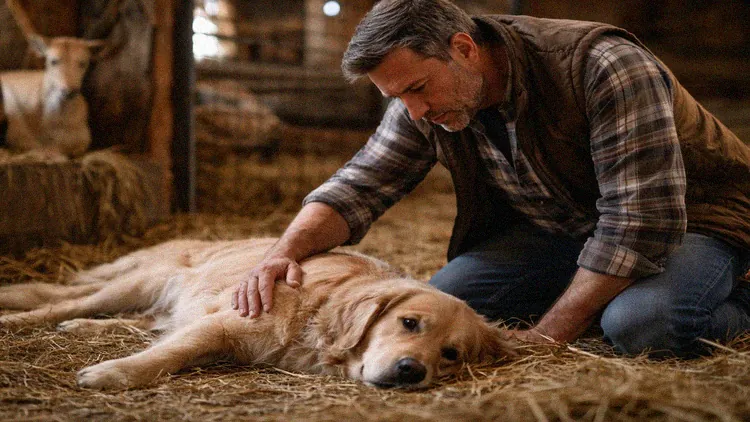
Don’t try to treat a suspected cross-species infection at home. Getting to the vet early makes a real difference in outcomes, especially with leptospirosis and heavy parasitic loads.
What To Do If Your Dog Gets Sick After Goat Contact
Time is critical when a dog gets sick after close goat contact. These steps give your vet the best shot at a fast, accurate diagnosis.
- Isolate the dog from other animals and household members until a diagnosis is confirmed.
- Collect a fresh stool sample in a sealed bag. Your vet needs this for parasite screening and bacterial culture.
- Document the timeline. When did symptoms begin? What specific goat contact occurred? Did the dog consume feces, afterbirth, or raw tissue?
- Contact your veterinarian immediately. Mention the goat exposure so your vet can run targeted tests instead of general screening panels.
- Bring vaccination records. Your dog’s leptospirosis and rabies vaccination status helps narrow the differential diagnosis significantly.
Some of the diseases that pass from goats to dogs also pose direct risks to people. If your dog tests positive for leptospirosis, Q fever, or salmonellosis, let your doctor know as well.
How To Prevent Disease Transmission on Your Farm
Preventing disease through basic farm biosecurity is always cheaper than treating it. These protocols work on any property where dogs and goats share space.
Vaccination and Deworming Schedules
Keep your dog current on all core vaccines plus the leptospirosis vaccine. The AVMA classifies it as non-core for urban pets, but leptospirosis vaccination is essential for any dog that lives around livestock.
Rabies vaccination is legally mandated in most states and guards against the deadliest possible crossover between goats and dogs.
Deworm your dog regularly with a broad-spectrum product your vet recommends. Farm dogs usually need treatment every three months, not the twice-yearly schedule most house pets follow.
Add fecal exams every six months to catch infections that routine deworming alone may miss.
Hygiene and Environment Management
Clean kidding stalls promptly and remove all placental material before dogs can reach it. This single habit eliminates the primary transmission route for Q fever and brucellosis on most farms.
Set up separate water sources for dogs and goats wherever you can. If shared troughs can’t be avoided, drain and refill them daily.
Stagnant water incubates Leptospira bacteria rapidly in warm conditions. Fresh water matters for goat health too, so the daily refill pays off twice.
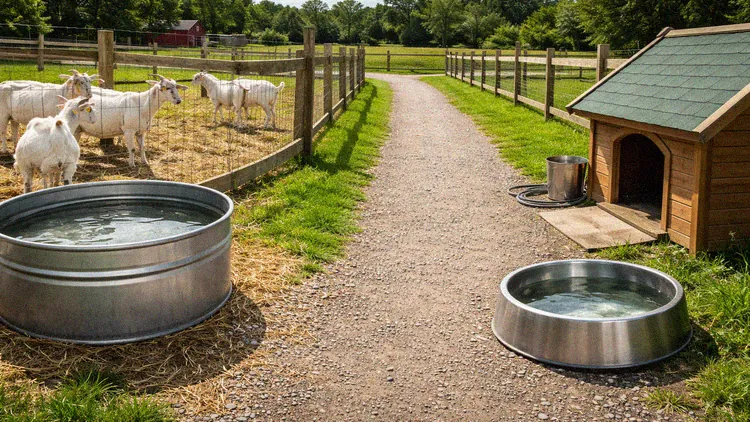
Pick up goat droppings where your dog rests and eats. You can’t sterilize every pasture acre, but keeping barn floors, porches, and feeding stations clean significantly cuts oral exposure.
Store dog food in sealed containers away from goat areas. Goat pellets ending up in kibble dishes is a completely preventable source of bacterial and parasitic contamination.
Special Risks for Livestock Guardian Dogs
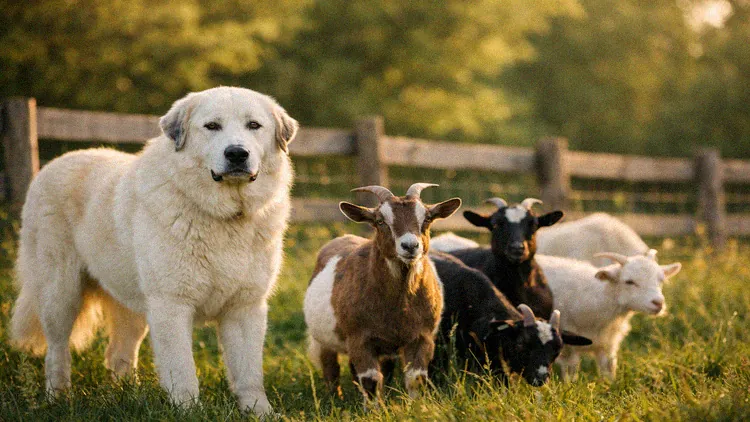
Livestock guardian dogs face far greater exposure because round-the-clock goat contact is literally their job. They sleep in barns, patrol kidding pens, and often eat afterbirth instinctively to clean up and deter predators.
For LGDs, the leptospirosis vaccine is absolutely non-negotiable. Discuss a more aggressive deworming rotation with your vet, potentially every eight weeks during high-exposure periods like spring kidding.
Run fecal panels quarterly instead of biannually for working guardian dogs. Watch them especially closely during kidding, when exposure to birth fluids, soaked bedding, and stressed goats all peaks at once.
Restrict LGD access to freshly kidded stalls until cleanup finishes, even if it conflicts with traditional practices. A healthy guardian dog protects the herd far more effectively than one fighting a preventable infection.
Final Thoughts
A dog can get sick from a goat, but the vast majority of these infections are preventable with straightforward management. Vaccination, consistent deworming, clean living areas, and a quick trip to the vet at the first sign of trouble form a solid defense.
Knowing which pathogens travel between goats and dogs puts you well ahead of owners who only learn about these risks in the middle of an emergency. Work prevention into your daily farm routine, and both your dog and your herd will be better off.
Frequently Asked Questions
Yes, dogs can contract bacterial infections like leptospirosis and salmonellosis, parasitic infections including giardia and tapeworms, and in rare cases viral diseases such as rabies from goats. The risk level depends on how closely the two species interact and whether vaccination and hygiene protocols are maintained.
Goat feces are not directly toxic, but they can carry harmful pathogens including Salmonella, Campylobacter, Giardia, and Cryptosporidium. Dogs that regularly consume goat droppings face a higher risk of gastrointestinal illness and parasitic infection that requires veterinary treatment.
Yes. Goats shed Leptospira bacteria through urine, and these organisms survive for weeks in moist soil and standing water. Dogs become infected when contaminated material contacts their eyes, nose, mouth, or skin wounds. A four-way leptospirosis vaccine is the most effective prevention measure.
Incubation periods vary by disease. Leptospirosis symptoms typically appear within seven days. Salmonellosis and campylobacteriosis may develop within 12 to 72 hours. Parasitic infections like giardia can take one to two weeks before diarrhea becomes noticeable. Seek veterinary care at the first sign of illness.
Yes. Livestock guardian dogs require more frequent veterinary attention due to constant livestock exposure. This includes leptospirosis vaccination, quarterly fecal exams, deworming every eight to twelve weeks, and close monitoring during kidding season when disease transmission risk is highest.