| # | Product | Our Rating | ||
|---|---|---|---|---|
| 1 |  | Best OverallREDMOND Goat Mineral Supplement (5 lb) | ★★★★★ | Check Price |
| 2 |  | Wholesome Harvest 16% Goat Feed (10 lb) | ★★★★☆ | Check Price |
| 3 |  | Manna Pro Goat Treats | ★★★★☆ | Check Price |
Peppermint treats are safe for goats in small amounts. Whether it’s a candy cane during the holidays or a sprig of fresh peppermint from the garden, most goats enjoy the minty flavor.
The key word here’s moderation. Peppermint itself isn’t harmful to goats, but the sugar in peppermint candy is what you need to watch.
Can goats have peppermint treats?
Yes, goats can have peppermint treats as an occasional snack. A few peppermint candies or candy canes here and there won’t hurt a healthy goat.
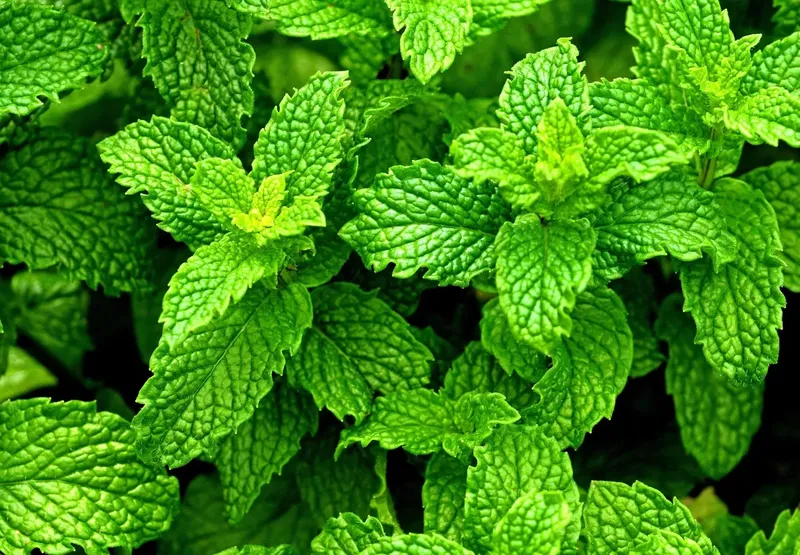
Fresh peppermint leaves from the plant are even better since they have the flavor goats enjoy without the added sugar, similar to how fresh dandelions from the yard make a healthier option than processed treats. Either way, keep it to small amounts and you’ll have no issues.
What are the benefits of giving goats peppermint treats?
Peppermint has mild digestive benefits that Plenty of goat owners swear by. The menthol can help soothe an upset stomach, and some farmers offer peppermint tea to goats that seem gassy or uncomfortable after eating.
Quite a few goat owners also believe that the strong scent of peppermint helps repel flies and other insects, which can help reduce the risk of mite infestations. Whether you’re using it for digestive support or just as a fun treat, peppermint is a safe choice in reasonable quantities.
How do you give goats peppermint treats?
The easiest method is to drop one or two peppermint candies into a goat’s feed bucket. They’ll find them quickly and crunch right through them.
For a healthier option, plant some peppermint near your barn and offer fresh leaves by hand. You can also brew a weak peppermint tea and add it to their water on occasion, though most goats are just as happy with the leaves themselves.
What are the risks of giving goats peppermint treats?
The peppermint itself isn’t the problem. The sugar in candy is what you need to limit, since too much sugar can disrupt the microbial balance in a goat’s rumen and lead to digestive upset.
Excessive sugar over time also contributes to obesity, which causes joint problems and complications during kidding. Healthier treat alternatives include blueberries, strawberries, and fresh bananas.
Sugar is not the only treat that unsettles those microbes, since the lactose in cheese ferments in much the same way.
Peppermint bark and candy canes dipped in cocoa are a different matter entirely, because theobromine reaches the heart rather than just the rumen.
Stick to one or two candies at a time and you’ll stay well within safe limits.
How to prevent health problems associated with giving goats peppermint treats?
Keep it simple: limit peppermint candy treats to a couple pieces per goat and don’t offer them every day. Fresh peppermint leaves are always the safer option since there’s no added sugar.
If you notice loose droppings or a goat going off its regular feed after having peppermint, cut back or switch to fresh leaves only. Every goat handles treats a little differently, so pay attention to how yours responds.
Are there any other types of mint that can be given to goats instead of peppermint treats?
Most common mint varieties are safe for goats. Spearmint, chocolate mint, apple mint, and lemon balm are all fine choices that goats tend to enjoy.
Aromatic herbs beyond the mint family work as treats too, and basil is another safe option when you offer it in small amounts. Cilantro sits in that same group, with the leaves, stems, and seeds all safe and no toxic dose on record.
The two you should avoid are pennyroyal and wintergreen. Pennyroyal can be toxic in larger amounts, and wintergreen contains compounds that are harder on a goat’s system.
Stick with the common garden mints and you’ll be in good shape.
How much should you give your goats per day in terms of mint treats?
A small handful of fresh mint leaves or one to two candies per goat per day is plenty. For a small herd of three or four goats, a few sprigs of mint from the garden is more than enough.
Mint treats should make up a tiny fraction of the overall diet. Hay, pasture, grain, and minerals are doing the real nutritional work, and treats like peppermint are just for enrichment and bonding with your goats.
When is the best time to give goats peppermint treats?
Morning and evening work best since goats are most active during cooler parts of the day. Many owners use peppermint as a reward during handling, hoof trimming, or vet visits.
Avoid giving treats right before or after a big meal. Spacing treats away from regular feeding times helps prevent digestive upset and keeps your goats eager to cooperate when you need them to.
Final Thoughts
Peppermint is a safe treat for goats when you keep the portions small. Fresh peppermint leaves are the healthiest option, and a candy cane or two won’t cause any harm either.
Just watch the sugar, use peppermint as an occasional reward rather than a daily habit, and your goats will enjoy every minty bite.
Frequently Asked Questions
Goats can have peppermint treats in small moderation. In fact, peppermint may even have some health benefits for goats. Some goat owners use peppermint treats as a way to naturally repel insects. They're also known to help with digestion and can be helpful for treating respiratory infections.
Goats are often given peppermint treats as a way to keep them healthy and happy. Peppermint has various benefits for goats, including improving their digestion, easing stomach discomfort, and helping to repel insects.
To give a goat a peppermint treat, simply drop 1-2 mints in their feed bucket per day. Peppermints are a great way to show your goat some love, and they'll enjoy the refreshing taste.
The peppermint itself isn't dangerous. The sugar in candy is what you need to limit, since too much sugar can disrupt the rumen and lead to digestive upset or obesity over time. Stick to one or two candies at a time.