
| # | Product | Our Rating | ||
|---|---|---|---|---|
| 1 |  | Best OverallREDMOND Goat Mineral Supplement (5 lb) | ★★★★★ | Check Price |
| 2 |  | Wholesome Harvest 16% Goat Feed (10 lb) | ★★★★☆ | Check Price |
| 3 |  | Manna Pro Goat Treats | ★★★★☆ | Check Price |
Ask ten goat owners whether cotton is safe and you’ll get ten different answers, mostly because “cotton” can mean three very different things. It might be the plant growing in a field, the seed pressed into livestock feed, or the sweater your goat just pulled off the clothesline.
Each of those forms behaves differently once it hits a goat’s stomach. This guide walks through what actually happens inside the rumen, where the real dangers hide, and how to tell whether your goat is handling cotton or quietly getting into trouble.
You’ll also get a clear breakdown of the gossypol question, the one real toxin in the cotton story. By the end you should be able to look at any form of cotton and know whether to relax or reach for the phone.
Can Goats Digest Cotton?
Goats can digest cotton in its natural plant form because it is built almost entirely from cellulose, the same fibrous material found in grass and hay. Their rumen is packed with microbes that specialize in fermenting exactly this kind of tough fiber.
Processed cotton is where that simple answer falls apart. Woven fabric, cottonseed, and dyed clothing all carry extras a goat can’t break down as cleanly as a fresh cotton leaf.
So the honest response is “partly, and it depends.” A goat browsing a cotton plant is doing something close to natural foraging, while a goat swallowing a rag is gambling with a blockage.
Think of it as a spectrum rather than a yes or no. On one end sits a mouthful of raw cotton fiber that ferments like hay, and on the other sits a dyed synthetic-blend garment that behaves like swallowed plastic.

The difference comes down to structure. Loose plant fiber breaks apart and ferments, but tightly woven or chemically treated cotton resists the same process and can sit in the gut far longer than it should.
How a Goat’s Four-Chamber Stomach Breaks Down Cotton
In simple terms, rumen microbes ferment cotton’s cellulose, and the other three stomach chambers finish the job.
Goats are ruminants, which means they run food through a four-chamber stomach instead of a single one like ours. The whole setup exists to pull nutrients out of fiber that most animals simply can’t use.
Cellulose is the target. When a goat swallows cotton fiber, billions of bacteria and protozoa in the rumen release enzymes that ferment the cellulose into volatile fatty acids the goat burns for energy.
For scale, an adult goat’s rumen holds several gallons of fluid teeming with microbes. That living culture is exactly what turns tough cotton fiber into a food source instead of dead weight.
The trade-off is speed. Digesting fiber this way is slow work, and it leans on repeated cud chewing to grind particles small enough to move deeper into the gut.
Here is how each chamber contributes to breaking cotton fiber down.
| Chamber | Role in digesting cotton |
|---|---|
| Rumen | Home to microbes that ferment cellulose into usable fatty acids |
| Reticulum | Traps heavy or indigestible material, including fabric scraps and metal bits |
| Omasum | Squeezes out water and absorbs nutrients from the fermented fiber |
| Abomasum | The “true stomach” that uses acid and enzymes on what remains |
The reticulum is the quiet hero and the quiet villain of this story. It catches dense objects so they do not travel further, which protects the goat, but it is also where swallowed fabric and hardware tend to lodge and cause problems.

Transit time is the detail most people overlook. Fiber can spend anywhere from one to four days moving through a goat’s system, and loose cotton lint drifts along with the fermenting mat of hay and browse.
Woven fabric doesn’t join that flow. Because the threads are locked together, the rumen microbes can only nibble at the surface, leaving the core of the cloth intact long after plant fiber would have dissolved.
It’s also why goats near cotton gins sometimes land in trouble. Gin trash, the leftover mix of lint, stems, and hulls, looks like harmless fluff but can carry both dense fiber wads and gossypol-rich seed fragments.
None of this would work without the rumen. A dog or a pig that swallowed the same cotton would get nothing from it and risk a stomachache, because only that microbial vat can turn cellulose into usable fuel.
Cotton Plant, Cottonseed, and Cotton Fabric Are Not the Same
The short version: the plant is edible browse, the seed a limited feed, and the fabric a blockage hazard.
Most confusion about goats and cotton disappears once you separate the plant, the seed, and the fabric. Each one carries a different level of risk, and treating them as a single question leads to bad feeding decisions.
Raw Cotton Plant and Bolls
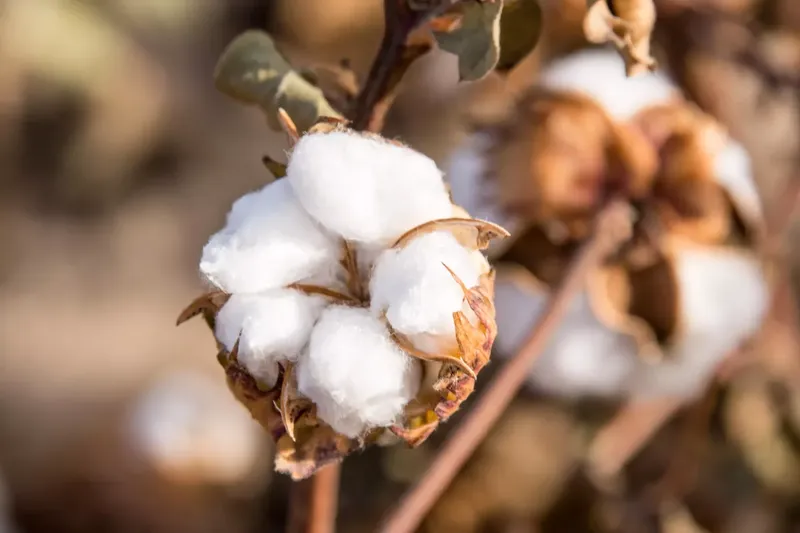
The living cotton plant is essentially browse. Goats will strip the leaves, stems, and even the fluffy bolls, and their rumen handles this fiber much like it handles any weed or shrub.
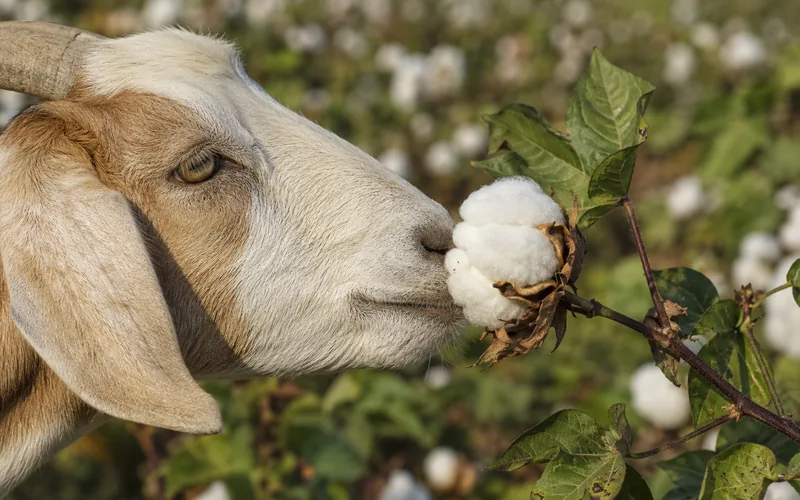
Raw cotton lint, the white fiber inside the boll, is close to pure cellulose. In small amounts it ferments without much trouble, which is why goats grazing near cotton fields rarely have issues from the plant alone.
In a field, the bigger risk isn’t the fiber but the chemicals. Commercial cotton is heavily sprayed, so pesticide and defoliant residue is a bigger concern than the plant material itself.
Cotton foliage itself offers only modest nutrition, roughly comparable to a coarse weed. It works as an occasional browse plant, not a feed you’d plant on purpose for your herd.
Pasture herbs like motherwort play the same occasional role, safe to nibble but rarely a goat’s first choice.
Cottonseed and Cottonseed Hulls
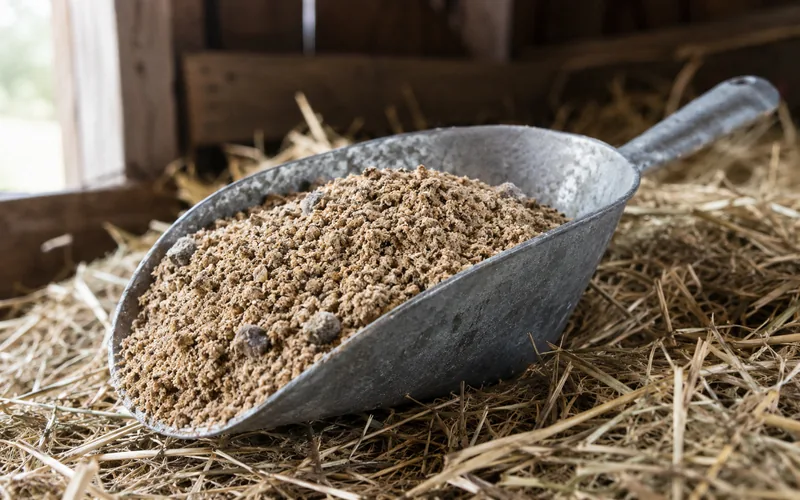
Cottonseed is a common livestock feed, and cottonseed hulls are often sold as roughage. Goats can digest the fibrous hulls fairly well, and whole cottonseed adds protein and fat to a ration.
The wrinkle is a compound called gossypol, which the seed carries naturally. That single ingredient is why cottonseed needs limits rather than free access, and it gets its own section below.
Texture matters here too. Whole fuzzy cottonseed can occasionally clump in the throat of a greedy goat, so it is usually fed alongside plenty of forage rather than by the handful on its own.
Cotton Fabric and Clothing
Fabric is spun from cotton fiber, so people assume it digests like the plant. It doesn’t, because weaving compresses that fiber into a dense, slow-to-break material that behaves nothing like a loose cotton leaf.
Pure cotton cloth will partially ferment over time, but most clothing isn’t pure cotton. Blends with polyester, along with buttons, elastic, and thread, refuse to break down and are the real hazard when a goat eats a shirt.
Thread count works against the goat as well. A tightly woven denim or canvas resists fermentation far longer than a loose knit, which means the heavier the fabric, the longer it lingers where it can cause harm.
Felt and batting are the worst offenders. Because they are matted rather than woven, they hold together like a sponge and are especially prone to forming a solid plug.
The Gossypol Problem With Cottonseed
Gossypol is a yellow pigment produced naturally in the cotton plant, concentrated heavily in the seed. It protects the plant from insects, but in ruminants it can build up and interfere with the body over time.
In goats, chronic gossypol exposure is linked to anemia, reduced fertility, and in severe cases organ damage. The danger is cumulative, so the problem usually comes from feeding cottonseed as a steady staple rather than an occasional supplement.
Mature goats with fully developed rumens tolerate gossypol better than young kids, whose systems are more sensitive. Breeding bucks are a particular concern because gossypol is known to affect sperm production.
The early signs of gossypol poisoning are easy to miss. Weakness, pale gums from anemia, labored breathing, and a slow loss of condition creep in gradually, which is why a whole herd can be affected before an owner connects it to the feed.
Some commercial cottonseed products are processed to lower gossypol levels, but the extraction is never perfect. If you feed cottonseed meal or hulls, keep it to a small fraction of the total diet and skip it entirely for pregnant does and very young animals.
Here’s one area where “goats can eat anything” turns into genuinely dangerous advice. Cottonseed is useful in moderation and harmful in excess, and the line between the two is easy to cross without noticing.
Why Do Goats Eat Cotton, Clothes, and Sweaters?
Put simply, goats mouth cotton and cloth out of curiosity and browsing instinct, not real hunger.
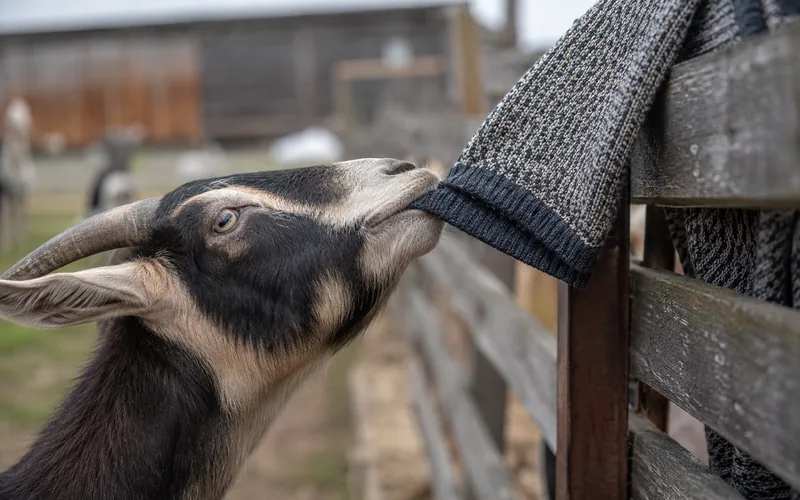
Goats are browsers by nature, wired to sample a wide variety of plants rather than graze one pasture flat. That constant taste-testing instinct is exactly why a goat will grab a sleeve or chew a fabric fence flag.
Cotton clothing often smells like salt, sweat, and food, which reads as interesting to a curious goat. A sweaty work shirt or a sunscreen-scented towel is far more tempting than a plain scrap of cloth.
Boredom and mineral cravings play a role too. A goat short on fiber or lacking a good loose mineral may chew odd objects looking for something its body wants, a habit that fades once the diet is balanced.
Veterinarians call this urge to eat non-food items pica, and it often points to a gap in the ration rather than simple mischief. Goats low on phosphorus, sodium, or copper are classic candidates for chewing bark, dirt, and cloth.
Habit also spreads through a herd. When one goat discovers that the clothesline is fun to tug, the others copy it, turning a one-time nuisance into a group hobby.
Really, goats explore with their mouths the way a puppy does. Eating a sweater is rarely hunger and almost always curiosity, so the fix is management rather than more feed.
When Cotton Fabric Becomes Dangerous
Cotton fabric turns dangerous once a goat swallows enough to block the gut, or when dyes and hardware tag along.
The moment cotton stops being plant fiber and becomes woven fabric, the risk profile changes. The single biggest threat is a blockage, where a wad of cloth lodges in the gut and stops the normal flow of digestion.
Dense fabric doesn’t break apart the way loose fiber does. Instead it can twist and compact in the reticulum or intestines, creating an obstruction that no amount of rumen fermentation will clear.
Dyes and finishes add a chemical layer of risk. Modern clothing is treated with colorfast dyes, softeners, and sometimes flame retardants, none of which belong in a goat’s digestive system.
And then there’s the hardware. Buttons, snaps, zippers, and polyester thread pass into the reticulum and stay there, and metal pieces in particular can puncture the gut wall in a condition known as hardware disease.
Small threads and lint that a goat nibbles are usually harmless and pass through. A whole sock, a sweater sleeve, or a rag is the scenario that turns into an emergency, so the amount and type of fabric matter enormously.
Younger goats tend to be the victims because they are the most reckless eaters. A curious kid will gulp a strip of cloth whole, while an older goat is more likely to chew, spit, and move on.
Cosmetic cotton is a sneaky version of the same problem. Cotton balls and swabs left in a pocket or a barn first-aid kit are pure enough to tempt a goat, yet they clump into a surprisingly stubborn wad once swallowed.
Signs Your Goat Is Struggling to Digest Cotton
The clearest red flags are a slowing rumen, a bloated left flank, and less appetite and manure.
A goat that’s handling cotton fiber fine will act completely normal, chewing cud and eating on schedule. Trouble shows up as a change in that routine, and catching it early makes all the difference.
Watch for a drop in appetite paired with less cud chewing, since a slowing rumen is often the first clue that something is stuck. A goat that suddenly ignores food it usually loves deserves a closer look.
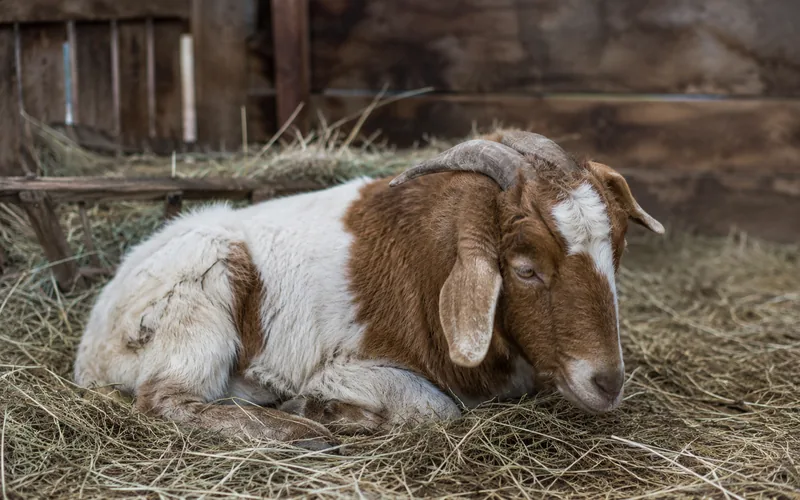
The physical signs tend to cluster, and they are easier to catch as a checklist:
- A bloated or tight left flank
- Straining with little or no manure
- Constipation or a swollen belly
- Teeth grinding or a hunched stance
- Lethargy or standing apart from the herd
A quick hands-on check helps confirm your hunch. Press a fist gently into the left flank behind the ribs, where a healthy rumen should churn one or two times a minute, and a silent rumen is a red flag.
If those signs stack up after you know a goat ate fabric, treat it as urgent rather than waiting to see if it passes.
Timing tells you a lot as well. Symptoms from a fresh blockage usually appear within a day or two of the goat eating fabric, while gossypol trouble from cottonseed builds slowly over weeks of steady feeding.
None of these symptoms is unique to cotton, which is why context matters. A goat that raided the laundry line and then went off feed is telling you exactly where to look.
How Much Cotton Is Safe for Goats?
Here’s what matters: raw plant is fine in moderation, cottonseed stays under about ten percent of the diet, and fabric is never safe.
There’s no clean number for cotton, because the safe amount depends entirely on the form. Plant material, seed, and fabric each sit at a different point on the risk scale.
Browsing a cotton plant is low risk as long as the field isn’t freshly sprayed. Goats can nibble leaves and bolls the way they nibble other brush, and this rarely causes problems in reasonable amounts.
Cottonseed and hulls should be capped, ideally kept under roughly ten percent of the total ration and avoided for kids and breeding stock. That ceiling keeps gossypol from accumulating to harmful levels.
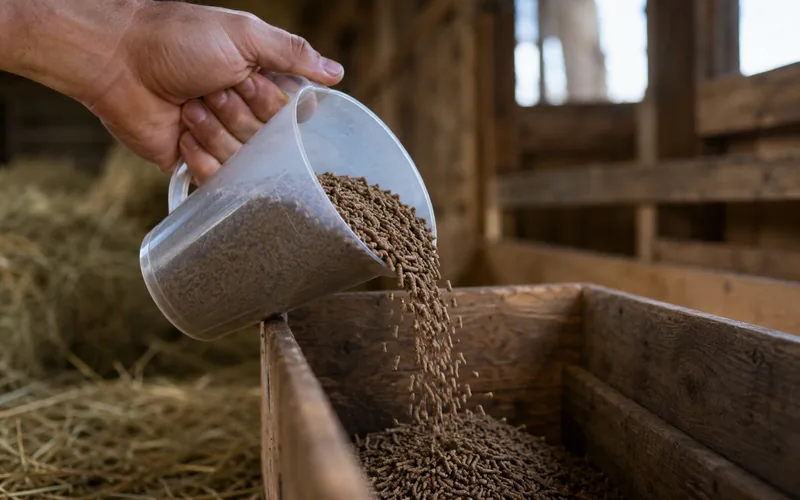
Introduce any new feed gradually, too. A rumen adjusts its microbe population over a week or two, so dumping a big new ration of cottonseed on an unprepared gut invites both digestive upset and a faster gossypol load.
Cotton fabric has no safe serving size at all. A stray thread is not worth panicking over, but you should never let a goat deliberately eat cloth, and clothing should be kept out of reach entirely.
When in doubt, weigh the benefit against the risk. Cottonseed is a cheap protein boost, but safer sources exist, so it’s rarely worth pushing the limit for a first-time feeder.
The rule of thumb is simple. Natural cotton in moderation is fine, processed cotton in feed needs strict limits, and cotton in your closet needs a closed gate.
Safer Fiber Sources That Goats Digest With Ease
Good hay, safe browse, and free-choice minerals are the fibers goats digest best.
If your goats crave fiber and keep testing whatever they can reach, the answer is to give them better options. A well-fed goat is far less interested in your laundry.
Good grass and legume hay should form the backbone of the diet, and choosing the right kind of hay keeps the rumen busy with fiber it was built to ferment. Free-choice hay alone prevents most fabric-chewing habits.
A grass hay such as timothy hay makes an easy default, since it is high in fiber and gentle on the rumen. Store it somewhere dry, because moldy hay can do far more damage than any scrap of cotton ever would.
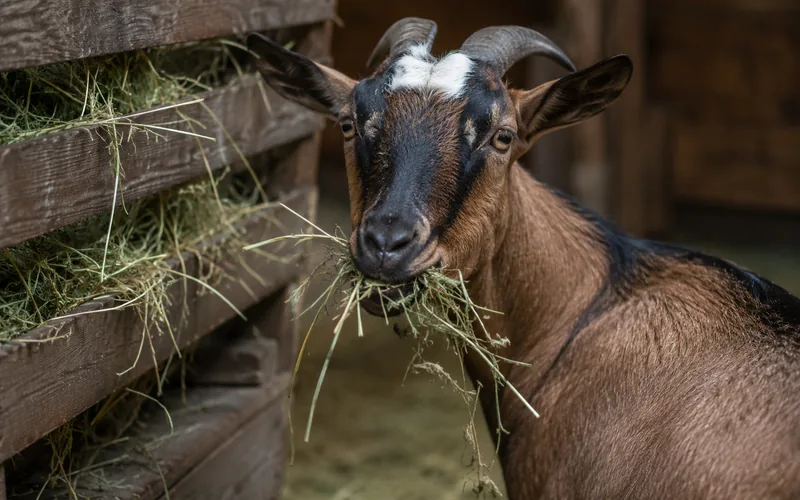
Browse is the natural supplement goats crave, and offering safe brush lets them satisfy the urge to sample many plants. Just make sure the browse avoids anything on the list of toxic plants that can poison a goat.
Native beautyberry shrubs add fiber and variety, and goats can safely eat the leaves, stems, and berries.
Loose minerals matter more than people expect, since a mineral deficiency drives a lot of strange chewing. A quality goat mineral offered free-choice often ends the behavior on its own.
For owners who want variety, there are plenty of goat-safe plants and produce items to rotate in. Goats are natural browsers, so a diverse buffet of safe forage keeps them satisfied without reaching for anything they shouldn’t eat.
Cotton’s own mallow family holds better options, and hollyhocks browse safely with no gossypol problem attached.
What to Do If Your Goat Eats a Cotton Shirt or Rag
If your goat swallows cotton fabric, keep it on hay and water, never force vomiting, and call your vet if trouble shows.
First, figure out how much and what kind. A goat that grabbed a mouthful of pure cotton lint is a very different situation from one that swallowed half a polyester-blend shirt with buttons.
Don’t try to make the goat vomit, since ruminants can’t safely bring material back up on command. Forcing it can cause choking or send material into the lungs.
Keep the goat on clean water and its normal hay, and watch closely for the next day or two. Many small amounts of pure cotton will pass through on their own if the gut keeps moving.
Call your veterinarian right away if the goat stops eating, bloats, strains without passing manure, or seems dull and painful. Those signs suggest an obstruction, and fabric blockages sometimes require medication or surgery to resolve.
Ask before giving anything by mouth. Mineral oil or a rumen stimulant can help a small blockage pass, but the wrong call can worsen a severe one, and a true obstruction may need a surgery called a rumenotomy to clear it.
Try to save a sample of whatever the goat ate, or at least note the fabric type. Knowing whether it was pure cotton or a polyester blend with buttons helps your vet judge how likely the material is to pass on its own.
Brightly dyed fabric can even leave a clue in the days that follow, sometimes tinting a goat’s droppings. That small detail is a sign the material reached the gut rather than being spat back out.
The best cure is prevention. Secure laundry lines, feed enough fiber, offer free-choice minerals, and keep cloth and hardware out of the pen so the sweater question never has to be answered the hard way.
Frequently Asked Questions
Goats can eat the cotton plant, including the leaves and bolls, and their rumen microbes digest the cellulose fiber. Raw cotton lint and cottonseed hulls are handled reasonably well in small amounts. Processed cotton fabric is a different story, since dyes and synthetic blends make it risky to swallow.
Goats cannot reliably digest clothes. Pure cotton clothing is mostly cellulose, so some of it ferments in the rumen, but buttons, zippers, elastic, and polyester blends do not break down and can pack together into a blockage. A goat that swallows part of a shirt or sweater should be watched closely.
A goat can partially ferment pure cotton cloth because the fabric is spun from plant cellulose. The problem is that woven cloth is dense and slow to break apart, so large pieces can lodge in the digestive tract instead of passing through. Small threads are usually harmless, while whole rags are not.
Cottonseed and cottonseed meal contain gossypol, a natural compound that is toxic to goats in large or long-term amounts. Small, occasional quantities of whole cottonseed are tolerated by mature goats, but it should never make up a big share of the diet, and it is riskier for young or breeding animals.