| # | Product | Our Rating | ||
|---|---|---|---|---|
| 1 |  | Best OverallARS Professional Hoof Trimmer | ★★★★★ | Check Price |
| 2 | 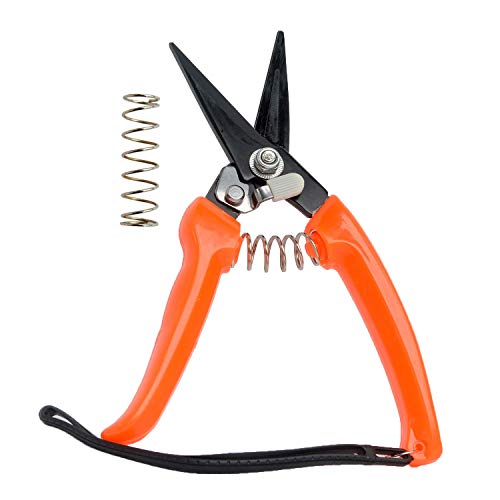 | Goat Hoof Trimming Shears | ★★★★☆ | Check Price |
| 3 |  | Dr. Naylor Hoof n' Heel Foot Rot Treatment | ★★★★☆ | Check Price |
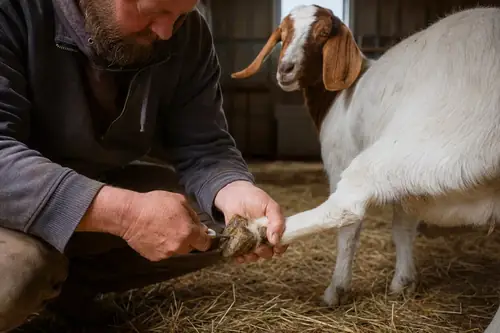
Hoof trimming is one of those chores every goat owner has to learn, and most dread it before their first try. The good news is that it is far easier than it looks once you understand what you are aiming for.
A goat’s hooves grow continuously, much like our fingernails, and without regular trimming they overgrow and cause real problems. Left long enough, neglected hooves lead to lameness, infection, and lasting damage.
This guide walks through why trimming matters, how often to do it, the tools you need, and the exact step-by-step process to trim goat hooves safely.
Why Hoof Trimming Matters
A goat hoof is built for dry, rocky terrain that naturally files it down. On soft pasture and in damp climates, the hoof grows faster than it wears, so it keeps getting longer until you intervene.
When hooves overgrow, the walls fold under and trap manure, dirt, and moisture against the sole. That warm, damp pocket is the perfect breeding ground for the bacteria behind hoof rot and hoof scald.
Overgrown hooves also throw off a goat’s stance and gait. The animal ends up walking on the sides of its feet, straining joints and tendons, and over time this causes the kind of chronic lameness that shows up as a goat that is limping or favoring a leg.
Regular trimming prevents all of it. Fifteen minutes every couple of months saves you from painful problems, vet bills, and a goat that cannot get around.
How Often to Trim Goat Hooves
Most goats need a trim every 6 to 8 weeks, but treat that as a starting point rather than a rule. The right interval depends on your ground and your individual goats.
Goats on soft, wet pasture grow hoof quickly and may need attention every month. Goats with access to rocks, concrete, or a hard-packed yard wear their hooves down naturally and can stretch the interval longer.
The reliable approach is to check every goat’s feet once a month. When you see the walls starting to grow past the sole or curl under, it is time to trim, whatever the calendar says.
Get into a routine and tie it to something you already do, like monthly weighing or deworming checks. Goats that are trimmed regularly are calmer about it and far quicker to do.
Pair each foot check with a quick look at eyes, coat, and body condition for overall goat health.
Tools You Need
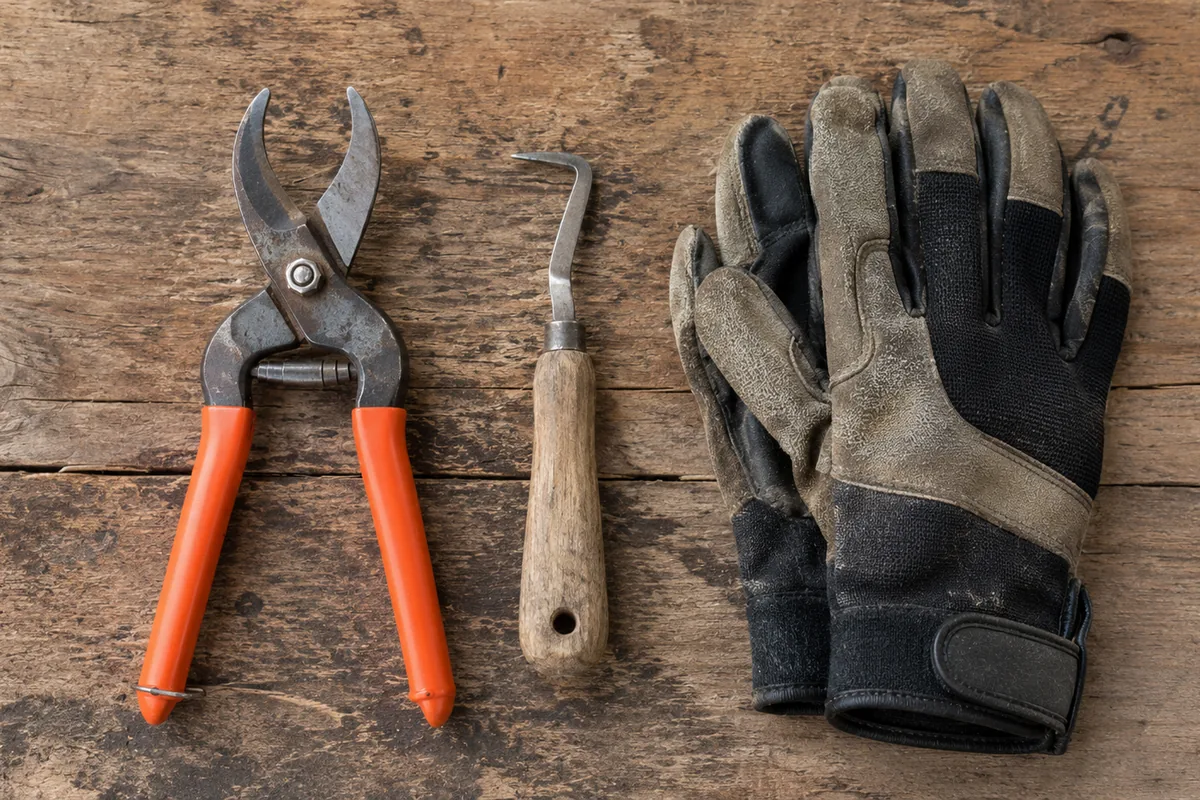
You do not need much to trim goat hooves, and the basic kit lasts for years. A sharp, comfortable pair of trimmers is the one thing worth spending money on.
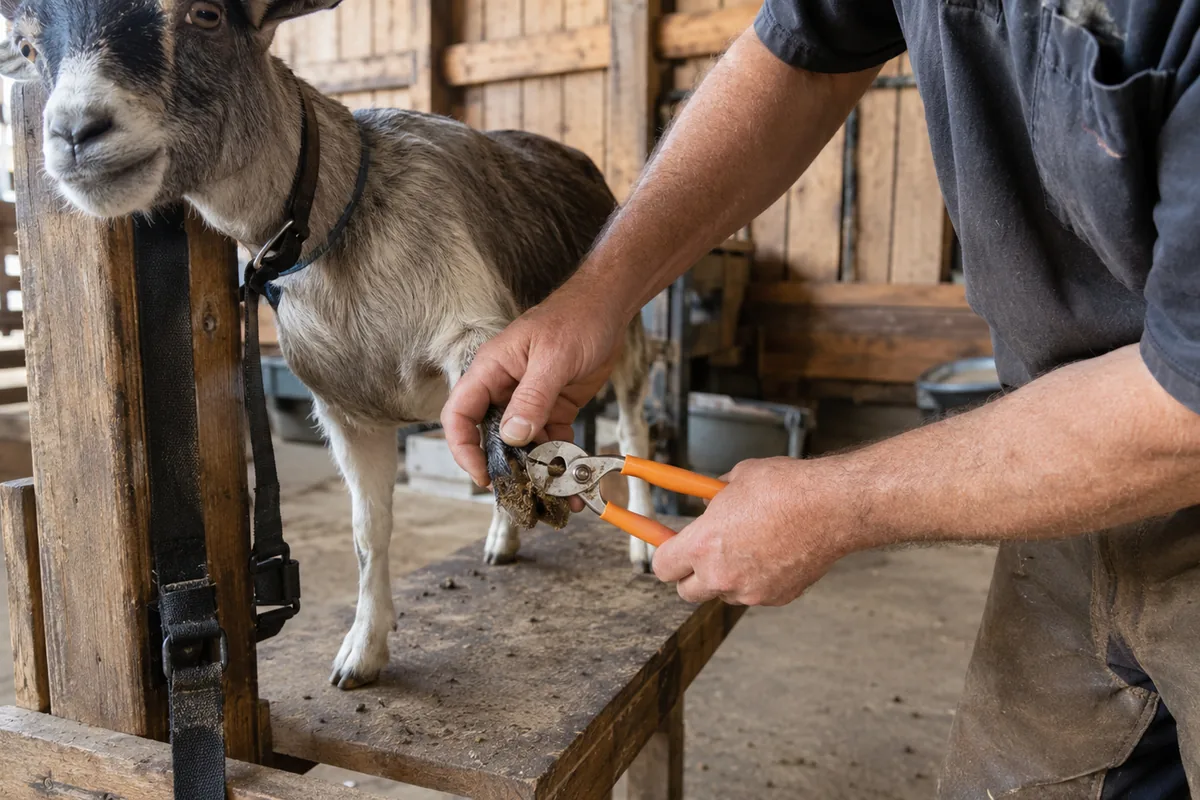
The core tool is a pair of hoof trimming shears, which look like heavy-duty pruning shears with a curved blade that follows the shape of the hoof. A good sharp pair does clean cuts with little effort, while a cheap dull pair makes the job slow and frustrating.
Beyond that, a hoof pick or stiff brush cleans out the hoof before you cut, cut-resistant gloves protect your hands, and a hoof knife helps with stubborn flaps. A milking or trimming stand is the biggest quality-of-life upgrade, since it holds the goat still and lifts the feet to a comfortable height.
Keep your trimmers clean and sharp, and disinfect them between goats if any animal has signs of hoof rot, so you do not spread infection through the herd.
How to Trim Goat Hooves Step by Step
With the goat secured and your tools ready, the process is the same for each of the four feet. Work through it calmly and the goat will settle.
- Secure the goat. Put it on a milking or trimming stand with its head in the stanchion, or have a helper hold it against a wall. A relaxed, well-restrained goat makes everything safer.
- Clean the hoof. Pick up one foot, bend it back at the knee, and use your pick or the tip of the shears to clear out the dirt and manure packed into the hoof so you can see the sole.
- Trim the side walls. Snip the overgrown outer walls down so they are level with the sole. The wall is the hard outer edge that grows longest and folds under.
- Trim the toe and heel. Cut the pointed front of the toe back to match the sole, then trim the heel area until the whole bottom of the hoof is flat.
- Check it is level. A correctly trimmed hoof is flat on the bottom and sits parallel to the coronary band, the hairline at the top of the hoof. Aim for that flat, even surface.
- Stop at pink. As you shave the sole, it turns from white or gray toward pink as you near the live tissue. The moment you see pink, stop trimming that spot. Then move to the next foot.
Take thin slices rather than big chunks, especially while you are learning. You can always remove a little more, but you cannot put it back.
Overgrown Hooves and Hoof Rot
If you have taken on goats with badly overgrown or curled hooves, do not try to fix them in one session. Trim a moderate amount, then trim again every two weeks, taking a bit more each time until the hoof is back to normal over a month or two.
Cutting an overgrown hoof all the way back at once exposes the live tissue and causes bleeding and pain. Gradual trimming lets the blood supply recede safely as the hoof shortens.
Watch for hoof rot and hoof scald while you trim. A foul smell, black gunk between the toes, and heat or limping point to infection, and you should trim away the affected horn, treat with a foot rot product or zinc sulfate, and keep the goat on dry footing. Caught early it is very treatable, but neglected hoof rot is serious and can become a real threat to the goat.
If a hoof bleeds because you trimmed too deep, do not panic. Apply pressure with a clean cloth, use blood-stop powder or cornstarch, keep the goat on clean bedding, and it will heal fine.
Sources and Further Reading
Compiled and cross-checked against established livestock and extension references:
- University extension publications (Penn State, Oklahoma State, Cornell) on goat hoof care
- American Dairy Goat Association (ADGA) management resources
- Langston University, Meat Goat Production Handbook, health and hoof care
- Merck Veterinary Manual, hoof rot and lameness in small ruminants
When in doubt, trim less and trim more often. Regular, light trims keep hooves healthy and make the whole job quick and stress-free for you and the goat.
Frequently Asked Questions
Most goats need their hooves trimmed every 6 to 8 weeks, though the exact interval depends on terrain, breed, and growth rate. Goats kept on soft, damp pasture grow hoof faster and need trimming more often, while goats on rocky ground that wears their hooves down naturally may go longer. Check hooves monthly and trim whenever the walls start to fold under or grow past the sole.
At minimum you need a good pair of hoof trimming shears, which look like heavy-duty pruning shears with a curved blade. Many owners also use a hoof pick or stiff brush to clean the hoof first, cut-resistant gloves to protect their hands, and a hoof knife for stubborn spots. A milking or trimming stand makes the job far easier by holding the goat still, though a helper works too.
Secure the goat on a stand or have a helper hold it, then pick up one foot and clean out any dirt and manure packed into the hoof. Trim the overgrown side walls down level with the sole, snip the pointed toe back, and trim the heel until the bottom of the hoof is flat and parallel to the coronary band at the hairline. Take thin slices and stop the moment the sole turns pink, then move to the next foot.
Untrimmed hooves overgrow, fold under, and trap moisture and manure, which leads to lameness, painful joint and leg strain, and a much higher risk of hoof rot and hoof scald. Severely overgrown hooves curl and deform, change the goat's posture and gait, and can cause permanent damage. Regular trimming is basic preventive care, not an optional extra.
The sole turns pink as you get close to the live tissue, which is your signal to stop trimming that spot. If you go too far it will bleed. If that happens, stay calm, apply pressure with a clean cloth and use blood-stop powder or cornstarch, keep the goat on clean dry bedding, and the hoof will heal. Trimming thin slices and watching for the pink color prevents it.