| # | Product | Our Rating | ||
|---|---|---|---|---|
| 1 |  | Best OverallARS Professional Hoof Trimmer | ★★★★★ | Check Price |
| 2 |  | Dr. Naylor Hoof n' Heel Foot Rot Treatment | ★★★★☆ | Check Price |
| 3 | 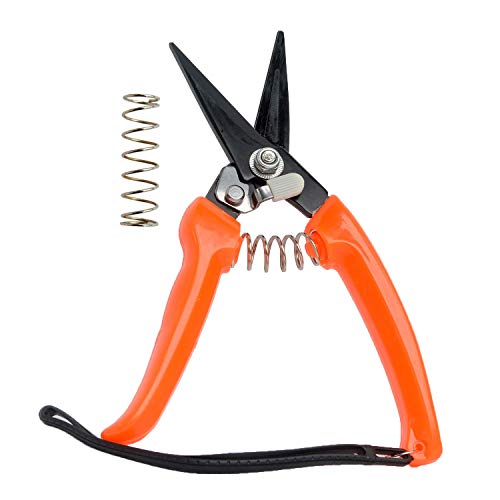 | Goat Hoof Trimming Shears | ★★★★☆ | Check Price |
A limping goat is one of the most common things you’ll deal with as an owner, and most of the time the answer is right there in the foot. The trick is knowing how to look, and recognizing the few causes that are genuinely serious.
The vast majority of goat lameness starts in the hoof, which is good news, because hoof problems are usually findable and fixable. That makes regular hoof checks one of the easiest habits in good goat health.
This guide walks through how to check a limping goat, the common hoof causes, the more serious joint and bone problems, and when limping is a reason to call the vet.
Note: Most limping is a minor hoof issue you can manage, but a hot swollen joint, a fracture, a deep wound, or a down goat needs a vet. This article is educational, not a substitute for veterinary care.
First Step: Find the Leg and Check the Hoof
Before guessing, watch the goat move and pin down which leg it’s favoring. A goat that nods its head down when a front foot lands is sparing that foot; one that dips a hip is sparing a hind leg.
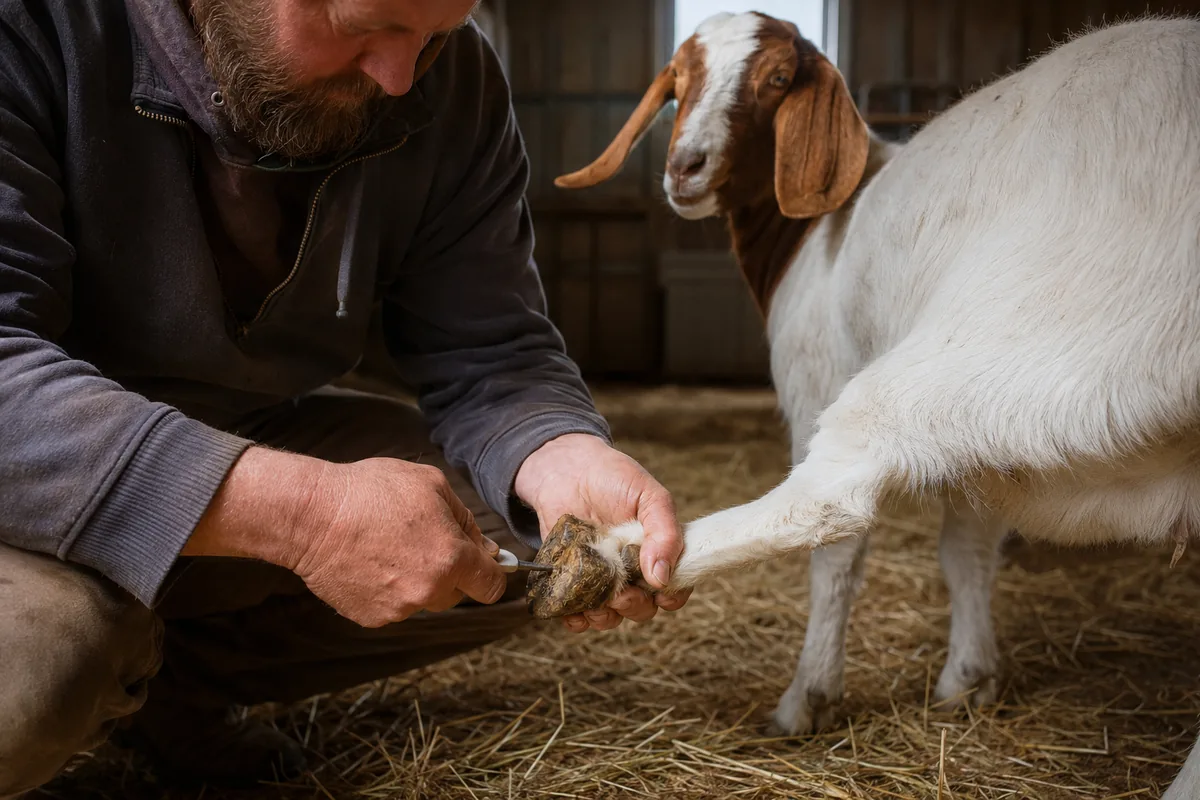
Then catch the goat and pick up the suspect foot. Most answers are right here.
Clean the hoof out with a hoof pick and look carefully:
- Between the toes, where rot and scald hide
- Across the sole and white line, for stones, thorns, cracks, or black spots
- At the hoof wall, for overgrowth folding under and trapping muck
- For heat, swelling, or a bad smell
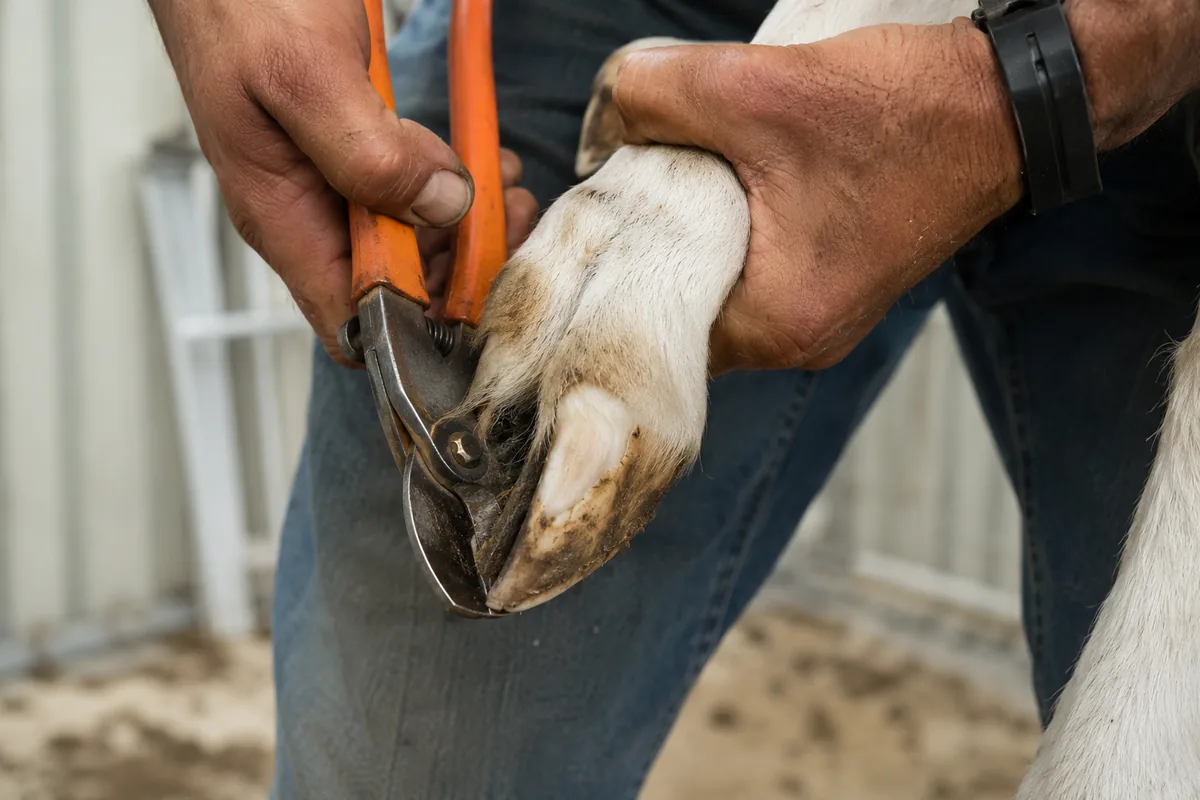
A quick trim often reveals the problem and is half the cure. Because a goat’s foot is split into two toes of a cloven hoof, problems love to lodge in the cleft between them, so spread the toes and look right down in there.
Hoof Problems: The Usual Cause
Most limping traces to one of a handful of hoof issues:
Hoof rot and hoof scald are bacterial infections that thrive in wet, muddy conditions. Scald reddens and irritates the skin between the toes, while rot goes deeper, smells foul, and separates the hoof wall from the sole. It is the single most common cause of lameness, and a serious case can spread, which is why it’s worth understanding how hoof rot can take a goat down.
Overgrown hooves curl, fold, and trap manure and moisture, throwing off the goat’s stance and inviting rot. Most goats need trimming every 6 to 8 weeks.
Hoof abscesses form when bacteria get trapped inside the hoof, causing sudden, severe lameness in one foot with heat and throbbing. These often need a vet to open and drain.
Stones, thorns, and puncture wounds wedge into the sole or between the toes and cause sharp, sudden lameness. Cleaning the foot usually finds the culprit, and removing it brings fast relief.
For pain while you treat the cause, owners often reach for Banamine, but use it only at a correct, vet-confirmed dose and treat the actual hoof problem, not just the limp.
Joint and Bone Problems
When the hoof looks clean, the trouble is usually higher up in a joint or bone, and some of these are serious.
Joint ill (navel ill) in kids is a bacterial infection that enters through a newborn’s wet navel and settles in the joints, causing hot, swollen, painful joints in the first weeks of life. It is an emergency that needs prompt antibiotics, because it can permanently wreck a joint.
CAE (Caprine Arthritis Encephalitis) is a viral disease that causes chronic, swollen, stiff joints, classically big swollen knees, in adult goats. There is no cure, only management, and it’s one reason herd CAE testing matters.
Injuries, sprains, and fractures happen from rough play, fences, and falls. A goat that won’t bear any weight, has an obviously unstable or swollen leg, or is in severe pain needs a vet to check for a break.
Whatever the cause, dosing any antibiotic or pain reliever should be confirmed against a reliable reference like the goat medication dosage chart and your vet.
Founder and Other Causes
A few less obvious causes round out the list:
Founder (laminitis) is inflammation inside the hoof, often from grain overload or a sudden rich diet, the same feed-room mistake behind bloat. A foundered goat walks tenderly, often rocking back on its heels, and may be sore in more than one foot at once.
White muscle disease from a selenium and vitamin E deficiency causes stiffness and weakness in kids, especially in deficient regions, and can look like lameness.
Mineral imbalances and poor nutrition weaken hoof horn and make cracks and infections more likely over time, part of why steady, correct minerals matter for the whole animal.
A goat sore in several feet at once, rather than limping on one, points more toward founder or a whole-body problem than a single injury, and is worth a vet’s input.
When to Call the Vet
Most single-foot limping you can manage yourself once you find the hoof problem. Call the vet when you see:
- A goat that won’t bear any weight on the leg
- A hot, swollen joint, especially in a kid (suspect joint ill)
- Fever, dullness, or going off feed alongside the limp
- An obvious wound near a joint, severe swelling, or an unstable leg suggesting a fracture
- Lameness in several feet at once (possible founder)
- Limping that doesn’t improve after you’ve treated the hoof
Early veterinary care on these prevents permanent joint damage and catches the serious causes before they get out of hand.
How to Prevent Lameness in Goats
Most lameness is preventable with routine care:
- Trim hooves every 6 to 8 weeks to prevent overgrowth and rot
- Keep footing dry; mud and standing water drive hoof rot and scald
- Dip newborn navels in 7% iodine right after birth to prevent joint ill
- Introduce grain gradually and don’t let goats gorge, to avoid founder
- Provide goat minerals and good nutrition for strong hoof horn
- Test and manage for CAE in your herd
A trimmed hoof on dry ground prevents the large majority of limping. The goats with the fewest foot problems are the ones whose owners keep up a simple trimming routine.
Sources and Further Reading
Compiled and cross-checked against established veterinary and small-ruminant references:
- The Merck Veterinary Manual, Lameness and Foot Rot in sheep and goats
- American Association of Small Ruminant Practitioners (AASRP) resources
- Langston University, Meat Goat Production Handbook, hoof care and lameness
- University extension publications (Penn State, Cornell) on goat hoof health
If a goat is non-weight-bearing or has a hot, swollen joint, see your veterinarian promptly to protect the joint and the limb.
Frequently Asked Questions
The most common hidden causes are hoof rot or scald between the toes, an overgrown hoof putting pressure in the wrong place, a small abscess inside the hoof, or a stone or thorn wedged in the sole. Clean and trim the foot and look closely between and under the toes, where problems hide. If the hoof looks fine, suspect a joint, a muscle strain, or in adults the early stage of CAE arthritis, and have your vet examine the leg.
Start by catching the goat and examining the affected foot: clean it, trim away overgrowth, and look for rot, an abscess, or a foreign object. Hoof rot and scald respond to trimming plus a zinc or copper sulfate foot soak, and sometimes antibiotics. A stone or thorn is removed; an abscess may need a vet to open and drain it. For pain, an anti-inflammatory like Banamine helps at a vet-confirmed dose, but the cause still has to be treated, not just the pain.
Mild limping from a tender hoof often resolves once you find and fix the foot problem. Worry, and call your vet, if the goat won't put any weight on the leg, has a hot or swollen joint, runs a fever, has a wound near the joint, or is a young kid with swollen joints. Those point to infection, fracture, or joint disease that needs prompt veterinary care to avoid permanent damage.
Joint ill (navel ill) is a bacterial infection that enters through a kid's wet navel at birth and settles in the joints, causing hot, swollen, painful joints and lameness, usually in the first few weeks of life. It is an emergency that needs prompt antibiotics from a vet, because the infection can permanently damage the joints. Dipping every newborn's navel in 7% iodine right after birth is the main prevention.
Yes. Hooves that aren't trimmed regularly curl and fold, trapping manure and moisture and throwing off the goat's stance, which leads to soreness, hoof rot, and limping. Most goats need a hoof trim every 6 to 8 weeks. Keeping hooves trimmed and on dry footing prevents a large share of lameness.