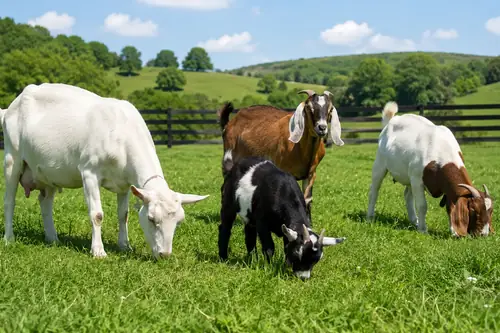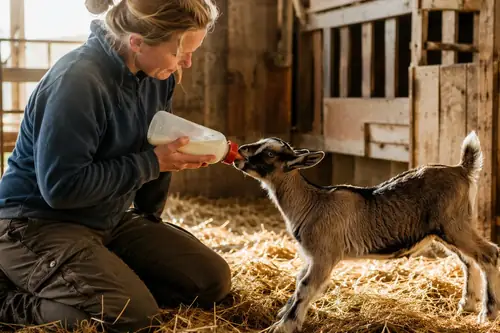
Yes, goats can absolutely make you money. There are more revenue streams from goats than most people realize, and some of them don’t even require a large herd to get started.
Most small goat operations supplement income rather than replace a full-time job. But with the right focus, a well-managed herd can bring in solid money year-round.
Can goats make money?
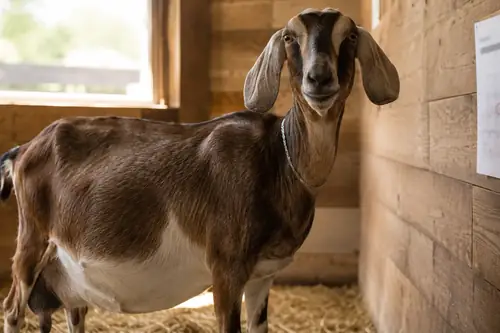
Selling registered breeding stock is one of the most profitable options. Knowing how many kids goats typically have helps you plan production.
Quality registered does can sell for $200 to $500 or more, and a proven buck from strong bloodlines can command even higher prices.
Dairy products are another strong revenue stream if you’re willing to deal with licensing requirements in your state. Raw goat milk, cheese, yogurt, and goat milk soap all have dedicated markets with loyal customers.
A gallon of goat milk might sell for $8 to $12 at a farmers market, but turning that same gallon into soap bars could be worth $60 or more.
What’s the goat-rearing business all about?
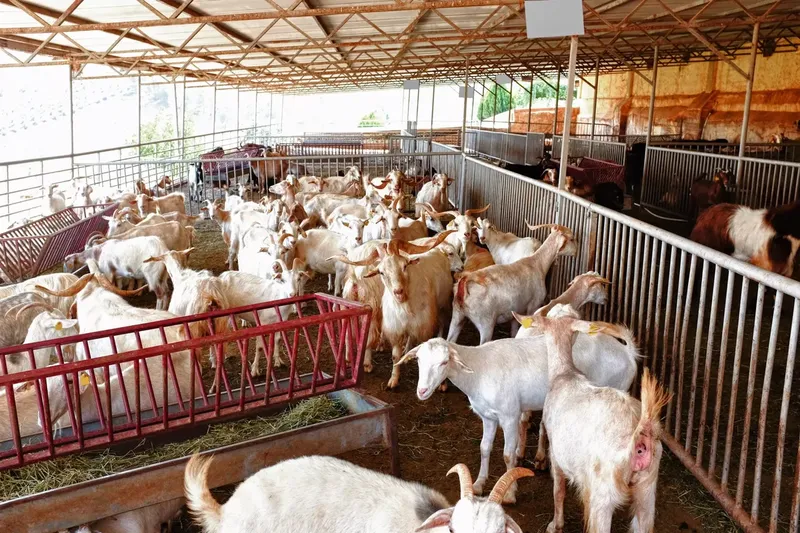
Meat goats are in consistent demand, especially Boer crosses sold to ethnic meat markets. Goat meat is the most consumed red meat in the world, and domestic supply in the U.S. Doesn’t come close to meeting demand.
Fiber goats offer another income stream. Angora goats produce mohair, and certain breeds produce cashmere.
Both fibers sell well to handspinners and small-batch textile producers.
The benefits of raising goats
Brush clearing services are a growing niche that can pay $500 to $1,000 per acre or more. Cities, HOAs, and private landowners will hire goat herds to clear invasive vegetation, and demand is especially high in wildfire-prone areas.
Goats also have low startup costs compared to cattle. You can get started with a few quality animals, basic fencing, and a simple shelter.
They convert rough browse into usable products that people will pay for.
How to get started in the goat-rearing business?
Pick one focus before you buy your first goat. Trying to do dairy, meat, and breeding stock all at once spreads you too thin and none of it gets done well.
If you want dairy, start with Nubians, LaManchas, or Saanens. For meat, Boer and Kiko crosses are your best bet.
For breeding stock, invest in registered animals with documented pedigrees because that’s what serious buyers are looking for.
Tips for success in the goat-rearing business
Know your local market before you invest. Visit farmers markets, contact local restaurants, and check what goat products are selling in your area.
Some cities even allow urban goat keeping, opening up suburban markets. Talk to other goat farmers about what’s working for them and what buyers are looking for.
Keep your overhead low in the first year. Good fencing and a basic three-sided shelter are the essentials.
Fancy barns and equipment can come later once revenue is flowing. Build a social media presence early because buyers for breeding stock and goat products often find sellers through Facebook groups and Instagram.
Are there any risks associated with goat-rearing?
Parasites are the number one health challenge in goats and can wipe out profits fast if you’re not managing them with rotational grazing and targeted deworming. Vet bills add up quickly when you’re not staying ahead of health issues like hoof rot.
Goats are also escape artists, and bad fencing means lost animals and angry neighbors. Budget for quality fencing from day one because cheap fence wire and goats don’t mix.
Final Thoughts
The most profitable goat ventures I’ve seen are registered breeding stock sales and brush clearing services. Both have high margins and strong demand that isn’t going away anytime soon.
Start small, pick one revenue stream, and build your herd and your reputation at the same time. Goats won’t make you rich overnight, but a focused operation can bring in meaningful income once you find your market.
The goat owners who struggle are the ones trying to do everything at once instead of getting really good at one thing first.
Frequently Asked Questions
Goats can actually be quite profitable, and there are several ways to make money from them. The most common way is by selling their milk. Goat milk is known to be very healthy and is often used as a substitute for cow milk by people who are lactose intolerant.
The goat-rearing business is all about raising goats for their milk, meat, fur, and fiber. Goat milk is a nutritious alternative to cow's milk, and goat meat is a leaner, healthier option than beef or pork.
Pick one focus before you buy your first goat. For dairy, start with Nubians, LaManchas, or Saanens. For meat, Boer and Kiko crosses are best. For breeding stock, invest in registered animals with documented pedigrees.
Parasites are the number one health challenge and can wipe out profits fast. Vet bills add up when you're not staying ahead of health issues. Bad fencing also means lost animals and angry neighbors. Budget for quality fencing from day one.