
| # | Product | Our Rating | ||
|---|---|---|---|---|
| 1 |  | Best OverallProbios Probiotic Oral Gel for Goats | ★★★★★ | Check Price |
| 2 |  | Manna Pro Goat Electrolyte Powder | ★★★★☆ | Check Price |
| 3 |  | Nutri-Drench Goat & Sheep Supplement (8 oz) | ★★★★☆ | Check Price |
Most goat owners give CDT shots without a second thought, and rightly so. It’s the single most widely recommended vaccine in goat husbandry, protecting against diseases that kill within hours of the first symptoms appearing.
But hearing about a goat dying after vaccination shakes any owner’s confidence. Here’s what you need to know about every type of CDT vaccine reaction, what triggers them, how to handle an emergency, and what belongs in your barn before you uncap that first needle.
Can a CDT Shot Kill a Goat?
A CDT shot can kill a goat, though fatal reactions are extremely rare. The most likely cause of death is anaphylactic shock, a severe whole-body allergic response that develops within minutes of the injection.
Colorado Serum Company, a leading CDT vaccine manufacturer, tracked adverse event reports over two years. Out of roughly 1.5 million doses given to goats, only 12 adverse reactions of any kind showed up in their reports.
That puts the reaction rate at roughly 0.0008 percent. Fatal outcomes represented an even smaller fraction within that already tiny number.
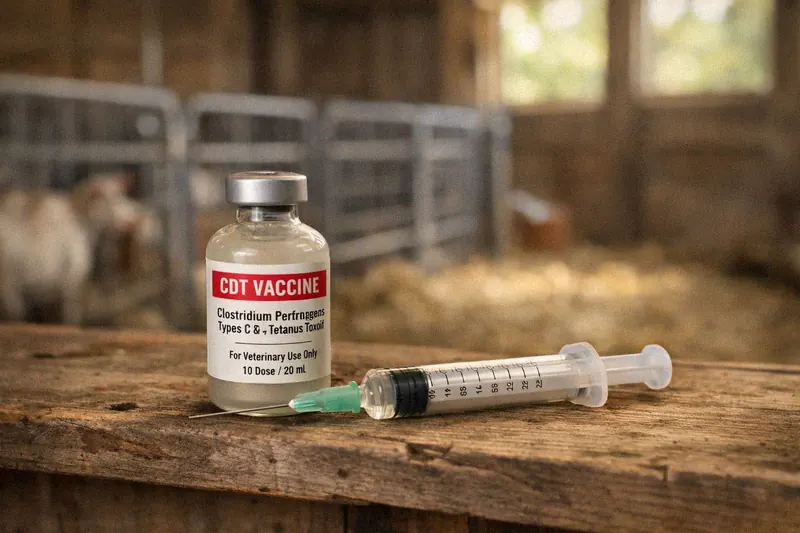
Most goats handle the CDT vaccine with nothing more than a brief flinch at the needle. The few that react usually show mild symptoms that resolve on their own within a day or two.
Still, “rare” doesn’t mean “impossible.” Anaphylaxis can strike any goat, at any age, even if that same animal received the exact same vaccine before without problems.
The difference between a fatal reaction and a close call almost always comes down to whether the owner had emergency medications within reach and acted fast.
How CDT Vaccine Reactions Happen
Put simply, reactions happen when a goat’s immune system treats the vaccine’s inactivated toxins as a serious threat and mounts an excessive inflammatory response.
The CDT vaccine is a toxoid, meaning it contains inactivated bacterial toxins rather than live bacteria. When injected, these deactivated toxins trigger the goat’s immune system to produce protective antibodies.
For most goats, this immune response stays mild and controlled. The body recognizes the toxoid, builds its defenses, and moves on.
Sometimes, though, the immune system overreacts. Instead of a targeted antibody response, the body launches a massive inflammatory cascade that affects the cardiovascular and respiratory systems at the same time.
That’s anaphylaxis. Histamine floods the bloodstream, blood pressure drops sharply, airways constrict, and organ function deteriorates within minutes.
The adjuvants in CDT vaccines, which are ingredients added to strengthen immune response, can also contribute to reactions. Aluminum-based adjuvants are standard in most CDT formulations and occasionally trigger localized inflammation at the injection site.
Some goats are simply more immunologically reactive than others. Genetics, current stress levels, and overall health status all influence how aggressively the immune system responds to any foreign substance.
Vaccine preservatives also play a minor role. Many CDT formulations contain thimerosal, a mercury-based preservative, and trace amounts of formaldehyde used during the toxoid inactivation process.
These ingredients appear in trace amounts and are considered safe by veterinary regulators. They can, however, occasionally cause localized irritation at the injection site.
Keep in mind that the immune response from a booster dose is typically stronger than the first vaccination. This is by design, as the primed immune system recognizes the toxoid faster and reacts more vigorously.
In very rare instances, this amplified response crosses into harmful territory.
Types of CDT Vaccine Reactions in Goats
Not all vaccine reactions look the same. Knowing where a reaction falls on the severity scale tells you whether to watch and wait or grab the epinephrine.
Mild Reactions
Most CDT reactions are mild, a small injection-site lump or brief lethargy that passes within a day or two.
The most common response is a small, firm lump at the injection site. This granuloma forms as the immune system processes the vaccine components and typically resolves within one to three weeks.
Some goats become mildly lethargic for 12 to 24 hours after vaccination. They may eat less, lie around more, and seem generally off.
None of that should worry you.
A slight fever is another common mild reaction. A rectal temperature up to 104°F within the first 24 hours falls within the expected range for a recently vaccinated goat.
Moderate Reactions
Moderate reactions show more visible symptoms like facial swelling, hives, or mild breathing difficulty, and typically respond to antihistamine treatment.
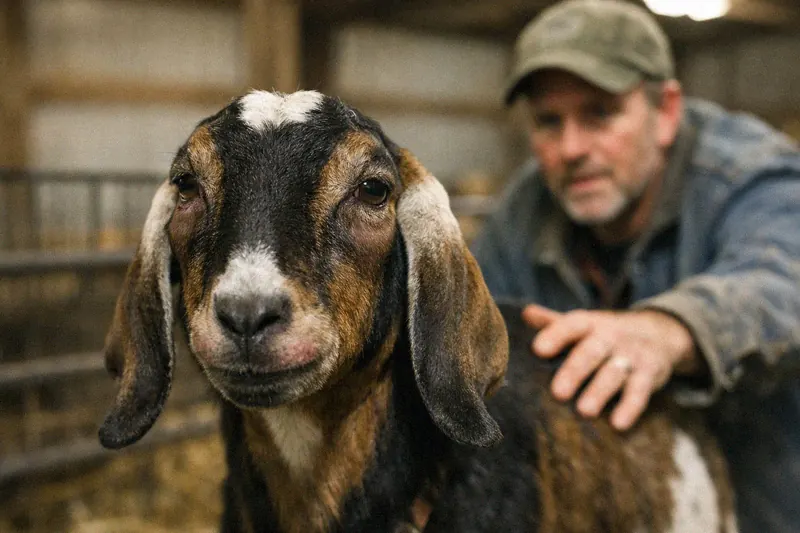
Moderate reactions produce more visible symptoms that extend beyond the injection site. Facial swelling, particularly around the eyes and muzzle, signals a stronger histamine release than normal.
Mild respiratory difficulty such as open-mouth breathing or audible wheezing also falls into this category. The goat may develop hives or raised welts across the body.
These reactions typically appear within one to two hours of vaccination. They often respond well to an antihistamine like Benadryl and close monitoring over the following several hours.
Severe Reactions (Anaphylaxis)
Anaphylaxis is the most dangerous vaccine reaction and demands immediate intervention. A goat in full anaphylactic shock can die within minutes if left untreated.
Symptoms arrive fast, usually within 5 to 30 minutes of the injection. The goat may suddenly collapse, struggle to breathe, develop blue-tinged gums, drool excessively, or become completely unresponsive.
Severe diarrhea and acute bloating can also accompany anaphylaxis in goats. Some animals vocalize loudly before going down, while others go quiet and simply stop moving.
Without epinephrine, the survival rate for full anaphylaxis drops sharply. If you’re the one giving shots, you need emergency medications within arm’s reach every single time.
Signs of Anaphylaxis After CDT Vaccination
Catching anaphylaxis early is what separates a save from a loss. Here’s exactly what to look for right after giving a CDT shot.
Sudden restlessness or agitation is usually the first red flag. The goat may pace, stamp its feet, or keep trying to lie down and get back up.
Within minutes, breathing becomes labored. You may hear wheezing, see the nostrils flare wide, or notice the goat stretching its neck forward to pull in more air.
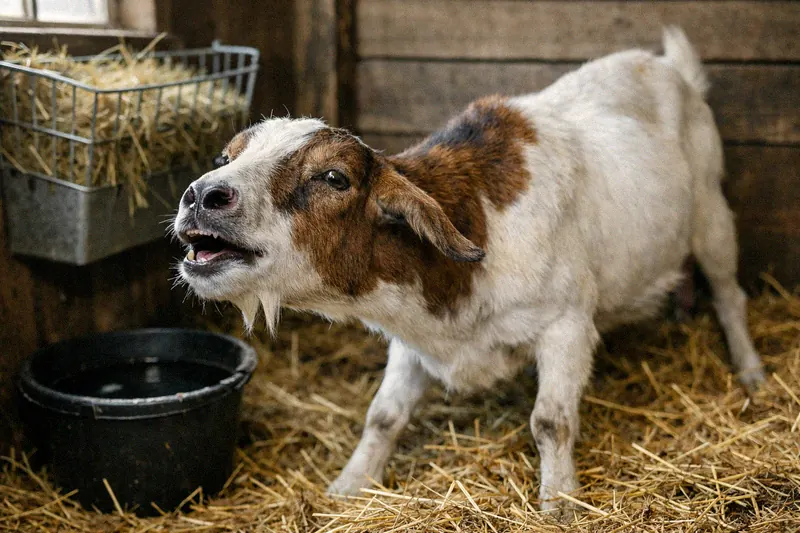
Swelling around the face, throat, and injection site can develop rapidly. The gums and inner eyelids may turn pale or take on a bluish tint, which signals poor blood circulation.
Muscle tremors, staggering, and loss of coordination follow as the reaction deepens. Body temperature may drop suddenly instead of rising, which is a critical distinction from fever-based illness.
In the final stage, the goat collapses and may become completely unresponsive. Heart rate turns rapid and weak while breathing slows or stops.
The entire progression from first symptoms to collapse can happen in as little as five minutes. Never walk away from a goat for at least 30 minutes after giving any injection.
One key distinction: some goats faint briefly after the needle stick from a vasovagal nerve response, not an allergic reaction.
A vasovagal goat typically recovers within 30 to 60 seconds without intervention and shows no breathing difficulty or swelling. Anaphylaxis, by contrast, gets progressively worse with each passing minute and involves clear respiratory distress.
Emergency Treatment for CDT Vaccine Reactions
If you suspect anaphylaxis, act immediately. Every second counts once symptoms begin.
Epinephrine is the first-line treatment. The standard dose for goats is 1 mL per 100 pounds of body weight, given intramuscularly using the 1:1000 concentration.
Inject into the thigh muscle for fastest absorption. You should see improvement within one to two minutes.
If the goat does not respond, repeat the dose once after five minutes.
Dexamethasone is the second medication to give. This corticosteroid reduces the inflammatory cascade driving the reaction.
The typical dose is 1 mL per 20 pounds of body weight, given intramuscularly.
Diphenhydramine (Benadryl) helps control the histamine release causing swelling and airway constriction. Administer 1 mL per 25 pounds intramuscularly for acute reactions.

Flunixin meglumine (Banamine) addresses pain and further reduces inflammation. The dose is 1 mL per 100 pounds, given intramuscularly.
Keep the goat calm and in a comfortable position while the medications take effect. If the goat is down, position it on its sternum rather than flat on its side to support easier breathing.
Monitor breathing rate, heart rate, and gum color continuously for the next several hours. Anaphylaxis can recur in a biphasic pattern, meaning symptoms may return hours after appearing to resolve.
Call your veterinarian immediately, even if the goat responds to initial treatment. The vet may recommend additional supportive care including IV fluids or extended observation.
Your vaccination-day emergency kit should include:
- Epinephrine (1:1000 concentration)
- Dexamethasone
- Diphenhydramine (Benadryl injectable)
- Flunixin meglumine (Banamine)
- Sterile syringes and needles (18-gauge, 1-inch)
- Veterinarian’s phone number posted where you can see it
Assemble this kit before you start vaccinating. Buying supplies after a reaction begins is not a viable plan.
Have your vet calculate specific doses for your herd before vaccination day. Write the doses on index cards and tape them to your emergency kit so you’re not doing math during a crisis.
Post-Vaccination Monitoring Timeline
Having a clear monitoring routine after CDT vaccination helps you catch trouble before it spirals.
First 30 minutes: Stay with the goat. This is the highest-risk window for anaphylaxis.
Watch for breathing changes, facial swelling, restlessness, or collapse. Do not leave the barn during this period.
30 minutes to 2 hours: Check the goat every 15 to 20 minutes. Moderate reactions like hives or mild swelling usually appear in this window.
Keep your emergency kit within reach.
2 to 12 hours: Monitor appetite and general behavior at feeding times. Mild lethargy and slightly reduced appetite are normal and expected.
Refusal to eat combined with labored breathing or persistent swelling warrants concern.
12 to 48 hours: Examine the injection site for excessive swelling or heat. A small firm lump is completely normal.
A large, hot, or painful swelling could indicate an abscess forming, and you may need wound care supplies like Neosporin if the site opens.
1 to 3 weeks: The injection site lump should gradually decrease in size. If it grows larger, becomes soft and fluctuant, or starts draining, consult your veterinarian.
Most injection site granulomas resolve completely within three weeks without any treatment needed.
When vaccinating a large herd and working alone, stagger injections. Give each goat its shot and observe for 30 minutes before moving to the next animal.
With a helper, one person can vaccinate while the other monitors previously injected goats.
Risk Factors That Increase CDT Vaccine Reactions
Not every goat faces the same level of risk from a CDT shot. A few key factors can push the odds of a bad reaction higher.
Goats that are sick, stressed, or recovering from illness have compromised immune regulation. Vaccinating during an active infection increases the odds of an overblown immune response.
First-time vaccinations carry somewhat higher risk than routine annual boosters. The immune system is encountering the vaccine antigens for the very first time and may react in unpredictable ways.

Improper vaccine storage is an underrated risk factor. CDT vaccines must stay refrigerated between 35°F and 45°F and must never be frozen.
Vaccines exposed to heat, sunlight, or stored past expiration can trigger stronger reactions while offering less protection.
Incorrect injection technique also matters. CDT vaccines are formulated for subcutaneous administration, not intramuscular.
Injecting into the muscle rather than under the skin increases the chance of severe localized reactions and abscess formation.
Contaminated needles introduce bacteria that cause injection site infections, which owners sometimes mistakenly attribute to the vaccine. Use a fresh sterile needle for every single goat without exception.
Over-vaccination beyond the recommended annual schedule offers no extra immunity and may increase reaction risk. Unless your veterinarian specifically advises otherwise, the standard schedule provides all the protection your goats need.
Can You Give CDT to a Sick Goat?
No, always wait. Vaccinating a sick, feverish, or stressed goat raises the risk of an adverse reaction because the immune system is already under strain.
Hold off until the animal is eating normally and showing no signs of illness. A healthy immune system handles the CDT toxoid far more predictably.
What Is the CDT Vaccine and Why Do Goats Need It?
CDT stands for Clostridium perfringens types C and D, plus Tetanus. These three conditions rank among the deadliest bacterial threats to goats, and the organisms that cause them live naturally in soil and in the goat’s own digestive tract.
Clostridium perfringens Type C causes hemorrhagic enteritis, a sudden and violent inflammation of the intestinal lining. It primarily strikes young kids within the first few weeks of life and kills through massive internal hemorrhage.
Mortality rates without vaccination are devastating.
Clostridium perfringens Type D is widely known as overeating disease or enterotoxemia. It occurs when a goat consumes excess grain, lush pasture, or rich milk, allowing gut bacteria to multiply explosively and flood the body with lethal toxins.
A goat can appear perfectly healthy at morning feeding and be dead before evening chores.
Tetanus enters through puncture wounds, surgical sites, hoof trims, and even the umbilical cords of newborns. The bacterium Clostridium tetani produces a neurotoxin that causes progressive and agonizing muscle rigidity.
Once clinical symptoms appear, survival rates are very poor even with aggressive veterinary intervention. Keeping up with basic wound care adds a practical layer of defense alongside vaccination.
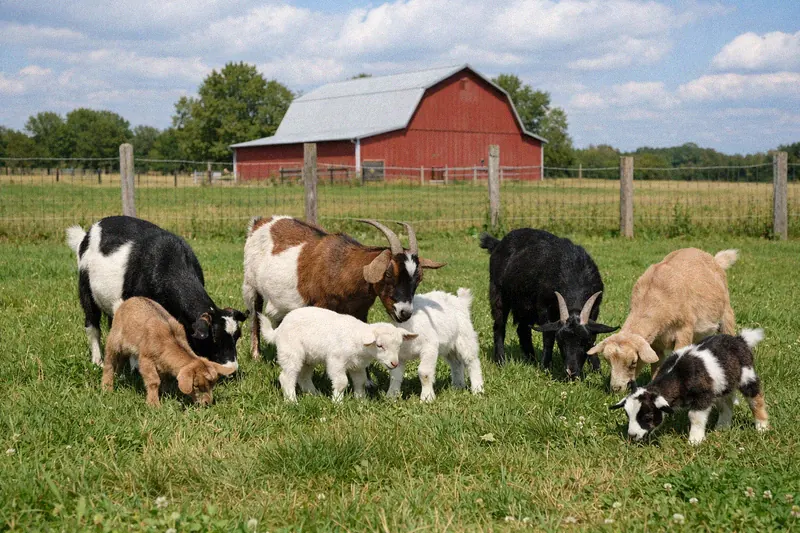
The CDT vaccine is a toxoid rather than a live vaccine. It contains chemically inactivated toxins that train the immune system to neutralize the real versions on contact, making it one of the safest vaccine types available.
The CDT toxoid works differently from C&D antitoxin, which provides immediate but temporary emergency protection rather than lasting immunity.
It’s also remarkably affordable. A 10-dose bottle typically costs $5 to $10 from companies like Colorado Serum Company, Durvet, and Boehringer Ingelheim.
No other single vaccine protects against as many rapidly fatal diseases for such a small investment. NC State Extension considers it the single non-negotiable vaccine for any goat herd.
Some producers also encounter multi-way clostridial vaccines marketed as 7-way or 8-way formulations. These cover additional Clostridium species beyond the standard three.
However, most goat veterinarians recommend sticking with the basic CDT unless your region has documented cases of the additional clostridial diseases. More antigens in a single injection means a greater adjuvant load, which can increase injection site reactions without meaningful benefit for most herds.
Proper CDT Vaccine Administration
How you give the shot matters just as much as whether you give it. Good technique goes a long way toward preventing reactions.
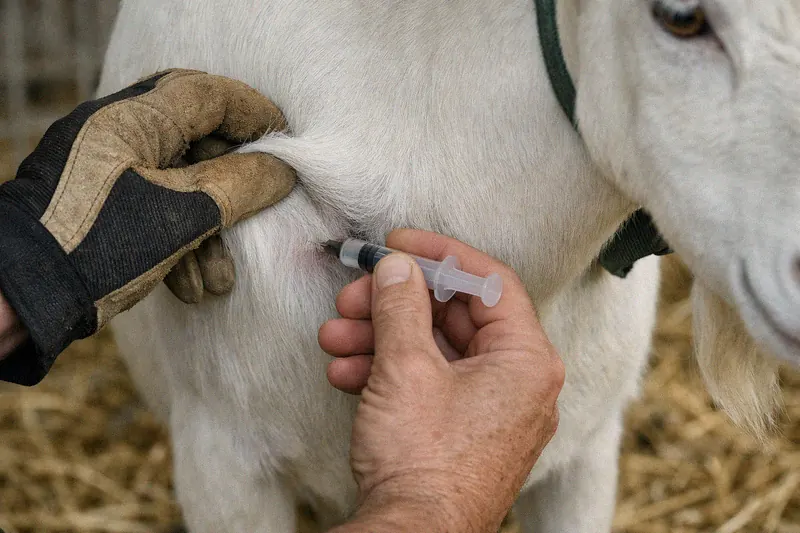
Always give CDT subcutaneously. Pinch a tent of skin in the armpit area behind the front leg or over the ribs.
Insert the needle into the space between the lifted skin and the body wall, then depress the plunger slowly and steadily.
Use an 18-gauge or 20-gauge needle, ¾ to 1 inch in length. Smaller-gauge needles cause less tissue damage and produce fewer injection site reactions.
Always switch to a fresh, sterile needle between each goat.
Shake the vaccine bottle gently before drawing each dose. CDT vaccines settle during storage, and uneven distribution of adjuvants leads to inconsistent doses that can provoke stronger localized inflammation in some animals.
Check the expiration date and record the lot number before every vaccination session. If a reaction occurs, you’ll need that lot number to report it to the manufacturer.
Expired vaccines may cause more severe injection site reactions while offering reduced or no protection.
Pull the vaccine from the refrigerator only when you’re actively ready to use it. Don’t set the bottle on a fence post in direct sunlight while you wrangle goats.
Temperature abuse degrades the toxoid and changes how the adjuvants interact with surrounding tissue.
The standard dose is 2 mL per goat regardless of body size. Kids receive the same volume as full-grown bucks.
Do not reduce the dose for smaller goats, as underdosing fails to produce adequate immunity.
Discard any vaccine that has changed color, developed visible particles, or looks unusually cloudy. When in doubt, open a fresh bottle rather than risk an adverse reaction from a compromised product.
If you’re vaccinating kids for the first time and have never observed a reaction in your herd, still assemble your emergency kit and keep it within arm’s reach. First-time vaccinations in young animals carry a slightly higher risk, and kids are small enough that anaphylaxis progresses faster due to their lower body mass.
CDT Vaccination Schedule for Goats
Getting the timing right builds solid immunity without the added risk that comes from extra doses.
Newborn kids should receive their first CDT shot between 4 and 6 weeks of age, followed by a booster 3 to 4 weeks later. This two-dose primary series is essential because the first injection primes the immune system while the second builds durable protection.
Kids born to properly vaccinated does receive passive immunity through colostrum during their first 24 hours. This maternal protection typically lasts 6 to 8 weeks, overlapping with the start of their own vaccination series.
Adult goats require an annual CDT booster. Many owners schedule this for spring, timed before kidding season and the flush of new pasture growth that spikes enterotoxemia risk.
Pregnant does should receive their booster approximately 4 weeks before their expected kidding date. This timing maximizes antibody concentration in colostrum for the newborn kids.
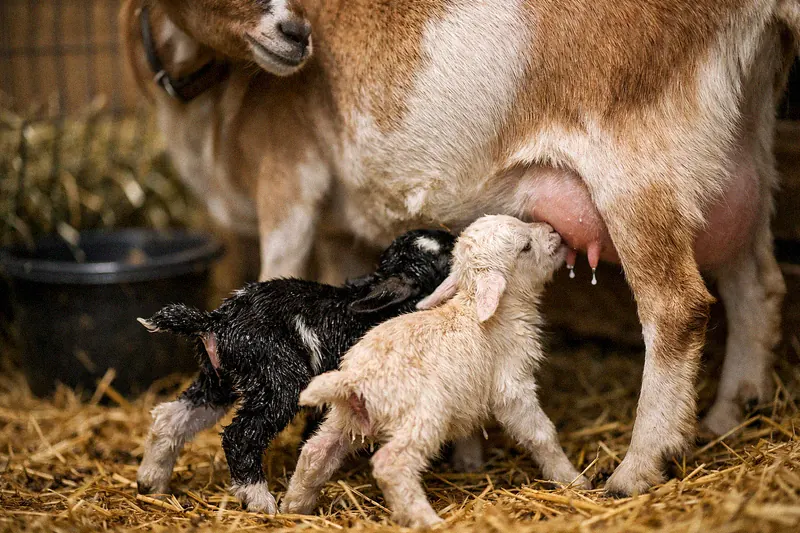
You can safely schedule deworming for pregnant does during this same management window if fecal egg counts warrant treatment.
Newly purchased goats with unknown vaccination history should be treated as completely unvaccinated. Administer the first dose on arrival, give the booster 3 to 4 weeks later, then transition to the annual schedule.
High-risk goats including show animals exposed to mixed herds, goats in areas with confirmed disease pressure, or herds with a history of enterotoxemia outbreaks may benefit from boosters every six months. Consult your veterinarian before increasing frequency.
If a kid seems sore after vaccination, some owners give baby aspirin for temporary relief though this is not universally recommended.
What to Do if a Goat Dies After Vaccination
Losing a goat after a CDT shot is devastating. How you respond matters for the safety of the rest of your herd.
Document everything immediately. Record the vaccine brand, lot number, expiration date, time of vaccination, time symptoms appeared, and time of death.
Photograph the vaccine bottle label, the lot number, and the deceased animal.
File an adverse event report with the manufacturer. Colorado Serum Company and Durvet both maintain reporting systems for this purpose.
Your report feeds into the safety tracking that protects goat owners everywhere.
Request a necropsy through your veterinarian. A post-mortem examination can confirm whether the death resulted from anaphylaxis, a pre-existing condition, or an entirely unrelated cause.
This information directly informs your decisions about vaccinating the rest of the herd.
Report the event to the USDA Center for Veterinary Biologics, the federal agency responsible for regulating animal vaccines. They investigate patterns across multiple reports and can take action on problematic vaccine lots.
One fatal reaction doesn’t mean the vaccine is dangerous for the rest of your goats. Individual hypersensitivity is almost always the cause, not a bad batch.
Your herd still needs protection against the diseases CDT prevents, which are as deadly as conditions like hoof rot and far more sudden.
Should You Still Vaccinate After a Reaction?
In most cases, yes. One bad reaction in a single goat doesn’t make CDT unsafe for your remaining animals.
Discuss the incident with your veterinarian before the next vaccination round. Some vets recommend pre-treating a reactive goat with diphenhydramine before the next dose, while others may extend the post-injection observation window.
Final Thoughts
The CDT vaccine saves far more goats than it harms. Enterotoxemia and tetanus kill quickly, offer almost no warning signs, and leave little time for treatment once symptoms appear.
The rare risk of a severe vaccine reaction is real, and respecting that risk means keeping emergency medications ready every single time you vaccinate. Preparation separates a scary five minutes from an irreversible loss.
Vaccinate on schedule, monitor your goats after every injection, and keep epinephrine within arm’s reach in your barn. That straightforward routine is the foundation of a healthy, protected herd.
Not sure on the rescue dose? Epinephrine for anaphylaxis is dosed by weight, and the goat medication dosage chart lists it.
Frequently Asked Questions
The standard epinephrine dose for goats in anaphylaxis is 1 mL per 100 pounds of body weight using the 1:1000 concentration, given intramuscularly in the thigh. You should see improvement within one to two minutes. If the goat does not respond, repeat the dose once after five minutes. Always keep epinephrine in your barn during vaccination.
You can give CDT alongside other vaccines, but using separate injection sites reduces the chance of localized reactions. Many veterinarians recommend spacing different vaccines by at least two weeks when possible, especially for goats with a history of vaccine sensitivity. Never mix vaccines in the same syringe unless the label specifically says to do so.
CDT toxoid is a preventive vaccine that teaches the immune system to produce its own antibodies over time. CDT antitoxin provides immediate but temporary protection by supplying pre-made antibodies. Toxoid is used for routine vaccination schedules, while antitoxin is an emergency treatment given when a goat is already sick or exposed. They serve completely different purposes and are not interchangeable.
Most severe reactions like anaphylaxis occur within 30 minutes of injection. However, delayed reactions such as injection site abscesses, prolonged lethargy, or localized swelling can appear 24 to 72 hours after vaccination. These delayed responses are usually mild and self-limiting. If symptoms worsen after the first 48 hours rather than improving, contact your veterinarian for evaluation.
CDT vaccine protection generally lasts about 12 months in adult goats that have completed their initial two-dose primary series. Immunity begins building approximately two weeks after the second dose. Newborn kids receive temporary passive immunity through colostrum from vaccinated does, which typically lasts six to eight weeks before their own vaccination series needs to begin.
The earliest signs of enterotoxemia include sudden depression, loss of appetite, abdominal discomfort, and watery diarrhea. The goat may grind its teeth, stand hunched with its head down, or isolate from the herd. In acute cases, symptoms progress rapidly to convulsions, staggering, and death within hours. Young kids and goats on high-grain diets are at greatest risk.