| # | Product | Our Rating | ||
|---|---|---|---|---|
| 1 | 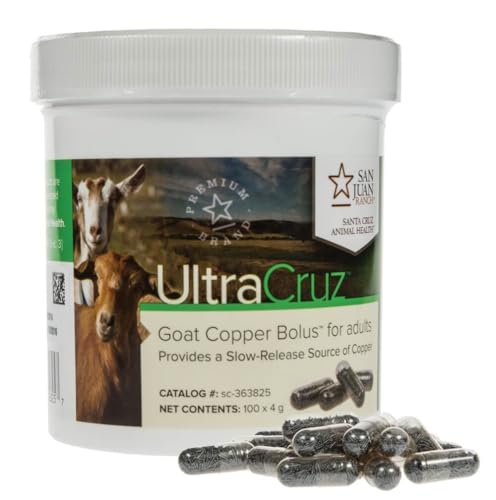 | Best OverallUltraCruz Goat Copper Bolus | ★★★★★ | Check Price |
| 2 |  | Replamin Gel Plus (300cc) | ★★★★☆ | Check Price |
| 3 |  | Loose Goat Mineral Supplement | ★★★★☆ | Check Price |
Few problems are as common, or as easy to miss, as copper deficiency in goats. The goat seems fine, eats well, and acts normal, but its coat looks faded and rough, and over time its growth, fertility, and worm resistance all quietly slip.
Goats have one of the highest copper requirements of any farm animal, and meeting it is harder than most owners realize.
This guide covers what copper deficiency is, how to recognize it, why goats are so prone to it, and exactly how to fix and prevent it without tipping over into toxicity.
Note: Coat changes have several causes, and copper supplementation can be overdone. This article is educational; confirm a deficiency and a supplementation plan with your vet, ideally backed by mineral testing of your feed or water.
What Is Copper Deficiency in Goats?
Copper is an essential trace mineral that goats need for coat pigment, healthy growth, a strong immune system, fertility, and proper nerve development in kids. When goats don’t get enough usable copper, all of those systems suffer.
Deficiency comes in two forms. Primary deficiency is simply not enough copper in the diet, while secondary deficiency is when copper is present but blocked from absorption by other minerals.
That second type is sneaky. High levels of iron, sulfur, or molybdenum, common in well water and some soils, bind up copper so the goat can’t use it, even when the feed looks adequate on paper.
Because the signs build slowly and overlap with other issues, copper deficiency often goes unrecognized until a whole herd is faded, wormy, and underperforming. That slow creep makes it one of the most overlooked problems in goat health.
Signs of Copper Deficiency
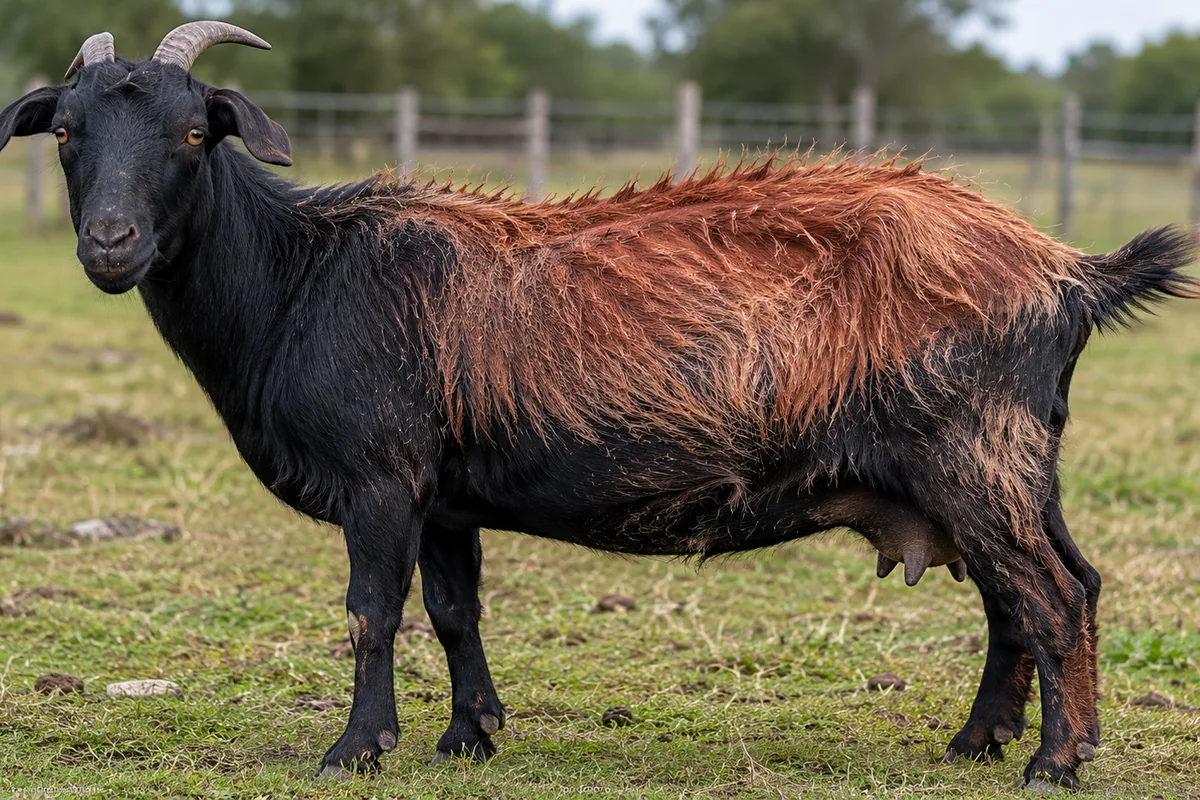
The coat tells the story first. A copper-deficient goat loses the depth and shine of its color and takes on a rusty, bleached, rough look.
The classic signs include:
- Faded, rusty coat, with black goats turning reddish-brown along the back
- Fish tail, a balding or bare tip at the end of the tail
- Hair loss around the eyes that looks like pale spectacles
- A rough, coarse, dull coat that won’t shine up no matter the season
- Poor growth and failure to thrive in kids
- Anemia and a weak immune system, with heavy parasite loads, related to the broader anemia picture in goats
- Reproductive problems: infertility, abortions, weak or stillborn kids
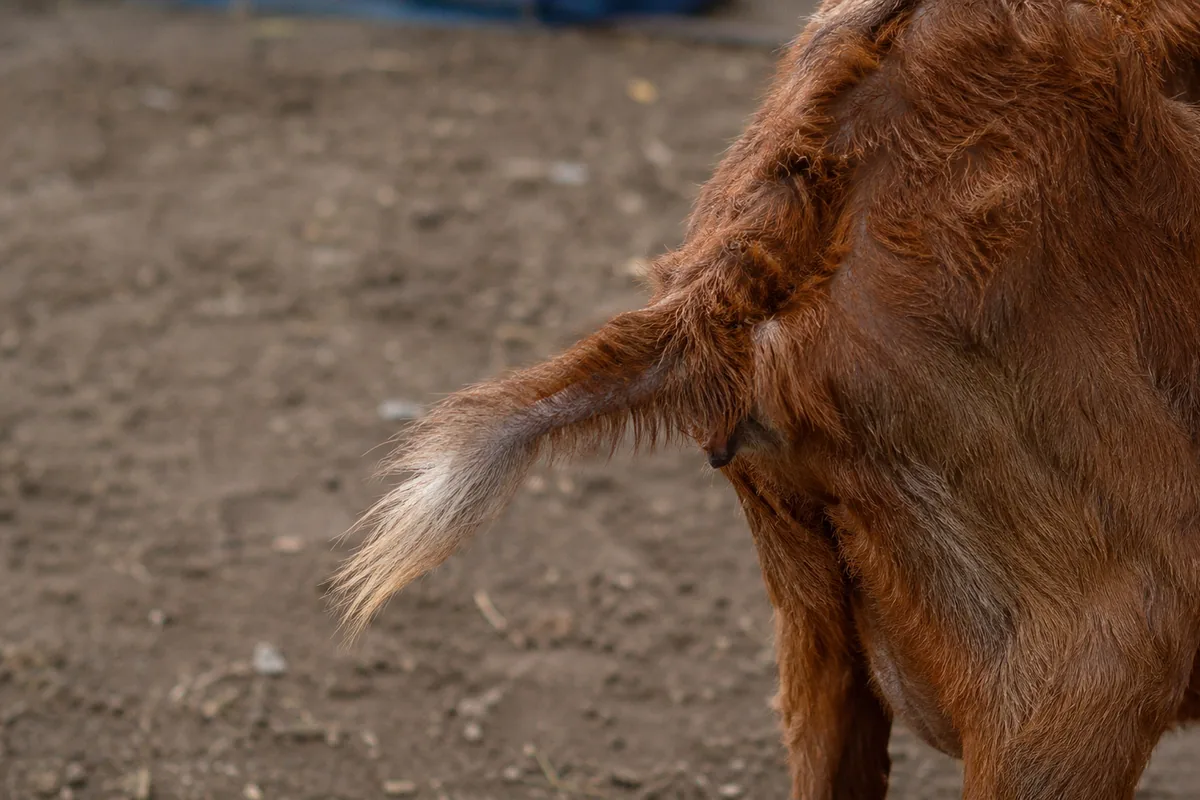
In severe cases where a pregnant doe was badly deficient, kids can be born with swayback (enzootic ataxia), a permanent nerve condition that leaves them weak and uncoordinated in the hindquarters. That extreme is a reminder that copper status matters most during pregnancy and growth.
If your goats look healthy but their coats look wrong, suspect copper before almost anything else.
Why Goats Are So Prone to It
Here is the key fact that trips up new owners: goats need much more copper than sheep, and sheep are poisoned by the amount goats require. That difference is the root of most copper problems.
Because sheep are so copper-sensitive, many general livestock and “all-stock” minerals are formulated low in copper to keep sheep safe. Feed one of those to goats, and you starve them of copper.
The single most common mistake is giving goats a sheep mineral or an all-species mineral instead of a true goat mineral. Goats need loose minerals labeled specifically for goats, with copper levels that would be unsafe for sheep.
On top of that, the antagonists in water and soil (iron, sulfur, molybdenum) lock up whatever copper is there. Goats in regions with hard, iron-rich well water are deficient even on decent minerals, which is why local conditions matter so much.
Worm-heavy goats lose even more ground, since a copper-deficient goat handles internal parasites poorly, and a wormy goat absorbs nutrients poorly, each making the other worse.
How to Treat and Correct It
Correcting copper deficiency comes down to getting usable copper into the goat and removing what blocks it.
Start with the right loose minerals. Provide free-choice, goat-specific loose minerals in a covered feeder at all times. This alone fixes mild cases and underpins everything else.
Use copper oxide wire particle (COWP) boluses for real deficiency. These are capsules of tiny copper rods that lodge in the stomach and release copper slowly over weeks. Many keepers in deficient areas bolus their goats every few months, and as a bonus, COWP also knocks back the barber pole worm.
Address the antagonists. If you have high-iron or high-sulfur water, that is often the real culprit, and no mineral will fully fix it until you account for it. Testing feed and water removes the guesswork.
Dose any copper product to the goat’s weight and your vet’s guidance; treat it with the same care you’d give anything from the goat medicine cabinet, and don’t stack multiple copper sources blindly. Coat and condition usually improve over four to eight weeks, though a faded coat may not fully recolor until the next shed.
How to Prevent Copper Deficiency
Prevention is mostly about steady access to the right minerals and knowing your local conditions:
- Feed goat-specific loose minerals free-choice, year-round, in a covered feeder goats can always reach
- Never rely on sheep or all-stock minerals, and never use mineral blocks as the only source, since goats can’t lick enough from a block
- Know your water and soil. Test for iron, sulfur, and molybdenum if your herd stays faded despite good minerals
- Bolus with COWP on a schedule that fits your area if deficiency is a known problem locally
- Pay special attention to pregnant does and growing kids, when copper demand peaks
Steady, correct minerals prevent the slow slide that catches most herds. The goats that stay glossy and thrifty are the ones whose owners got the mineral program right and left it in place.
Can Goats Get Too Much Copper?
Yes, and this is the balance to respect. Copper can build up in the liver and, in a sudden release, cause a copper toxicity crisis, though goats tolerate copper far better than sheep and toxicity is much rarer than deficiency in goats.
The risk comes from stacking sources: a high-copper mineral, plus frequent boluses, plus a copper-rich feed, without testing. The goal is enough, not maximum.
The safe path is steady goat minerals, COWP only as needed for confirmed deficiency, and veterinary input if you are supplementing heavily. In practice, far more goats suffer from too little copper than too much, but you still aim for the right amount rather than piling it on.
Sources and Further Reading
Compiled and cross-checked against established veterinary and small-ruminant references:
- Langston University, Meat Goat Production Handbook, mineral nutrition
- The Merck Veterinary Manual, Copper Deficiency in ruminants
- University of Maryland and Cornell extension resources on goat trace minerals
- Published research on copper oxide wire particles for parasite and deficiency control
Trace-mineral needs vary by region; confirm a copper program with your veterinarian and, where possible, with feed and water testing.
Frequently Asked Questions
The most recognizable sign is a faded, rough, rusty coat, with black goats turning reddish-brown and dark coats losing their shine. Other signs include a balding tail tip (fish tail), hair loss or thinning around the eyes that looks like spectacles, poor growth, anemia, a weak immune system with heavy parasite loads, and reproductive problems like infertility or weak kids. Severe in-utero deficiency can cause swayback in newborn kids. The coat is usually the first thing owners notice.
Provide free-choice loose minerals formulated specifically for goats, and for confirmed or strongly suspected deficiency, give a copper oxide wire particle (COWP) bolus, often every few months depending on your area. Address any antagonists in the water or feed (high iron, sulfur, or molybdenum block copper). Improvement in coat and condition usually shows over several weeks. Work with your vet, especially before repeated high-dose copper supplementation.
No. Sheep minerals are deliberately low in copper because sheep are easily poisoned by it, while goats need much more copper to stay healthy. Feeding goats a sheep or all-stock mineral is a common cause of copper deficiency. Always use loose minerals labeled for goats, and if you keep sheep and goats together, use separate feeders so each species gets the right product.
It looks faded, dull, rough, and rusty. A black goat takes on a reddish or bleached brown cast, especially along the back, and the coat loses its sleek shine and may look coarse or sunbleached even in animals kept out of harsh sun. Many deficient goats also show a thin or balding tail tip and hair loss around the eyes. The change is gradual, so it is easy to miss until you compare photos over time.
Indirectly, yes. Copper oxide wire particles (COWP), the same boluses used to correct deficiency, also have a direct effect against the barber pole worm in the stomach, so they do double duty in many herds. Copper-deficient goats are also more vulnerable to parasites in general, so correcting the deficiency improves their resistance. COWP is a useful tool, but it works alongside good parasite management, not instead of it.