
Goat intestine is a staple in many cuisines around the world, from Caribbean mannish water to West African pepper soup. If you’re pregnant and wondering whether it’s safe to eat, the answer is yes, as long as it’s properly cleaned and fully cooked.
The key concern during pregnancy isn’t the intestine itself. It’s making sure harmful bacteria like Toxoplasma and Listeria are killed through thorough cooking.
Can I eat goat intestine during pregnancy?
Goat intestine (also called offal or tripe) is safe to eat during pregnancy when it reaches an internal temperature of at least 165 degrees Fahrenheit. That temperature kills the harmful pathogens that pose the biggest risk to pregnant women and their developing babies.
Buy from a trusted butcher who processes animals on-site whenever possible. You can also find goat products at stores that carry goat milk, as they often stock goat meat as well.
Fresh intestines should have a mild smell and a pinkish color. Avoid anything with a strong ammonia odor or slimy texture, as these are signs the product has been sitting too long.
What’s goat intestine and what are its benefits?
Goat intestine is high in protein and zinc, both of which are important during pregnancy. It also provides iron, B vitamins, and selenium in meaningful amounts.
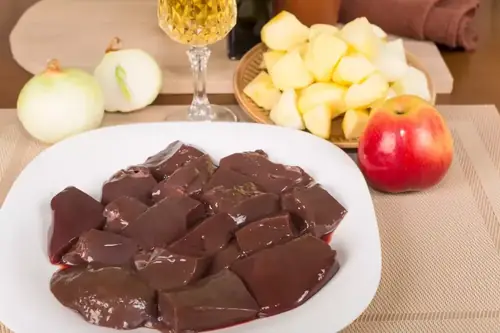
Many cultures have eaten goat offal for generations as an affordable source of dense nutrition. Goat liver is another organ meat packed with similar nutritional benefits.
It’s not a trendy superfood. It’s a practical, nutrient-rich food that’s been around for centuries.
What are the risks associated with eating goat intestines during pregnancy?
Probably the biggest risk is consuming undercooked or improperly cleaned intestine. Raw or undercooked offal can carry Toxoplasma gondii and Listeria monocytogenes, both of which can cause serious complications during pregnancy.
Pregnant women have a weaker immune response, which makes them more susceptible to foodborne illness. Goat legs are a safer cut to prepare since they’re easier to cook thoroughly than offal.
Always err on the side of overcooking rather than undercooking during pregnancy.
How to prepare goat intestine for consumption?
Start by cleaning the intestines thoroughly under running water, turning them inside out and scrubbing away any residue. Many cooks soak them in salt water or a vinegar solution for several hours to draw out impurities.
Some people also add lemon juice to the soaking water, which helps with both cleaning and tenderizing.
Boil the intestines for at least 30 minutes before using them in any recipe. This initial boiling step is the safest approach during pregnancy because it makes sure the thickest portions reach a safe temperature throughout.
Discard the boiling water afterward and start fresh for whatever recipe you’re making.
Recipes that include goat intestine
In Caribbean cooking, goat tripe goes into mannish water, a hearty soup seasoned with scotch bonnet peppers and root vegetables. Kabuli palao with goat is another traditional dish that works well with various cuts including offal.
West African and South Asian cuisines feature goat intestine in spiced stews and curries that simmer for hours. Goat soups and stews are also a traditional meal for new mothers in both regions.
Stir-frying cleaned, pre-boiled intestine with onions, peppers, and garlic is another popular method. The long pre-boil followed by a high-heat sear gives you a safe product with a crispy outside and tender inside.
Tips for pregnant women who want to eat goat intestine
Use a meat thermometer every time you cook goat intestine during pregnancy. Don’t rely on appearance alone to judge whether the intestine is fully cooked, because the outside can look done while the inside is still undercooked.
If you can’t find goat intestines at your regular grocery store, check ethnic markets. West African, Caribbean, and South Asian markets often carry fresh or frozen goat offal at reasonable prices.
While you’re there, you might also find goat cheese and other dairy products worth trying. Talk to your doctor before making major changes to your diet during pregnancy, especially if you haven’t eaten offal before.
Final Thoughts
Goat intestine is a nutritious, protein-rich food that’s safe during pregnancy when handled and cooked properly. The rules are simple: buy fresh from a trusted source, clean thoroughly, and cook to at least 165 degrees Fahrenheit.
Skip anything raw or undercooked, and don’t hesitate to check in with your healthcare provider if you have specific concerns. Millions of women around the world eat goat offal throughout pregnancy with no trouble.
Frequently Asked Questions
You can eat goat intestine during pregnancy if it's cooked properly. Cooking goat intestines kills any harmful bacteria that may be present. They can be stir-fried, baked, or boiled, and they also make a delicious addition to soup, stew, and curry dishes.
Goat intestine, also known as chitterlings, is a type of food that has gained popularity in recent years due to its numerous health benefits. Made from the stomach and intestines of a goat, this nutrient-rich food is high in protein and rich in healthy fats.
There are a number of risks that should be considered. For starters, goat intestines can be contaminated with various pathogenic organisms, including parasites, viruses, and bacteria.
The intestines need to be thoroughly cleaned and rinsed to remove any excess fat or debris.