
New moms have a lot of questions about what they should and shouldn’t eat after giving birth. Goat meat isn’t only safe for postpartum women, it’s one of the best protein sources you can choose during recovery.
Cultures around the world have been feeding goat meat to new mothers for centuries, and modern nutrition backs up what those traditions got right.
Can postpartum women eat goats?
Yes, goat meat is completely safe and very nutritious for postpartum women. It’s high in iron and protein, which are two nutrients that new mothers need most after delivery.
A 3-ounce serving of cooked goat meat has roughly 122 calories and 2.6 grams of fat. Compare that to beef at 179 calories and 7.9 grams of fat for the same serving size.
That lower fat content means less strain on a digestive system that’s still recovering from childbirth.
Nutritional benefits for new mothers
Iron is the big one. Many women are iron-deficient after delivery due to blood loss, and low iron leads to exhaustion and brain fog that makes those early weeks even harder.
Goat meat has more iron per serving than chicken, making it a strong choice for rebuilding iron stores naturally. The protein content supports tissue repair and helps your body heal from delivery.
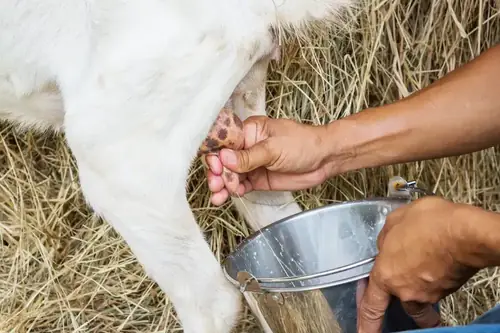
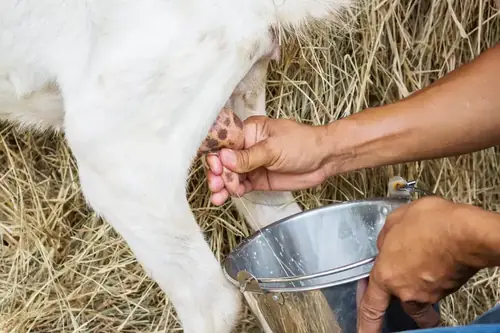
Goat milk is also worth considering for postpartum nutrition. It’s easier to digest than cow milk, higher in calcium, and many women who have trouble with cow milk find they tolerate goat milk just fine.
If you have a cow milk allergy, goat milk may be a safe alternative depending on the type of sensitivity.
Traditional postpartum goat dishes around the world
In many West African countries, new mothers are served pepper soup made with goat meat within hours of giving birth. The spicy broth is believed to help contract the uterus and stimulate milk production.
In the Caribbean, curried goat is a common postpartum meal. The turmeric in the curry has anti-inflammatory properties that may support healing after delivery.
Kabuli palao made with goat is another traditional dish that’s perfect for recovery nutrition. It works with various cuts, including offal like goat intestine.
Chinese postpartum traditions sometimes include goat bone soup cooked with goji berries and dates. South Asian cultures serve goat stews with warming spices like ginger, garlic, and black pepper.
These traditions exist because generations of mothers found real benefit in goat meat after childbirth.
Best ways to prepare goat meat postpartum
Slow cooking is the best approach for postpartum meals. A slow-cooked goat stew with root vegetables gives you protein, iron, and easy-to-digest carbohydrates all in one pot.
Avoid deep frying or heavy seasoning. Fried goat can trigger heartburn and digestive discomfort, especially if you’re breastfeeding.
Keep it simple with salt, garlic, ginger, and a little black pepper.
Goat bone broth is another excellent option, rich in collagen and minerals that support tissue repair after delivery. Sip it warm between meals or use it as a base for soups.
Goat liver is also safe to eat and provides concentrated iron that’s ideal for postpartum recovery.
If cooking feels impossible in those first weeks, ask a family member to prepare a big batch of stew that you can reheat throughout the week.
Food safety tips
Cook goat meat thoroughly to an internal temperature of at least 160 degrees Fahrenheit. Undercooked meat carries a risk of foodborne illness that’s especially dangerous for women whose immune systems are still recovering from childbirth.
Buy your goat meat from a trusted butcher or farm. Store it properly in the refrigerator or freezer, and don’t leave cooked meat sitting out for more than 2 hours.
If you raise your own goats, give fresh milk from the barn the same careful handling.
Wash your hands after handling raw meat, and use separate cutting boards for raw meat and other foods. These basics apply to all meat, not just goat.
Final Thoughts
Goat meat is an excellent food choice for postpartum women. It’s lean, high in iron, easy to digest, and backed by centuries of cultural tradition across the globe.
Slow-cook it with simple spices, make bone broth from the bones, and don’t skip the goat milk either. Your body needs quality protein and iron after delivery, and goat meat delivers both.
Frequently Asked Questions
Postpartum women can safely eat goat meat. In fact, goat meat is an excellent source of protein and iron, which are two nutrients that new moms need. Goat meat is also lower in fat and calories than other types of red meat, making it a healthier option.
Eating goat meat is a traditional remedy for postpartum women in many cultures around the world. This practice is believed to help with healing and recovery after childbirth, plus to promote vitality and energy.
The main risk is foodborne illness from undercooked meat. Cook goat meat to at least 160 degrees Fahrenheit, buy from a trusted source, and don't leave cooked meat sitting out for more than 2 hours.
Cook goat meat to at least 160 degrees Fahrenheit internal temperature. Buy from a trusted butcher or farm, store properly in the fridge or freezer, and don't leave cooked meat sitting out for more than 2 hours.