| # | Product | Our Rating | ||
|---|---|---|---|---|
| 1 | 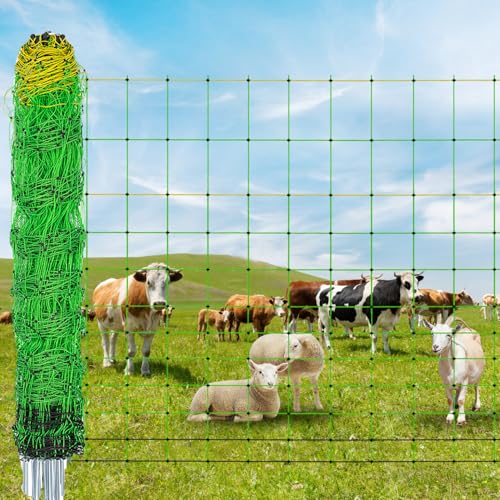 | Best OverallElectric Net Fence for Goats | ★★★★★ | Check Price |
| 2 |  | Wall-Mount Goat Hay Feeder | ★★★★☆ | Check Price |
| 3 |  | Farm Innovators Heated Water Bucket | ★★★★☆ | Check Price |
Can goats, pigs, and chickens share a barn? They can, but it takes planning.
The short answer is that shared open space works better than shared housing, and separate feeding areas aren’t optional.
Can goats pigs and chickens live in the same barn?
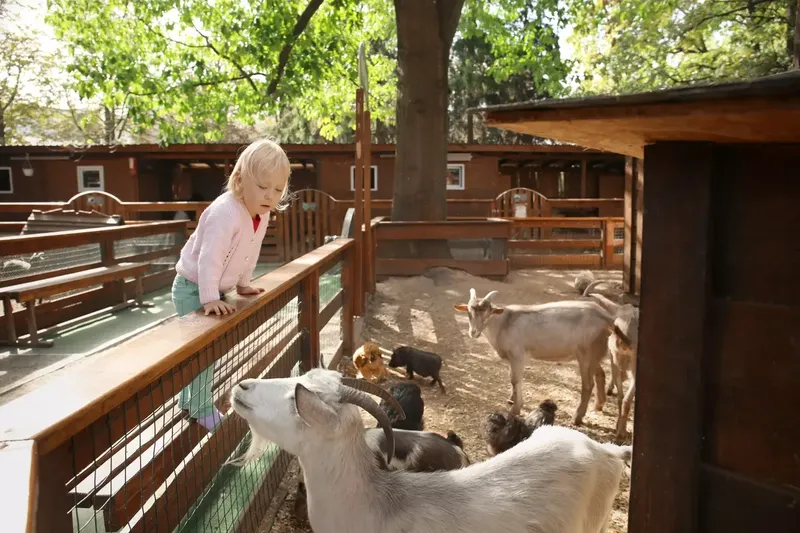
Yes, all three species can live under the same roof if each one has its own clearly defined area. The barn needs solid dividers between species, not just wire mesh, to cut down on disease transfer and territorial scuffles.
Goats need tall fencing because they climb everything. Pigs need low, sturdy barriers with a concrete or packed-earth floor since they root and dig constantly.
Chickens are the easiest to contain as long as they have roosting bars and nesting boxes.
What do you need to consider before adding different types of animals to your barn?
The number one concern is feed contamination. Goats need copper in their mineral mix, but copper is toxic to pigs and can kill them over time.
Chicken feed often contains monensin, an ionophore that’s fatal to goats even in small amounts.
You must set up feeding stations so that each species can only reach its own food. Wall-mounted hay racks for goats, ground-level troughs for pigs, and elevated feeders for chickens is the safest layout.
Lock each group into its own pen during feeding time.
The benefits of keeping, pigs, and chickens in the same barn
Sharing a barn saves space and cuts costs on a small farm, especially for owners looking to make money from goats. One building with good ventilation is cheaper to maintain than three separate structures, and you only need one water line and one electrical run.
The animals can also benefit from each other. Chickens scratch through pig and goat bedding looking for bugs and grain, which helps break down manure and keeps fly populations lower.
Goats and chickens generally get along well and ignore each other.
Are there any risks to keeping pigs, and chickens in the same barn?
Pigs are the wild card in a mixed barn. They root through bedding and destroy it within hours, which means more cleanup and more bedding costs.
They’ve also been known to eat chicken eggs and can injure or kill small birds if they catch them.
Disease transfer is a real concern with all three species in close quarters. Chickens can spread listeriosis to goats through fecal contamination, and pigs and chickens can both carry salmonella.
Keep the barn clean, vaccinations current, and water sources separate.
How to manage the different types of animals in your barn?
Give each species its own zone and stick to a consistent daily routine. Feed at the same time each day with gates closed so nobody raids another animal’s trough.
External parasites like mites can thrive in crowded conditions, so clean each section regularly and watch for any signs of illness spreading between groups.
If one species starts bullying the others, add more space or install better barriers. Pigs pushing goats around is the most common problem, and the fix is usually a sturdier divider that the pigs can’t knock over or root under.
Key Takeaways
A mixed-species barn works when each animal has its own pen, its own feeder, and enough room to stay out of the others’ way. Good bedding like pine chips keeps each section clean and dry.
The single most dangerous mistake is letting animals access each other’s feed, since copper, monensin, and protein levels vary widely between species.
Start with good solid dividers, feed each group separately behind closed gates, and keep the whole place clean. Do those three things and goats, pigs, and chickens can share a barn without major problems.
Frequently Asked Questions
Goats, pigs, and chickens can all live in the same barn as long as there's enough room for each animal to have its own space. The best way to achieve this is to build separate pens or sections within the barn for each type of animal.
The biggest concern is feed contamination. Goats need copper in their minerals, but copper is toxic to pigs. Chicken feed often contains monensin, which is fatal to goats. You must set up separate feeding stations for each species.
There's the risk of disease. Pigs and chickens can both carry diseases that can be passed to other animals.
Give each species its own zone and stick to a consistent daily routine. Feed at the same time each day with gates closed. Clean each section regularly and watch for illness spreading between groups. Install sturdy dividers if pigs start bullying goats.