| # | Product | Our Rating | ||
|---|---|---|---|---|
| 1 | 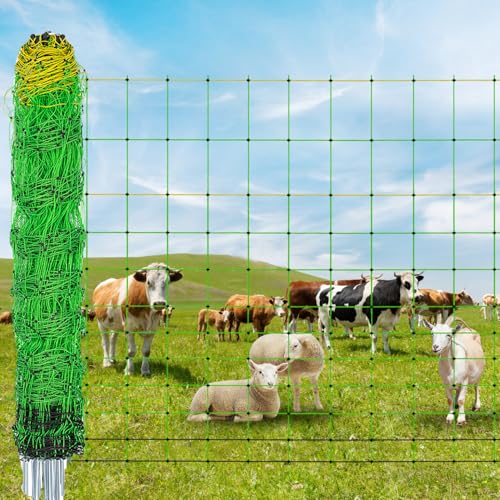 | Best OverallElectric Net Fence for Goats | ★★★★★ | Check Price |
| 2 |  | Wall-Mount Goat Hay Feeder | ★★★★☆ | Check Price |
| 3 |  | Farm Innovators Heated Water Bucket | ★★★★☆ | Check Price |
Some cities do allow goats, but you need to do your homework before bringing one home. Your municipal code is the first thing to check because zoning laws vary wildly from one city to the next.
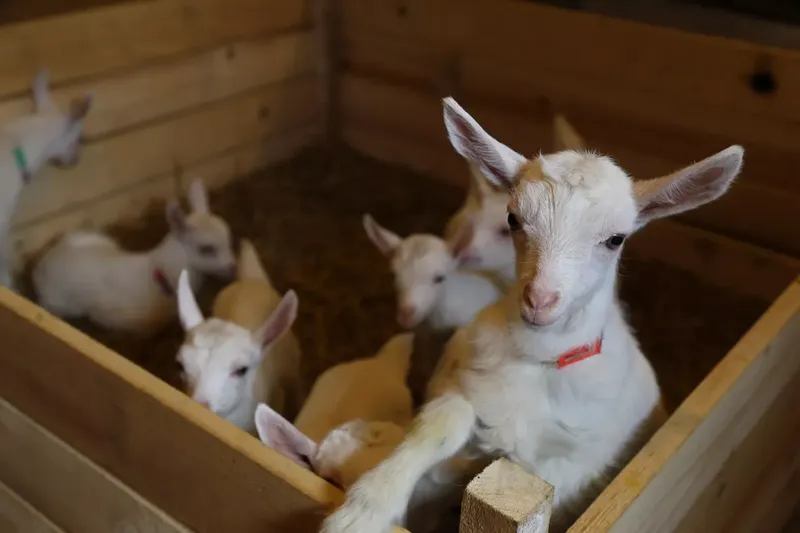
Most cities that allow urban goats restrict you to miniature breeds like Nigerian Dwarfs and Pygmies. Full-sized dairy goats and bucks are almost always prohibited within city limits.
Can goats live in an urban environment?
Yes, goats can live in urban settings, and a growing number of cities are updating their ordinances to allow them. Portland, Seattle, and several other cities now permit small numbers of miniature goats on residential lots.
You’ll typically need a permit, a minimum lot size, and setback distances from neighboring property lines. Some cities also require neighbor notification before you can bring goats onto your property.
What’s an urban environment and what are the benefits of keeping goats in one?
The main benefits are free lawn maintenance, fresh milk (from dairy breeds), and companionship. Nigerian Dwarf goats produce a surprising amount of rich milk for their size and fit comfortably in a backyard setting.
Goat manure composts beautifully and makes excellent garden fertilizer. Some urban goat owners even find ways to make money from their goats through milk sales and brush clearing.
Many find that their goats become the neighborhood’s favorite attraction, which can actually help build community.
What are the risks of keeping goats in an urban environment?
Noise is the biggest issue with urban goats. Does can be loud when they’re in heat, cycling every 21 days during breeding season, and bucks smell terrible, which is why most cities ban them entirely.
Finding a goat vet in an urban area can be surprisingly difficult since most large-animal vets are located in rural communities. You may need to drive a long distance for routine care or emergency treatment, so plan this out before you get your first goat.
Zoning enforcement is another concern because neighbors who complain can trigger inspections and fines.
What are some tips for keeping goats in an urban environment?
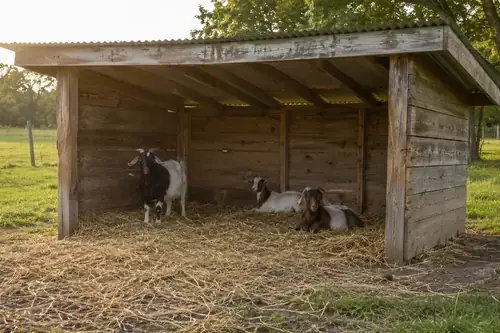
You need at least 200 square feet of outdoor space per goat, plus a weatherproof shelter with proper bedding. Goats hate rain, so a solid three-sided shelter with a dry floor is a must.
Always keep at least two goats because they’re herd animals and a single goat will be stressed and noisy. Good fencing is non-negotiable in an urban setting since goats can jump surprisingly high.
A four-foot fence with a secure gate will keep miniature breeds contained, but test it because goats are creative escape artists.
The types of food that goats can eat and thrive on in an urban environment
Goats will happily eat your weeds, rose bushes, and most ornamental shrubs. They’re browsers, not grazers, so they prefer leafy material over lawn grass.
Supplement with good quality hay and a small amount of grain daily. Make sure they have access to a goat-specific mineral block, since urban browse alone won’t provide all the minerals they need.
How to provide water for your goats in an urban environment?
Goats drink roughly two gallons of water per day and won’t touch dirty or stagnant water. A sturdy bucket or small trough that you refill daily works fine for a couple of backyard goats.
In winter, check the water twice a day to make sure it hasn’t frozen. In summer, place the water source in a shaded area so it stays cool.
Clean the bucket regularly because goats will refuse water that has debris or algae growing in it.
Final Thoughts
Urban goat keeping is doable if your city allows it and you’re prepared for the day-to-day realities. Check your zoning code first, stick with miniature breeds, and always keep at least two goats together.
Many cities that already allow backyard chickens are starting to open the door for mini goats as well. With proper space, shelter, good fencing, and a plan for veterinary care, a couple of Nigerian Dwarfs or Pygmies can thrive just fine in a backyard setting.
Frequently Asked Questions
Goats can live in an urban environment. In fact, goats are becoming increasingly popular as pets in urban areas. They're also being used more and more for landscaping in urban areas, as they're very effective at eating weeds and other unwanted plants.
The main benefits are free lawn maintenance, fresh milk from dairy breeds, and companionship. Nigerian Dwarf goats produce a surprising amount of rich milk and fit comfortably in a backyard. Goat manure also makes excellent garden fertilizer.
One of the main risks of keeping goats in an urban environment is the risk of escape. Goats are curious animals, and they're often able to find ways out of even the most secure enclosures.
You need at least 200 square feet of outdoor space per goat plus a weatherproof shelter. Always keep at least two goats since they're herd animals. Good fencing is non-negotiable, and you'll need to find a livestock vet.