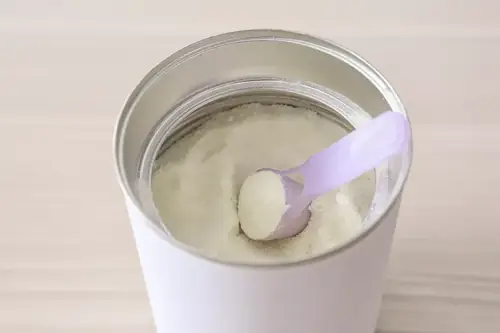

| # | Product | Our Rating | ||
|---|---|---|---|---|
| 1 |  | Best OverallProbios Probiotic Oral Gel for Goats | ★★★★★ | Check Price |
| 2 |  | Manna Pro Goat Electrolyte Powder | ★★★★☆ | Check Price |
| 3 |  | Nutri-Drench Goat & Sheep Supplement (8 oz) | ★★★★☆ | Check Price |
A baby goat can go from bright and bouncy to dangerously weak in a matter of hours. Their small bodies hold very little fluid reserve, so a single bout of diarrhea or a hot afternoon can tip a kid into dehydration fast.
That’s exactly where electrolytes earn their reputation as a barn essential. Used right, they buy you time, replace lost minerals, and often turn a crisis around before it becomes a loss.
Are Electrolytes Safe for Newborn and Baby Goats?
The short answer is yes, with a few caveats.
Electrolytes are safe for kids of nearly any age, as long as you’re using them for the right reasons. They’re built to replace the fluids and minerals a sick or stressed body can’t hold onto.
The real catch isn’t safety, it’s overuse. Electrolytes are a recovery tool rather than a daily supplement, and leaning on them too long can dull a kid’s drive to nurse.
With a newborn, timing matters most. Colostrum and warmth come first, because a chilled gut can’t absorb anything you pour into it.
Once a kid is warm and has had its colostrum, electrolytes become a valuable backup any time fluid loss outpaces what milk alone can replace.
What Electrolytes Do for a Struggling Kid
In plain terms, electrolytes are minerals that keep a kid’s fluids and energy in balance when illness drains them.
Electrolytes aren’t just salty water. A good formula replaces the specific minerals a kid burns through during scours, vomiting, or heat.
At the core you’ll find sodium, potassium, and chloride, the minerals that control how water moves in and out of cells. They’re also the ones that drain away fastest during diarrhea.
Most quality mixes also include glucose or dextrose, a simple sugar that helps the gut pull water and sodium back into the body. Many add sodium bicarbonate too, to counter the acidosis that often tags along with severe scours.
Some commercial blends fold in probiotics or an amino acid like glycine, which speeds how quickly the gut co-absorbs sodium and water. That mix of salts, sugar, and a buffer is the same backbone vets rely on in oral rehydration therapy for scouring newborns.
Together they do something plain water simply can’t, pulling fluid back into the body and rehydrating a dehydrated kid at the cellular level.
Signs Your Baby Goat Needs Electrolytes
Reach for electrolytes any time a kid loses fluids faster than milk can replace, usually from scours, heat, or sickness.
The most common trigger is scours, the catch-all term for goat diarrhea. In a small kid, that loose, watery stool drains fluid and minerals at an alarming rate.
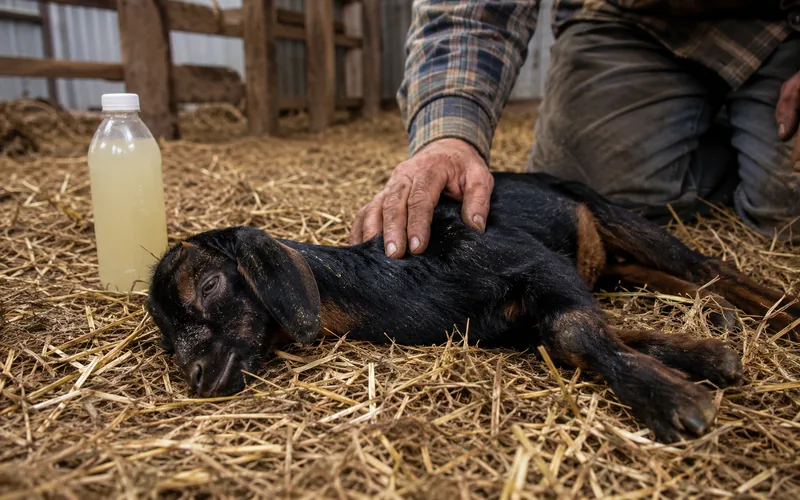
Heat stress is the next big one. A kid panting through a sweltering afternoon loses fluids fast and benefits from a mineral boost.
Watch for sudden weakness, or a wobbly, listless kid that’s gone off nursing. A kid that feels cool, looks hollow in the flanks, or sleeps far more than usual is sliding toward dehydration.
Transport, weaning stress, and the tail end of any illness can call for support too. If a kid is running a fever along with the fluid loss, electrolytes pair well with a vet-approved dose of baby aspirin for the temperature.
Store-Bought vs. Homemade Electrolytes
Both work, and honestly the right pick often comes down to what you can grab at 2 a.m. Here’s how the trade-offs stack up.
| Factor | Commercial Powder | Homemade Mix |
|---|---|---|
| Mineral balance | Precisely formulated for livestock | Approximate, good for emergencies |
| Added benefits | Often includes glucose, bicarbonate, probiotics | Basic energy and salts only |
| Cost | Higher per dose | Pennies per batch |
| Shelf life | Long, stores dry | Mix fresh each time |
| Best for | Repeated or serious scours | One-off emergencies when supplies are out |
Goat-specific products from brands like Manna Pro, Purina, and Sav-A-Caf are the gold standard when you’re treating repeated scours. A homemade batch is a perfectly good bridge when the farm store’s closed and a kid needs fluids now.
A Homemade Electrolyte Recipe for Kids
This pantry recipe has carried plenty of kids through until proper supplies showed up. It balances salt, a buffer, and a little energy in roughly the proportions a kid needs.
- 1 quart warm water, around body temperature
- 1/2 teaspoon salt
- 1/2 teaspoon baking soda
- 2 tablespoons honey or molasses
Stir until everything dissolves, then serve it warm, never cold. Cold fluid stresses an already fragile system and slows absorption.
Mix a fresh batch each feeding and toss whatever’s left over. Sugary solutions spoil fast and can grow bacteria sitting out in a warm barn.
How Much to Give and How Often
A solid daily target is 5 to 10 percent of the kid’s body weight in total fluids. A 6-pound kid, for instance, needs only a few ounces spread across the day.
Split that total into small servings of about 2 to 4 ounces every two to four hours. Frequent small amounts absorb far better than one big drench that floods the gut.
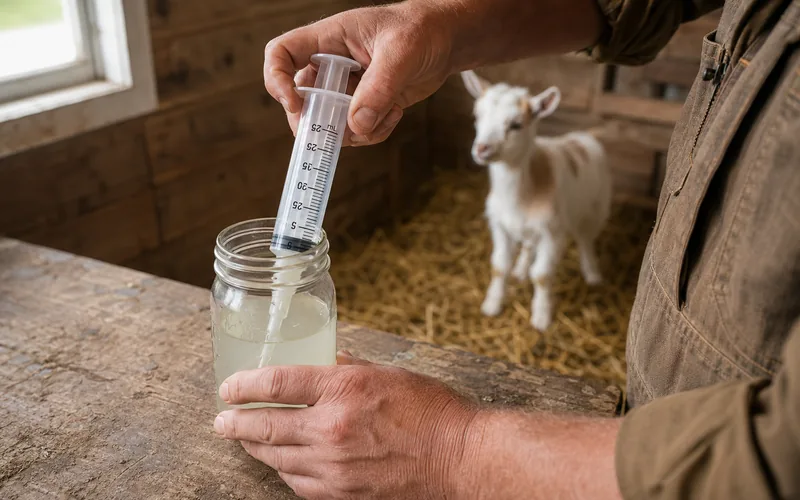
Space the electrolytes between the kid’s normal milk feedings. A rhythm that works well is milk first, then electrolytes a couple of hours later, alternating through the day.
Keep it up until the kid is hydrated, alert, and nursing well again. For one too weak to suck, feeding fluids slowly with a syringe keeps it going without the choking risk of fast drenching.
The Right Way to Feed Electrolytes
Never mix electrolytes straight into milk. Milk needs to clot in the abomasum to digest properly, and the salts in electrolytes interfere with that, which can actually make scours worse.
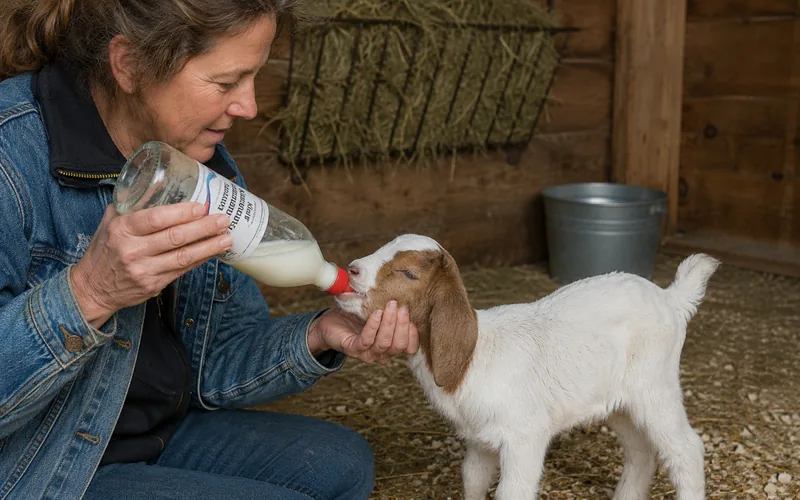
A bottle with a soft nipple is ideal for a kid still strong enough to suck. Hold it at the same angle you’d use for a milk feeding and let the kid set the pace.
If a kid won’t suck, switch to a syringe aimed at the side of the mouth. Give small squirts and pause between each one so the kid can swallow safely.
A truly limp kid that can’t hold its head up shouldn’t be drenched at all. At that point you risk fluid going into the lungs, and the situation needs hands-on help fast.
Wash your hands with soap after each feeding, since scouring kids shed germs that can make people sick.
How to Check a Baby Goat for Dehydration
The skin tent test is the quickest read you’ve got. Gently pinch a fold of skin on the neck or shoulder, then let go.
In a hydrated kid, the skin snaps right back. If it stays tented for two seconds or more, that kid is already significantly dehydrated and needs fluids right away.
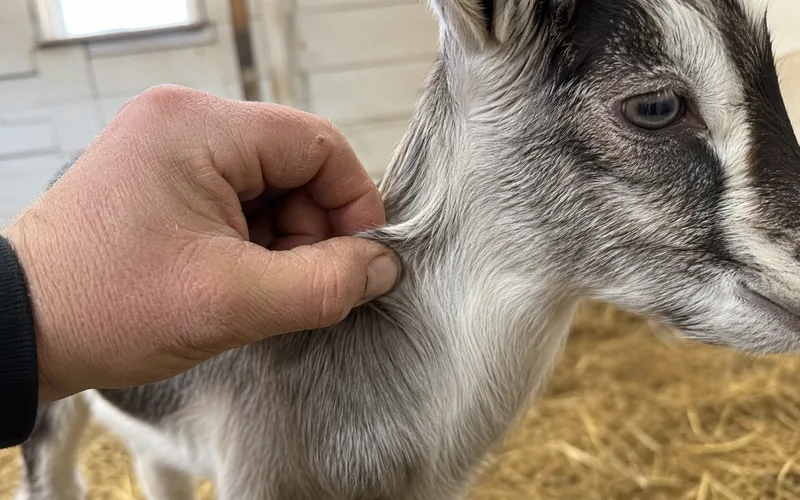
Back that up with a few other checks. Tacky or dry gums, sunken eyes, cool legs and ears, and dark urine all point to fluid loss.
Don’t wait for the obvious signs to show up. By the time the eyes look sunken, a kid is well behind on fluids and needs aggressive support.
How Long Should a Kid Stay on Electrolytes?
Electrolytes are a short-term aid, not a feeding program. Most kids only need them for a day or two while the underlying problem clears up.
The aim is to taper off as soon as the kid is rehydrated and stool looks normal again. Dragging electrolytes out for many days can blunt the appetite for milk and tip mineral balance the other way.
If a kid still needs heavy fluid support after 48 hours, the real problem hasn’t been solved. Persistent scours often trace back to coccidiosis, the leading cause of diarrhea in kids over four weeks old, along with a milk replacer issue or an infection that needs targeted treatment.
For sick kids that have dropped both weight and condition, pairing fluids with powdered goat milk made for recovering kids helps rebuild calories alongside hydration.
When Electrolytes Aren’t Enough
Once a kid stops responding to oral fluids, it’s time to call a vet.
Electrolytes buy time, but they don’t cure whatever’s causing the fluid loss. Some situations need a veterinarian no matter how diligent your home care is.
Call your vet if a kid can’t stand, refuses all fluids, or looks sunken-eyed and ice-cold. Those are signs that oral fluids alone won’t keep up, and the kid may need subcutaneous or IV fluids.
Keep a close eye on the stool, too. Bloody diarrhea, a foul or unusual smell, or scours that drags past two days all warrant a professional look.
Severe bloating on top of the fluid loss is another red flag, since a badly bloated goat is facing a separate and urgent emergency. When in doubt with a baby goat, err on the side of calling early.
Final Thoughts
So, can baby goats have electrolytes? Absolutely, and knowing how to use them is one of the most valuable skills a goat owner can pick up.
They restore the fluids and minerals that scours, heat, and illness strip away faster than milk alone can replace.
Reach for a goat-specific product when you can, lean on a simple homemade mix in a pinch, and always keep electrolytes separate from milk feedings. Give small, frequent amounts, keep an eye on the skin tent test, and know the red flags that mean it’s time to stop guessing and call the vet.
Frequently Asked Questions
Pedialyte works as a short-term emergency stand-in when you have no livestock electrolytes on hand. Its mineral balance is built for human infants rather than ruminants, so switch to a goat-specific product as soon as you can get one.
Aim for roughly 5 to 10 percent of the kid's body weight in fluids per day, split into several small servings. A 6-pound kid needs only a few ounces per feeding, given between milk meals rather than all at once.
Yes, but colostrum and warmth come first. A chilled or weak newborn needs its body temperature raised before oral fluids, since a cold gut cannot process anything you give it.
Yes. Overusing electrolytes for many days can throw off mineral balance and suppress appetite for milk, so taper off once the kid is hydrated, eating, and producing normal stool.